


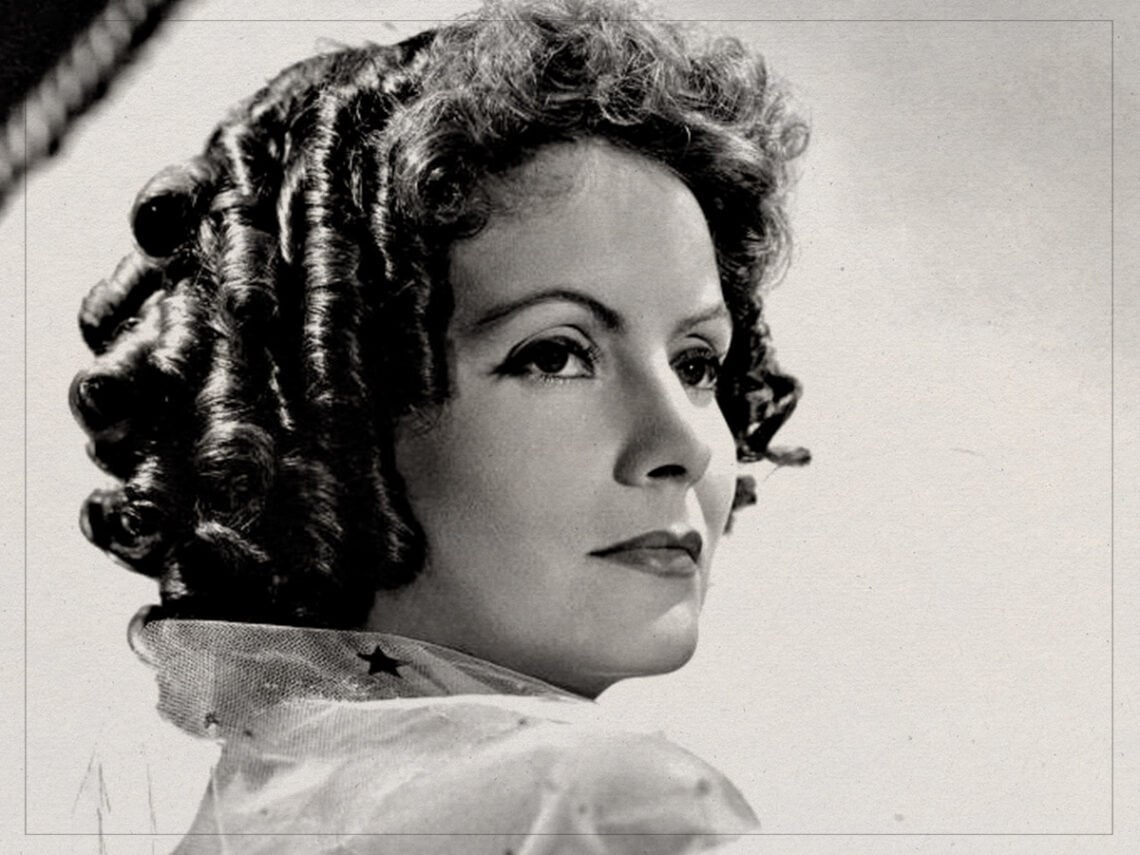
“I was so stupid not to partake more”: the movie that almost brought Greta Garbo back from Hollywood exile

When Greta Garbo was just 36, she made her final on-screen performance, and considering that she was such a Hollywood icon, you’d assume she’d acted for much more of her life, but she spent the remaining decades in retirement before passing away at the age of 84 in 1990.
She’s not the only star whose career was surprisingly short – Grace Kelly gave up acting when she was only 26, for example – but clearly, if you have the talent and the power to endure, then you will. Garbo was one of Old Hollywood’s most classic figures, and she didn’t need a resumé spanning decades and decades to prove that.
Her career began in the early 1920s, but when sound cinema emerged a few years later, she transitioned to it well, and her first two speaking films, Anna Christie and Romance, both saw her nominated for Academy Awards. Garbo then went on to defy gender norms with the 1933 film Queen Christina, kissing a woman and dressing as a man at a time when female stars were expected to be ingenues or femme fatales – not sexually transgressive.
The actor just didn’t care for adhering to social norms, though, because what’s the point in that? The problem was that Garbo’s films repeatedly ran into trouble with censors, especially when she moved to America and faced the wrath of the Hays Code, a strict book of rules which enforced the censorship of anything remotely uncouth or the slightest bit taboo. Even kissing was limited to fairly infantile pecks – a lusty snog was completely off the table.
Her 1929 film The Single Standard was censored because it showed Garbo’s character engaging in supposedly immoral behaviour like premarital sex, while Susan Lenox (Her Fall and Rise) was banned in the United Kingdom due to the controversy of the novel it was based on. Mata Hari, released in 1931, might have been a hit, but it received plenty of attention from censors, what with the film’s depiction of Garbo in a sheer outfit, fairly erotic dancing alongside a statue of Shiva, and strong implications of sex. To this day, only a censored version of the film is in circulation.
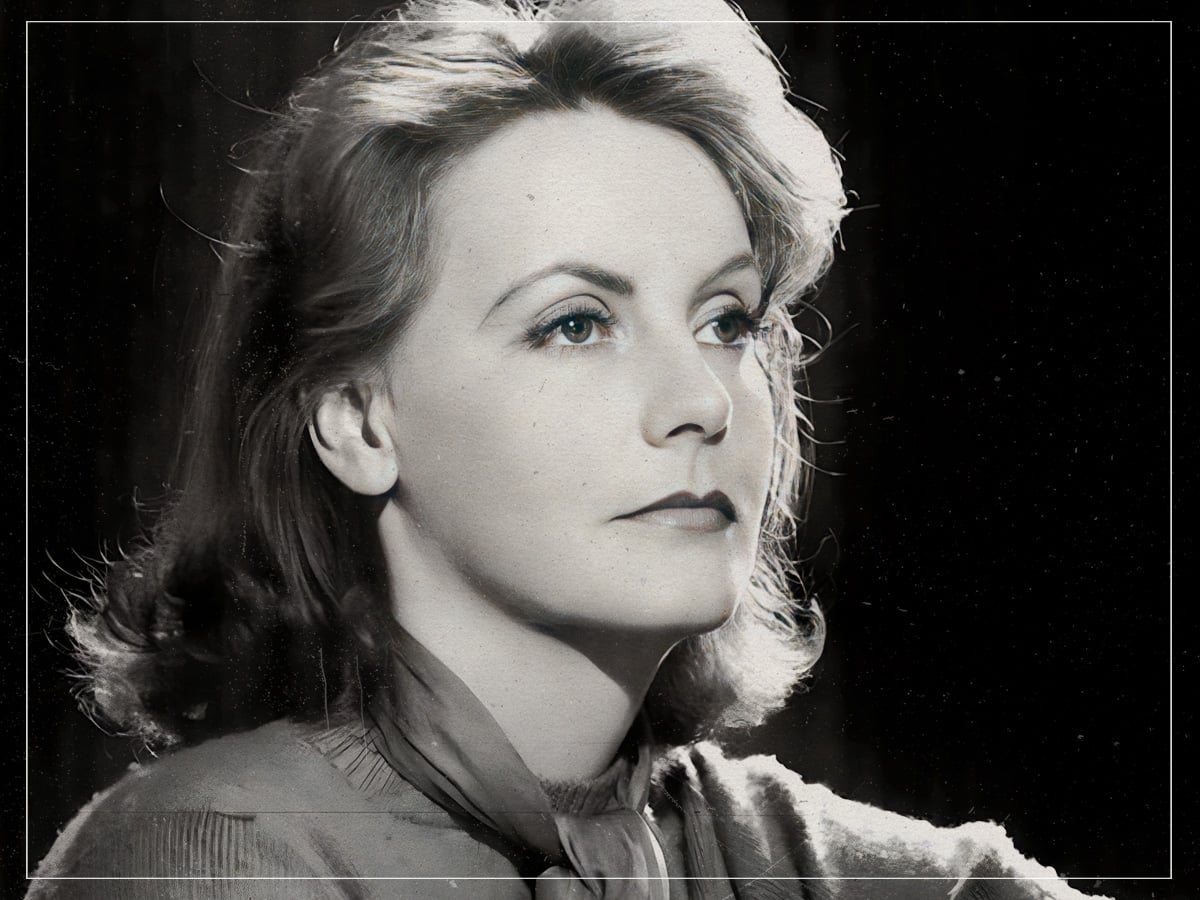
Then there was her final film, 1941’s Two-Faced Woman, which was decried as being immoral, leading the movie to be banned in various places before receiving heavy edits and even some reshot scenes. Garbo was sick of having so many of her projects censored and criticised for immorality, because what good is art if it doesn’t provoke or challenge ideas?
It’s her great-nephew, Scott Reisfield, who believes that all of this censorship was why she ended up retiring from Hollywood so early in her life. “It’s the reason she didn’t make films after 1941,” he said.

But there were several moments when she considered coming back, the main one being an offer to star in an adaptation of La Duchesse de Langelais by Balzac – agreeing to do the movie with producer Walter Wanger in 1948, alongside James Mason as her co-star, Garbo actually did various screen tests, but in the end, financing fell through, and the project never went ahead.
This could’ve been the key to Garbo’s second act as a star, a renewed period of excitement for her career, but clearly it wasn’t meant to be. The actor turned down the chance to play a former film star in Sunset Boulevard the following year, officially throwing in the towel.
Garbo reportedly cursed herself for not starring in more films after she’d entered this period of exile from Hollywood, reportedly telling Cecil Beaton, “What a way to spend the best years of my life. Always alone. I was so stupid not to partake more. Now I’m just a gypsy living a life apart.”
But censorship was just too much to bear, as was the incessant paparazzi and attention from fans – including stalkers – which led her to eventually retreat into a life of relative secrecy. Gone were the days of her being the ultimate screen icon, something she left firmly in the past.
