


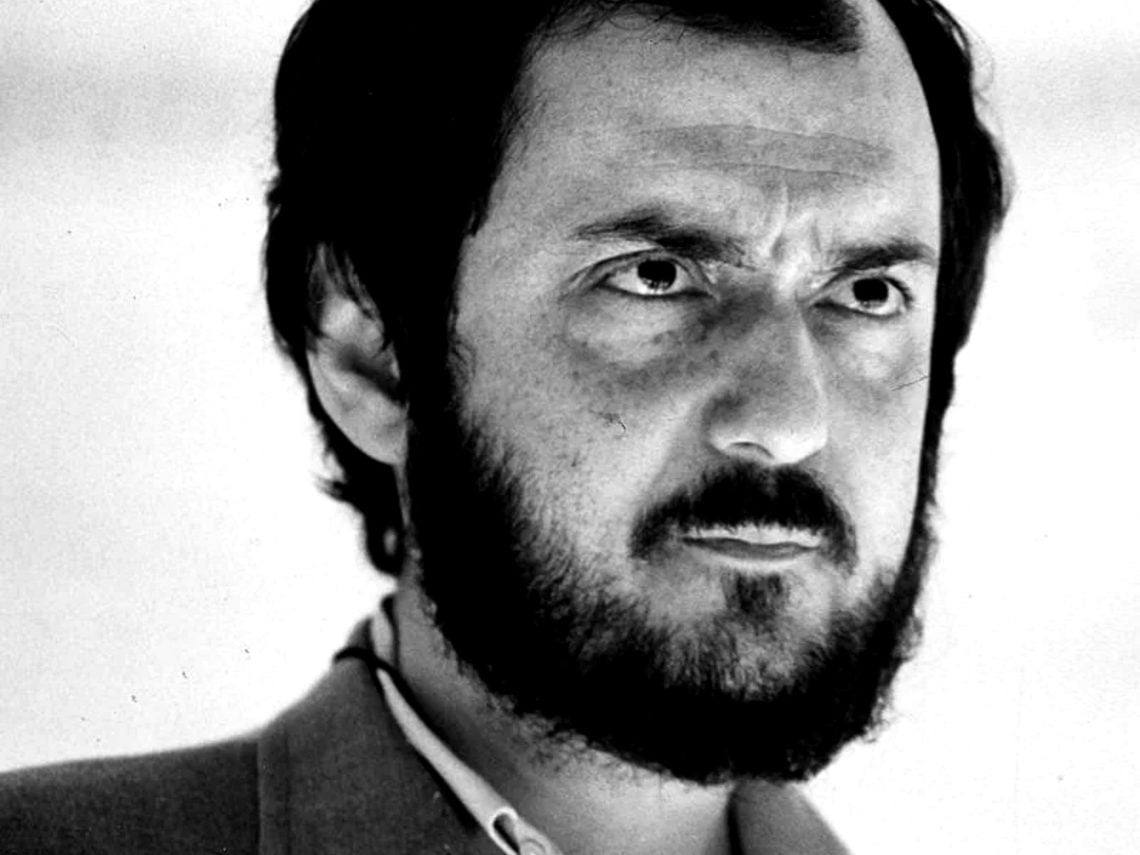
The movie Stanley Kubrick considered his “greatest contribution to the art of filmmaking”

The films of Stanley Kubrick are often considered some of the greatest moments in cinematic history. The director’s excellence as an artist is undoubted, and one can reel off masterpiece after masterpiece when it comes to Kubrick with great ease: 2001: A Space Odyssey, A Clockwork Orange, The Shining, Full Metal Jacket. Such is the quality of the American filmmaker’s catalogue.
But how about the film that Kubrick himself considered his finest? During an interview with Sight & Sound, the German film producer Jan Harlan, who was also Kubrick’s brother-in-law and confidant, revealed Kubrick’s favourite movie of his own making, although the director did not get much time to reflect on its cultural impact nor critical appreciation.
“I am very happy to know that he considered Eyes Wide Shut his greatest contribution to the art of filmmaking – and I think he is the only judge that matters,” Harlan said. It’s fair to say that Harlan would know the opinion of Kubrick, having served as his right-hand man and executive producer on many of his films.
Eyes Wide Shut is Kubrick’s erotic psychological drama starring Tom Cruise as Dr. Bill Harford and Nicole Kidman as his wife, Alice. The film is based on Arthur Schnitzler’s 1926 novella Dream Story and tells of Harford’s discovery of a secret society that partakes in rituals of a sexual nature.
The film arrived in 1999, but Kubrick himself died just six days after showing the final cut to Warner Bros executives. Eyes Wide Shut is considered one of Kubrick’s masterworks that explores the inner workings of sexual relationships with true intensity. It was also a commercial success, taking $162million at the box office worldwide, making Kubrick’s final cinematic offering his highest-grossing.
However, Harlan believes that Eyes Wide Shut has not yet received the critical appreciation it deserves. “You know so well how easy it is to make a film,” he explained. “To make a good film is a different matter, and a good film that enough people want to see is rather difficult.”
“A great film is almost a miracle – like any great work of art, great painting, novel, symphony or building,” Harlan continued. “And I dare to define greatness by the test of whether the work lasts and serves as a reference for future generations in order to have a look at our time. I believe Eyes Wide Shut will be truly discovered in 50 years.”
