


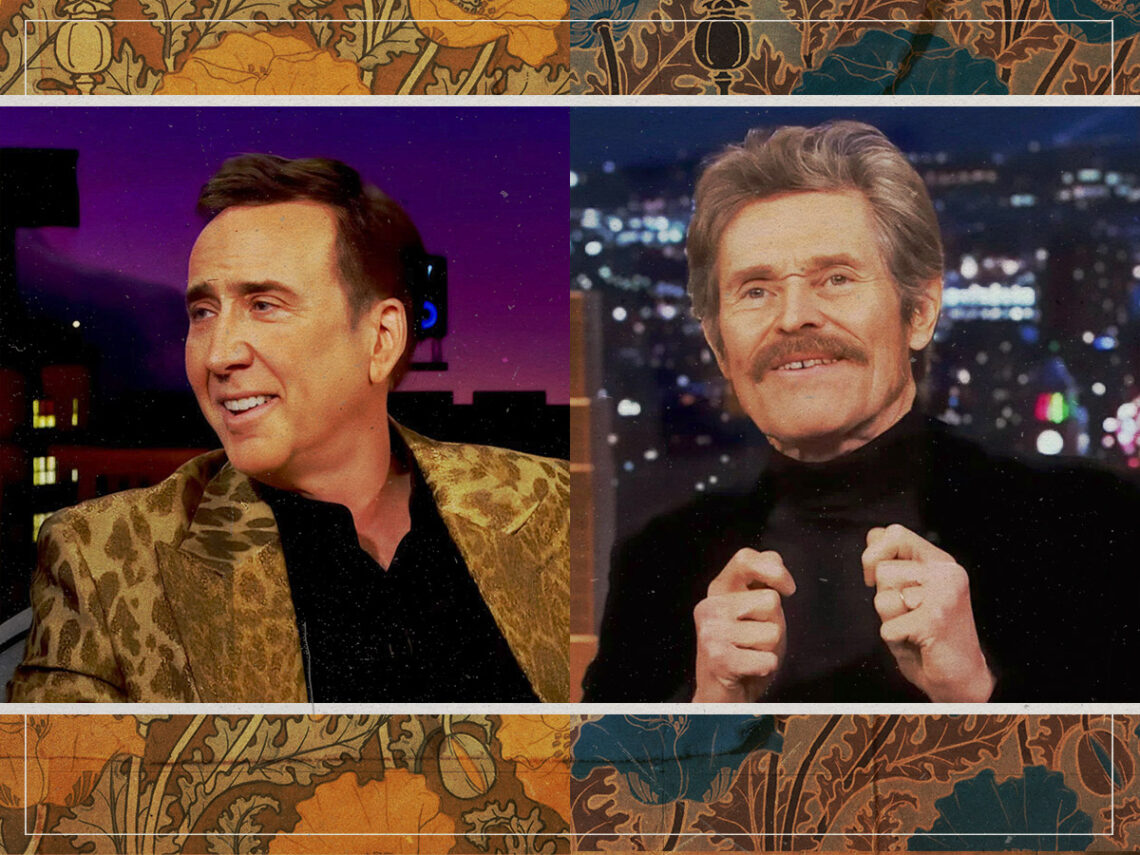
The movie Nicolas Cage paid Willem Dafoe $100,000 to make

After the unprecedented success of Taxi Driver and Raging Bull, Paul Schrader later turned his hand to directing, with an eclectic slate of work that twists and turns with surprising ease as he moves from genre to genre. Known for his gritty cynicism and often bleak story worlds, Schrader became known for giving a voice to anti-heroes, with characters who appear extreme in their worldview and are often isolated as a result of this.
However, given the praise that he’s received for films like First Reformed and Mishima: A Life in Four Chapters, the steely reception towards his 2016 film Dog Eat Dog from both himself and the critics has made it one of the less celebrated pieces of work within his filmography, with perhaps doomed after the financial problems encountered during pre-production.
The film follows three men who are all adapting to the real world after being released from prison, starring Nicolas Cage, Willem Dafoe and Christopher Matthew Cook. Schrader intended for the film to be a ‘redemption project’ after a negative experience on the production of Dying of the Light, an earlier film he had made with Cage in which there was friction during the edit and the financiers eventually took over the project entirely.
When reading the script for Dog Eat Dog, Schrader wanted another chance to work with Cage after their previous project had been hijacked, and he thought he’d be perfect for the role of Mad Dog. However, Cage saw himself within the character of Troy and so Schrader approached Willem Dafoe for the part. The pair had previously worked together on Light Sleeper, and after reading the script, Dafoe liked the part of Mad Dog and also signed along the dotted line.
However, the movie had a very small budget, and Schrader didn’t have enough money to pay substantial fees to both Dafoe and Cage. At the time, Cage had a higher fee, and his name was expected to bring in a large audience, with Schrader saying, “The good thing about working with Nick is that he gets your film financed… the bad thing is that he eats your budget alive”. However, to get around this slight hitch, Schrader proposed to Cage that he cut his fee and pay $100,000 to Dafoe in order to keep him on the project.
Schrader explained: “Willem’s ego was hurt by the distance between them [Cage and Dafoe] and the only thing that would fix that was if the money actually came from Cage himself. And I was able to say, Nick’s going to give you a hundred grand more out of his salary. Then he says: OK, that will do it.”
But despite how unconventional this tactic was, it worked, and they were able to make the film and somewhat rectify the experience they longed to have on Dying of the Light. The haphazard and unusual production process is perhaps what contributed to the absurdist tone of the film, with an unpredictable storyline that leaves you spinning, one minute watching Cage and Dafoe squirt ketchup on each other in their underwear and then watching them rant about pop music in a strip club. However, its existence in Schrader’s filmography speaks to his own passion and perseverance, setting out to make the thing and bravely throw Cage under the bus to do so. Despite the financial setback, Cage seems to be doing quite well.
