


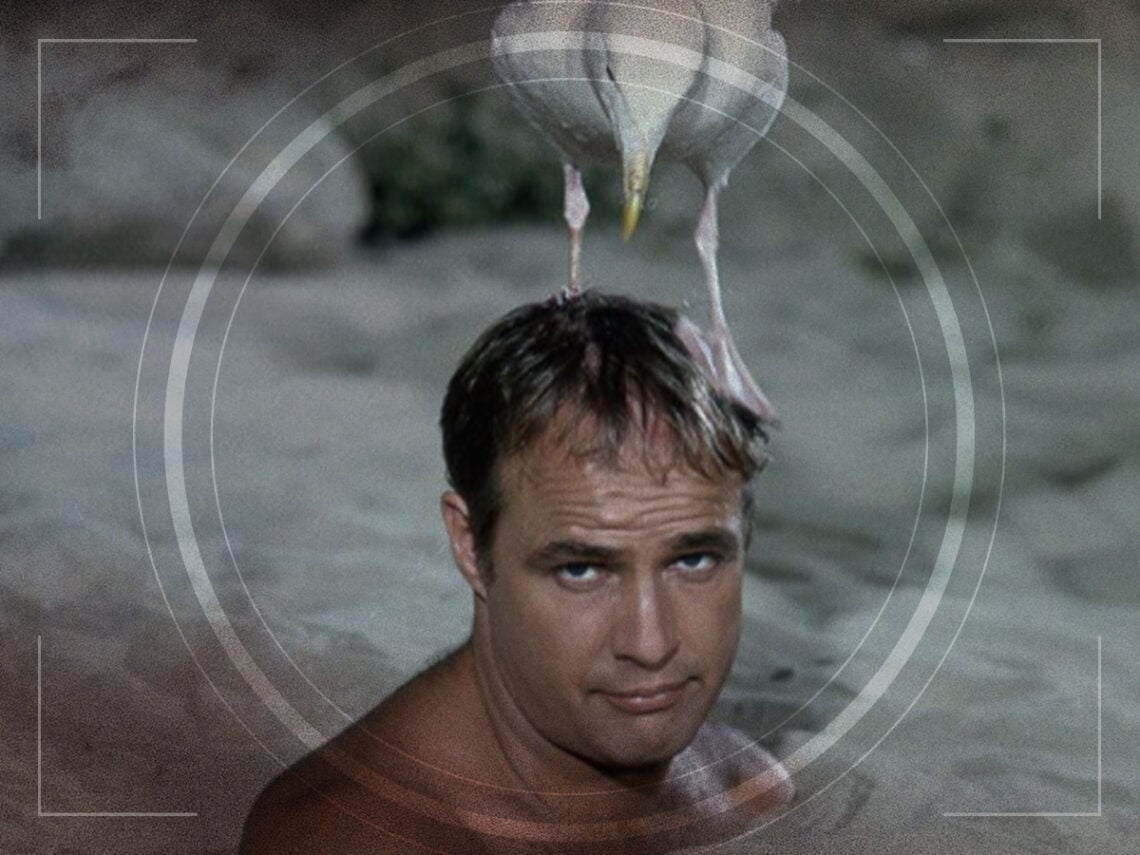
The movie Marlon Brando desperately tried to ruin: “I had some of the best times of my life”

Being one of the finest actors in the industry does come with its own set of privileges, but Marlon Brando – not for the first or last time, either – took things too far on a production that was already in real danger of spiralling out of control.
It can’t be argued that Brando changed the face of acting forever when his naturalistic, method-driven approach marked him out as a once-in-a-lifetime talent, and the techniques he brought to the forefront of cinema weren’t just adopted by a multitude of names who became all-time greats in their own right, but they’re still prevalent today.
Of course, the longer his career went on, the more Brando became known for causing trouble when the cameras weren’t rolling than what he was able to bring to a performance when they were. Still, despite his best efforts to repeatedly grind shooting to a standstill, 1962’s Mutiny on the Bounty ended up securing a ‘Best Picture’ nomination from the Academy Awards.
The Third Man‘s Carol Reed was supposed to be the director, and while that was the case for three months of production, a series of health issues and overruns saw him fired and replaced by Lewis Milestone.
Reed’s wife wrote: “Poor Carol is going through such agony here (mental this time) with this film. They put tremendous pressure on him to start shooting – much against his will – before the script was anything like completed (because the company was committed with contracts), and now, after three months shooting, the last quarter of the film is still not written, nor is the beginning. All the top people – the heads of the studio, the producer, the New York office – are quarrelling among themselves and in a panic from their own inefficiency – and now they are all starting to blame Carol for being slow!”
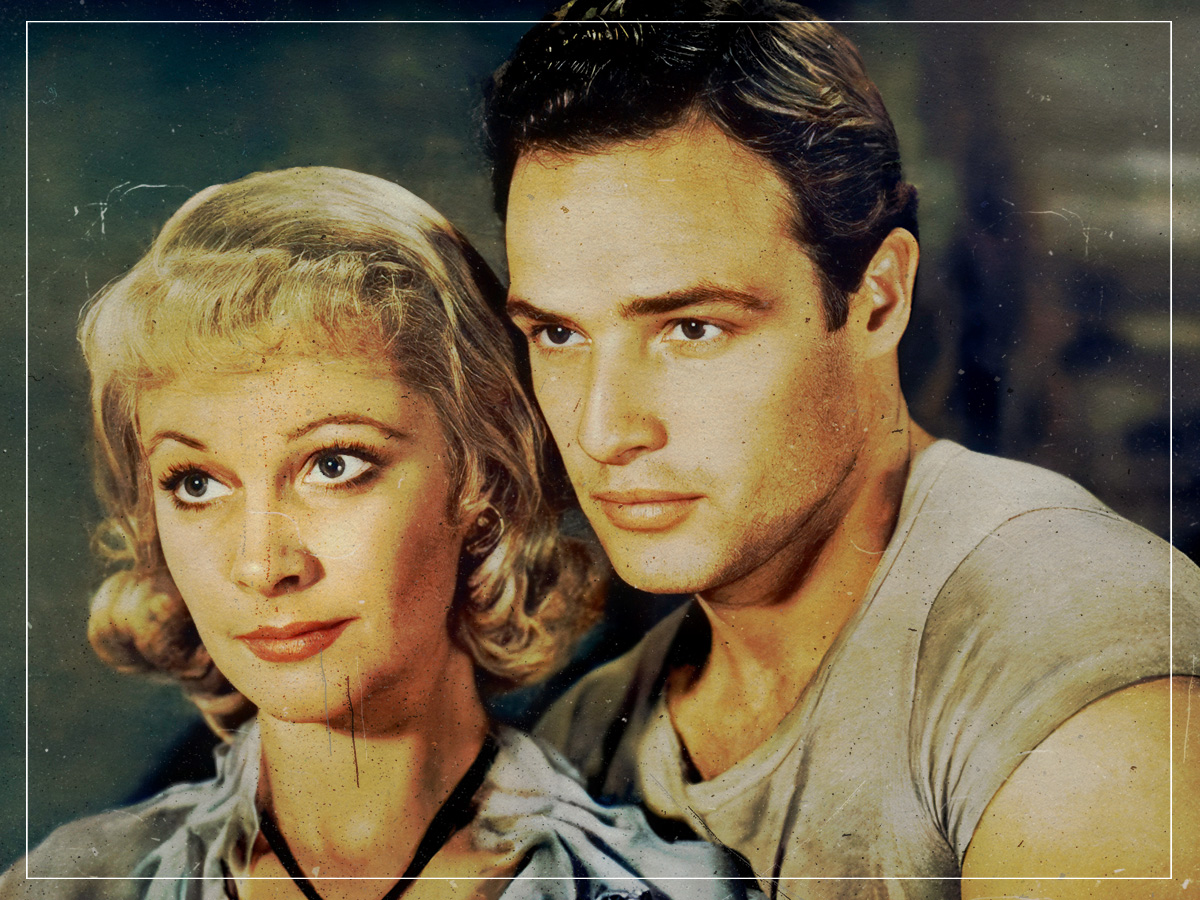
Milestone assumed it would be fairly easy to step into the breach and steer Mutiny on the Bounty over the finish line, but that was far from being the case. It would seem that the movie was on a course for trouble from the very start.
The first day of principal photography was in November 1960, and the last was in October 1961. During that 11-month period, the budget swelled to $10million more than initially estimated, with one final scene being captured in August 1962, less than three months before the movie’s theatrical release.
Brando played the mutinous Fletcher Christian, was the top-billed name in the cast, and was marketed as the star of the show, which turned out to be a nightmare. Milestone admitted that initially, “Brando behaved himself and I got a lot of stuff done,” but that turned out to be a fleeting experience.
“The producer made a number of promises to Marlon Brando which he couldn’t keep. It was an impossible situation because, right or wrong, the man simply took charge of everything,” the replacement director explained. “You had the option of sitting and watching him or turning your back on him. Neither the producers nor I could do anything about it.”
Brando was constantly late, butted heads with co-star Richard Harris, and simply refused to shoot sequences if he didn’t agree with them. “Marlon did not have approval of the story, but he did have approval of himself,” Milestone told the New York Times. “If Brando did not like something, he would just stand in front of the camera and not act. He thought only of himself.”
The troublesome actor would demand constant rewrites before he’d shoot a single frame, leaving Milestone to feel like a passenger who couldn’t capture the scenes he wanted “since Marlon Brando was going to supervise it anyway”.
The tales of woe surrounding Brando from Mutiny on the Bounty did serious damage to his standing and reputation, especially when it flopped. It would be a decade before he found another high-profile part worthy of his talents, which happened to be The Godfather.
But, if it took away Brando’s position as one of the more serious actors around, it did give him a love of island life, and he fell in love with Tahiti. “From the moment I saw it, reality surpassed even my fantasies about Tahiti, and I had some of the best times of my life making Mutiny on the Bounty,” Brando claimed. “The filming was done largely on a replica of HMS Bounty anchored offshore, and every day as soon as the director said, ‘Cut’ for the last time, I ripped off my British naval officer’s uniform and dove off the ship into the bay to swim with the Tahitian extras working on the movie. Often, we only did two or three shots a day, which left me hours to enjoy their company, and I grew to love them for their love of life.”
So while it might have been a disaster for many of those involved, it would seem that Brando did gain the love of an island.
