


The classic movie Helena Bonham Carter was worried would “backfire”

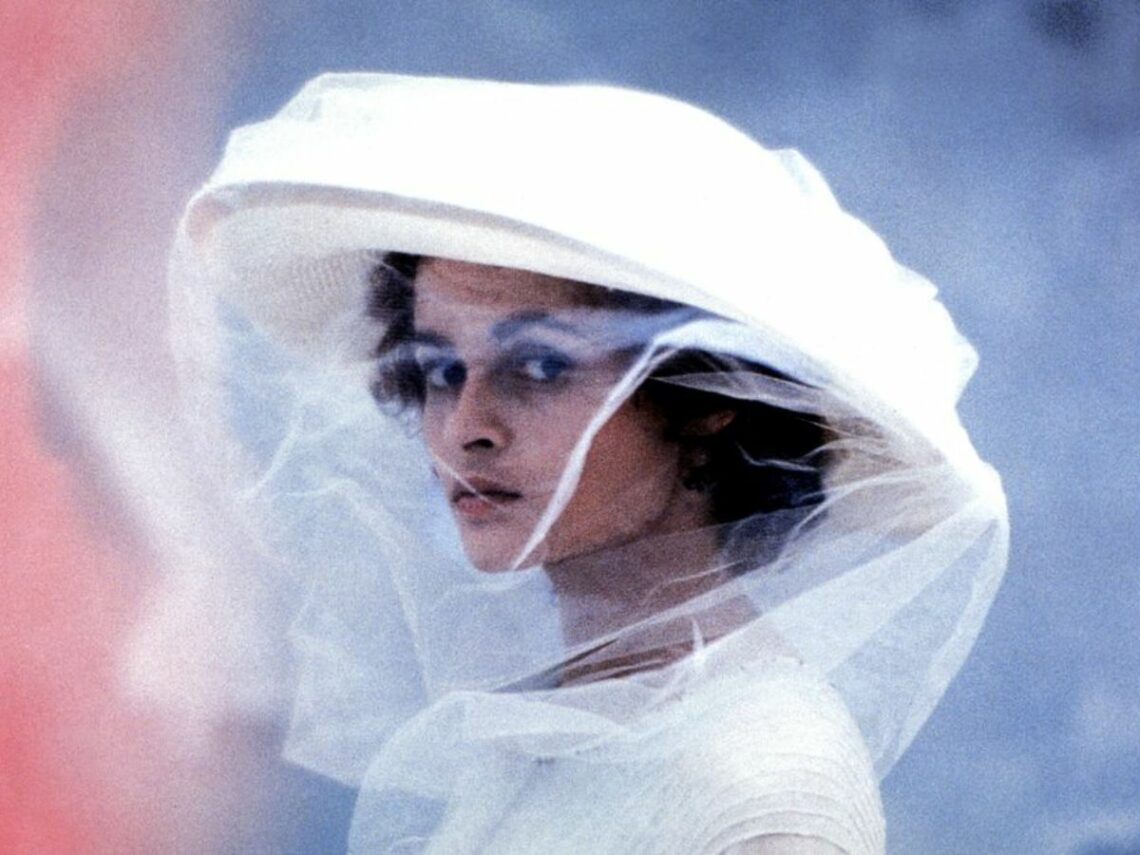
In the late 1990s, Helena Bonham Carter fought an uphill battle in Hollywood. The English actor shot to fame in the ’80s with roles in A Room with a View and Lady Jane, which led to her becoming one of the industry’s go-to period drama stars. With Hamlet, Where Angels Fear to Tread and Howards End, she became the queen of corsets – and quickly realised she hated that image. She wanted to make movies set in more modern times, but Hollywood resisted the idea – until she signed up for a film even she couldn’t help worrying would “backfire”.
In 2010, Carter told The Guardian, “I was like the corset bimbo. Well, not quite bimbo, but you know what I mean. The corset sex symbol, I suppose.” This image was hugely damaging because, unless she wanted to make period dramas forever, Carter knew she would have to kick and scream against her perception. So kick and scream she did.
“I have to struggle to change people’s perceptions of me so that I can find those kinds of roles,” Carter told Cinema in 2001. “They’re not just out there pleading for me to take them, I have to fight to get them. I grew very frustrated with the perception that I’m this shy, retiring, inhibited aristocratic creature when I’m absolutely not like that at all. I think I’m much more outgoing and exuberant than my image.”
Carter first tried to break free from the “English rose” with 1995’s Woody Allen comedy Mighty Aphrodite, but by 1997, she was back in the past with The Wings of the Dove. She did land a ‘Best Actress in a Leading Role’ Academy Award nomination for that film, though, and it gave her some newfound clout in Hollywood. She told The Guardian: “In the six weeks when you’re up for an Oscar, there’s a little window where you’re offered everything. Seventh week, when you haven’t got it, you’re fucked. Forget it. So, you have to get in there. I was offered so many nice parts, and I went for Fight Club.”
Rolling the dice on David Fincher’s violent satire was a huge risk for Carter – mainly because she didn’t quite “get” the script. She admitted: “I thought, oh God, this thing could really backfire and spawn all these fight clubs. It’s not a great philosophy, not a very mature one.” In the end, Brad Pitt wound up convincing her to take on the part of Marla Singer, a hard-drinking, drug-taking, chain-smoking, casual sex-enjoying American lady – and it changed her career forever.
“Films like Fight Club were so important to me,” explained Carter to Cinema, “Because I think I confounded certain stereotypes and limited perceptions of what I could do as an actress. I also get fed up with the fact that casting agents and directors have this impression of me as being frail and petite. I find it very patronizing. I’m quite beefy and strong. I was a gymnast in school and I have lots of muscles. I drink booze, I smoke, and I’m hooked on caffeine. I actually have been known to swear at times and belch and even raise my voice when provoked. And I’m not physically repressed!”
While Fight Club confounded critics and audiences upon its release, it soon became a modern classic adored by those who enjoyed its blackly comic, punk rock take on the ills of modern society. Interestingly, though, while Carter didn’t immediately “get” it, her mother did. Carter chuckled, “David was so depressed by the reaction, which was really violent, but he was cheered by mum saying, ‘Don’t you worry, it’s going to be a cult film.'”
Good call, Mrs. Carter.
