


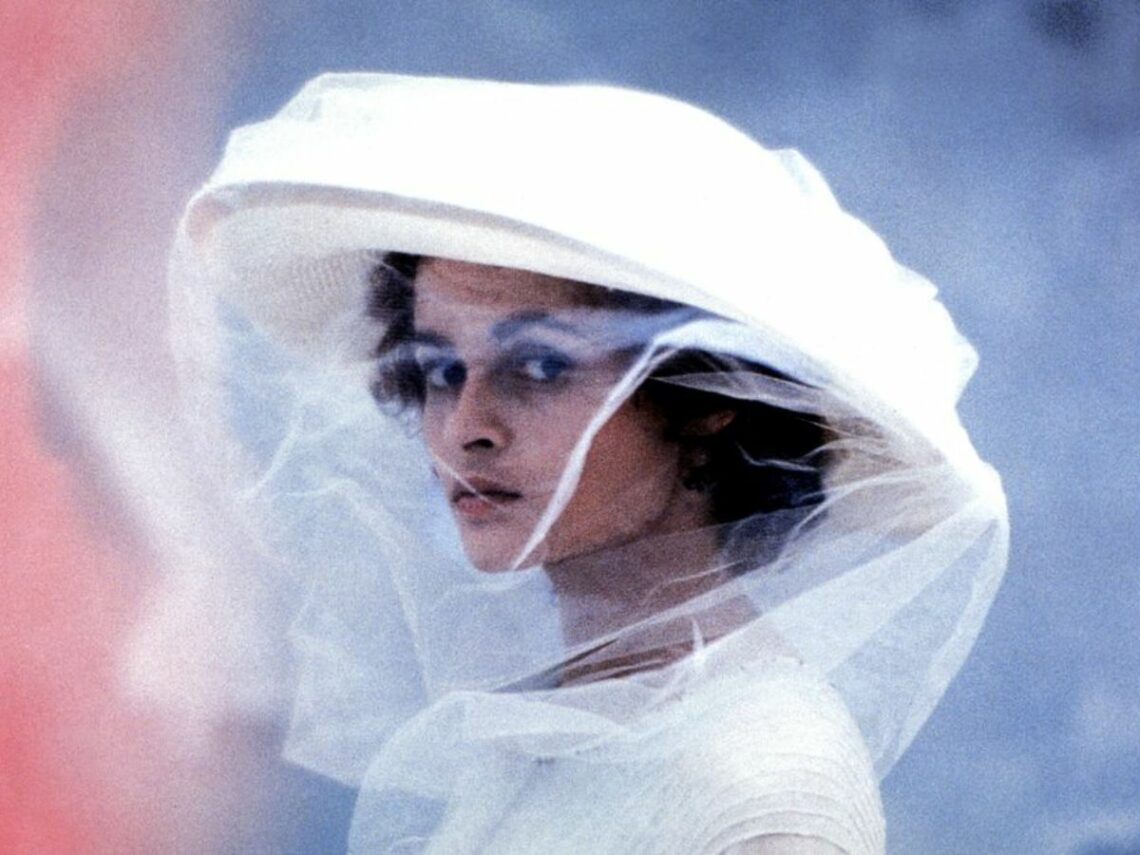
Why Helena Bonham Carter hated her early typecasting: “That English rose had definitely wilted”

As far as English acting icons go, there are few stars who have embodied the brilliance of British cinema better than Helena Bonham Carter. Capable of delivering her talents in a wide range of roles with stunning authenticity, Carter has established herself as a true hero of the big screen.
After first coming into the public’s attention with an effort in 1985’s A Room with a View, playing the character Lucy Honeychurch, plus the lead role in 1986’s Lady Jane, Carter went on to give further acclaimed efforts in the likes of The Wings of the Dove, The King’s Speech, Fight Club and the Harry Potter movies as Bellatrix Lestrange.
While Carter would indeed go on to play a wide range of characters, such as Marla Singer in Fight Club or Queen Elizabeth in The King’s Speech, it’s fair to say that she has been associated with playing peculiar and gothic-inspired figures with a dark psychological edge, proving the performer’s intensity as a character actor.
Given Carter’s whole aesthetic and physicality, early into her career, she had been typecast as an innocent ‘English rose’ and had appeared in a series of period and costume dramas. However, such a label made Carter feel somewhat uncomfortable with fitting into a box that she might never have been able to escape from.
In an interview with The Times, Carter explained, “I looked, as someone said, like a bloated chipmunk”. In response to feeling like a “corset queen”, Carter started dressing more androgynously, having referred to the advice of her peer, “You’re less threatening if you’re boyish and young and sweet and cute”.
Giving performances in a series of period and costume dramas set in the pre-and early-20th century naturally led to Carter’s typecasting. Sometimes, some actors fit into a certain period so well with their looks, and it’s fair to say that Carter certainly looked convincing in her early roles.
However, it was something that she longed to break free from, even if, in the following years, she returned to such roles on several occasions. Carter had originally been cast in Lars von Trier’s 1996 psychological romantic drama Breaking the Waves but later left the production due to “the character’s painful psychic and physical exposure”, and the role went to Emily Watson, who won an Academy Award for her troubles.
Decades later, though, Carter had delivered far different roles from those in which she was depicted stuffed into a corset early in her career. “That English rose had definitely wilted,” she had said. “I’ve had more interesting parts. If you’ve played ingénues, beauty goes. Luckily, I can always change myself”.
Still, there’s always been something of a gothic edge to Carter’s roles. In playing the evil witch Bellatrix Lestrange in Harry Potter, she detailed a dark manner and aesthetic, something that had already been shown in a masterful way when Carter took on the role of Marla Singer in David Fincher’s Fight Club.
Indeed, Carter has never really seen herself as a Hollywood actor, and certainly not as an actor who withers in the face of a challenging role, noting, “The parts aren’t up my street – I’m stupidly uncommercial and have no taste for mainstream popcorn”. Restricting her movement in the industry, Carter discarded her typecast roles in order to play more complex characters that better reflected her endless versatility and talent, building a far stronger filmography as a result.
