


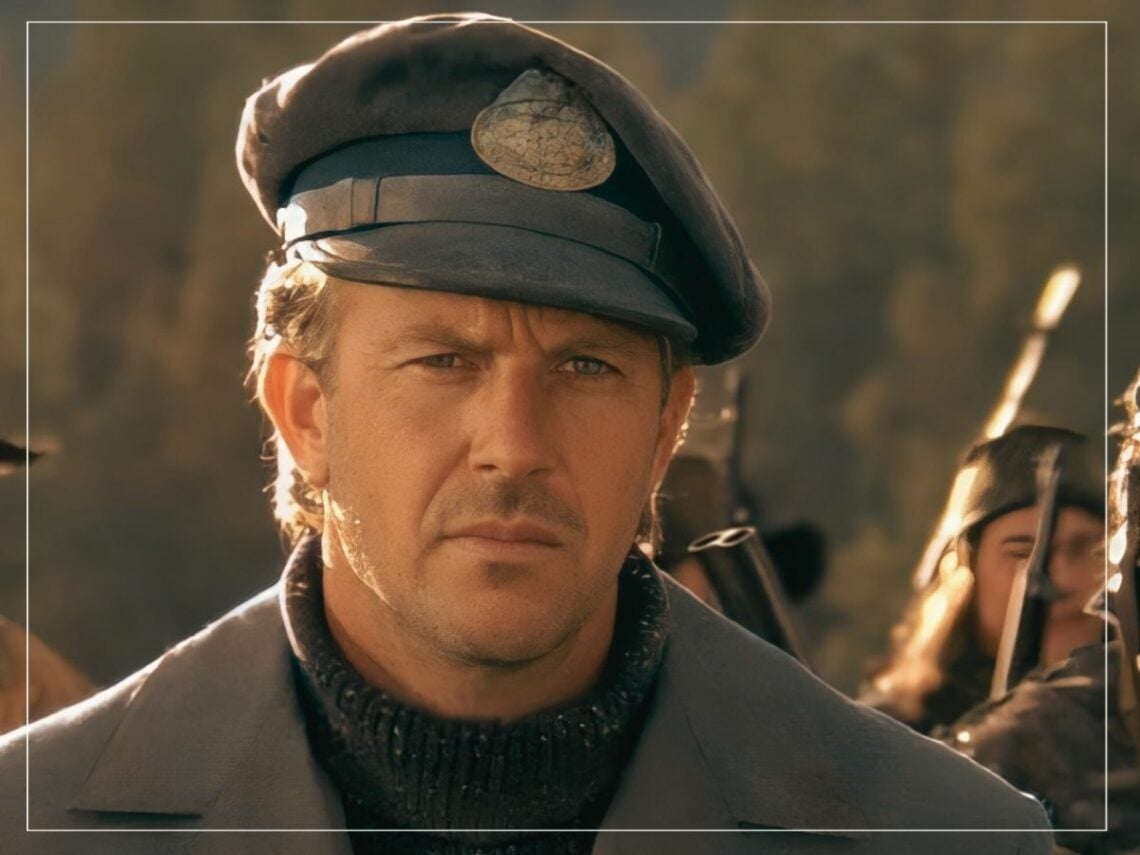
The movie destroyed by Kevin Costner’s ego: “There was no one stopping him”

Many actors have attempted to cross creative borders by starring and directing their own projects, whether it be Issa Rae, Halle Berry or Jesse Eisenberg, all of which have had complex thoughts on the challenges of coordinating such a feat. Some have discussed the enormous mental strain of shifting between two very different creative mindsets, splitting your brain between the fluidity and freedom that is needed to perform and the precision needed to direct.
However, this can sometimes lead to an artist having complete monopoly over a story, with few people being able to penetrate their vision and contribute towards the wider picture. In the case of Kevin Costner, his unflinching vision has not always led to good results, with the 1997 film The Postman being the perfect example of how a blinkered approach to creativity can harm a project.
Kevin Costner has forged a career that is founded on his love of one particular genre, making it clear to everyone that he loves Westerns and will continue to be the biggest advocate of these stories. From the recent success of Yellowstone to Dances with Wolves and Horizon: An American Saga – Chapter 1, the actor became a leading man of the desert landscape, helming films that showcase the dramas of life on the ranch and all who occupy it, becoming a ride or die fan of the genre and the possibilities it presents.
However, while many of these projects have been hugely successful, there was one that didn’t quite make the splash that was expected, which Costner’s former agent largely attributed to the actors lack of collaboration and not allowing external input on the project.
The Postman is set in a dystopian 2013 in which there are only a number of survivors scattered across the United States. Within this landscape lives a drifter with a passion for Shakespeare who seeks to spread hope and inspiration. When describing the project, Costner’s former agent Ron Mardigian mentioned how before the actor-director signed onto the film, it was “…a nice little two-hour movie. Costner took over and there was no one stopping him. He had a vision that didn’t work, but nobody would tell him that.”
It was also mentioned that Costner was very committed to extreme and slightly unnecessary stunts, being advised against performing certain acts for insurance purposes. However, Costner insisted on performing them, with one that required a zipline basket ride in which he hurtles from the Boundary Dam at Metaline Falls in Washington. When describing the dangerous nature of this stunt, they said, “Because that’s Kevin, the $80million gorilla. Just to do his version of Tom Cruise or something. I think a lot of it was ego.”
While ego can be important in the creative process, maintaining faith in your vision during pre-production and financing your story, sometimes it can be detrimental when you don’t know how to recognise your own shortcomings and bad ideas. This leads to questionable and one-dimensional projects that are purely infused with your ideas and no one else’s, which goes against the collaborative principles of filmmaking.
