


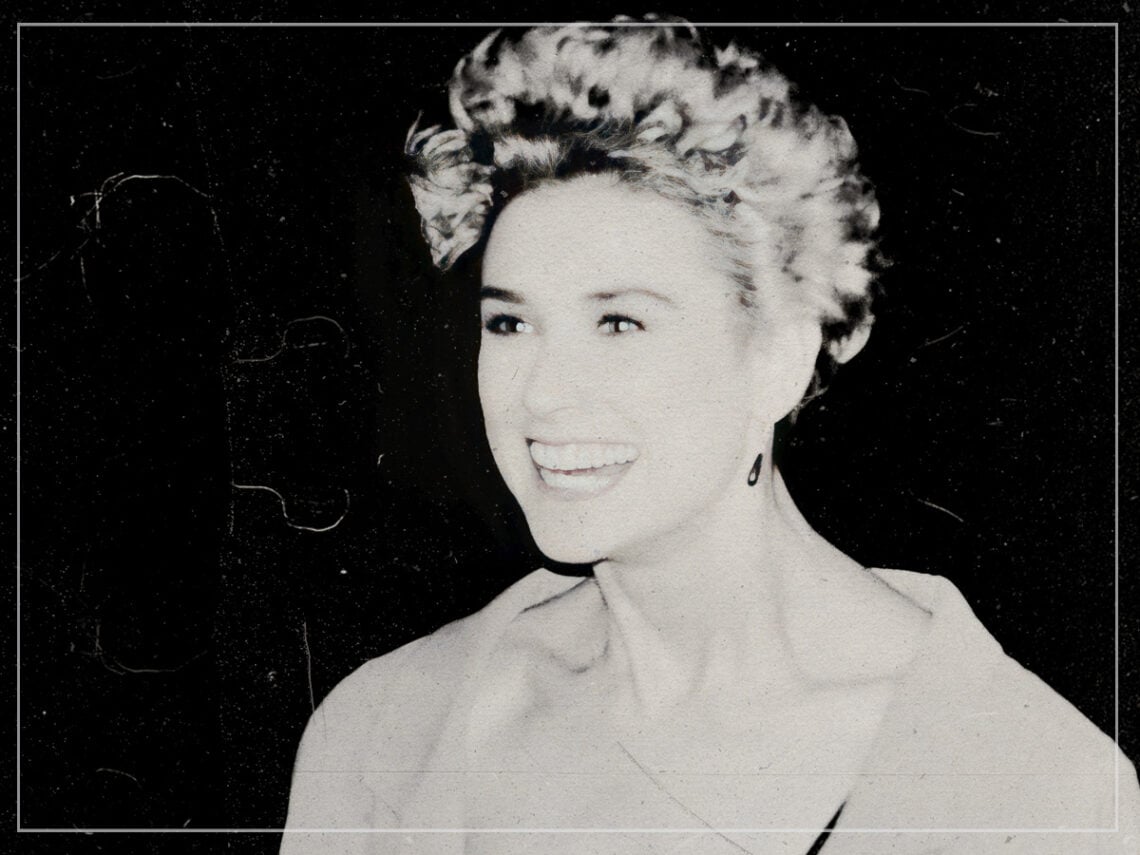
The movie Demi Moore wants to delete from history: “I shouldn’t have done that film”

The 1980s was a big decade for Demi Moore, who soon became associated with the ‘Brat Pack’, a wave of young new actors frequently appearing in American comedies and coming-of-age movies, and it wasn’t long before she made her mark on Hollywood with Ghost, which catapulted her to acclaim.
Unfortunately for Moore, who has since found a resurgence of acclaim following The Substance, the ‘90s was a much more unpredictable decade. She experienced several notorious flops, like The Scarlet Letter, and, of course, Striptease, which saw her paid the highest fee a female star had ever been given for a role that caused significant controversy, only furthered when the movie turned out to be a massive failure.
Before these films, though, she took on a central role in the 1991 romantic comedy The Butcher’s Wife, but she soon found herself doubting her abilities, a surefire way to detract you from a good performance, and thus found herself with a Razzie nomination.
She needed to be more sure of herself, but at least she had learned a valuable lesson about herself and her career in the process, about which she wrote in her memoir, Inside Out, “I was wrestling with a sense of rejection and uncertainty I just couldn’t shake when I was offered a movie called The Butcher’s Wife. I shouldn’t have done that film, but for reasons that had nothing to do with Bruce [Willis]. My agent at the time talked me into doing The Butcher’s Wife for the money, to get my price up. I’ve never done a movie just for money again.”
Directed by Terry Hughes, who’d previously helmed The Two Ronnies, Moore didn’t have much faith in the project, but she was young and didn’t seem to know when it was best to turn down a project, even if your agent is trying to convince you otherwise.
“It was never how I’d worked, and it was a disaster of an experience that I didn’t want to repeat. I didn’t feel confident going into it, I didn’t feel confident while I was there, and I didn’t trust the director,” she added, “The movie rested on me, but I didn’t have half the experience of the other actors, Jeff Daniels, Frances McDormand, and Mary Steenburgen. I was intimidated, and I didn’t have the confidence to ask them for help.”
Evidently, imposter syndrome affects everyone, even big Hollywood stars, and the actor just didn’t know how to navigate a production she was unhappy with and felt unprepared for, but the only way out is through, so she persevered, even if she suffered the results of her decision and was critically derided for her performance.
It was certainly a learning curve, though, because Moore came to realise how much of her self-consciousness and insecurity was affecting her role in the film, wherein she found herself believing that she was letting everyone down, and so they were all judging her as a fraud, concluding, “I had to employ a Southern accent, and I worried I sounded ridiculous”.
It has taken a while to get there, but the actor has finally come out on top, having earned an Academy Award nomination for The Substance last year, and, I bet, following the failure of movies like The Butcher’s Wife and Striptease, she never thought that possible.
