


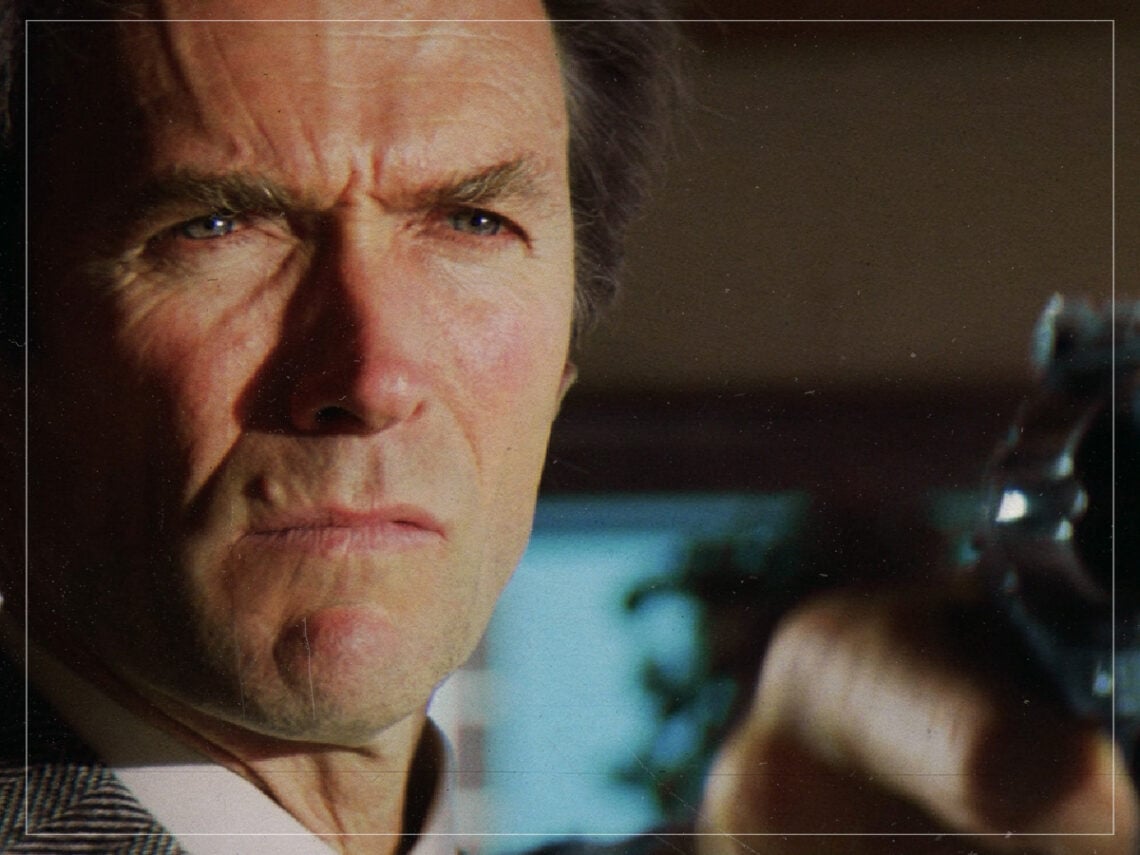
“It’s a classic on every score”: the 1940 movie Clint Eastwood called one “people want to see forever”

It’s impossible to make a timeless film on purpose, because you can’t guarantee what audiences will be interested in watching next month, never mind years and decades from now. Still, Clint Eastwood has been in a few of them, with his most iconic roles refusing to go out of fashion.
Sergio Leone’s Dollars trilogy, Don Siegel’s Dirty Harry, and Eastwood’s own Unforgiven fit into the timeless bracket, and you could make a compelling case for several others, including the actor and filmmaker’s The Outlaw Josey Wales, which hold up as well today as they did upon release.
Every year, dozens of movies land in cinemas and are completely forgotten about by the time the clock strikes midnight on New Year’s Eve, and percentage-wise, the number of pictures that have stood the test of time and will be revisited in perpetuity is infinitesimal, and that number is only getting lower.
Never one to pat himself too hard on the back, Eastwood isn’t the sort of person who’d name one of his own features as something that’s guaranteed to be watched forever, but he knows a film that will. In classic fashion, given his reputation, one of the reasons he loves it so much is that it was one of the most economical productions of its era.
“John Ford had just finished The Grapes of Wrath, and he had exposed the least amount of film for a feature up to that time, which was something like 37,000 feet,” the four-time Academy Award winner explained. “Now, here’s a guy who makes a classic, that people want to see forever.”
“Long after the man’s dead, people will be running it, for years, and years,” Eastwood continued. “And he did it with a record low of exposed film for that time, and that’s because Ford knew exactly what he wanted, and knew when he had it. He didn’t go out there for six or eight months or a year, and do 50 takes on everything.”
It’s almost hilariously on-brand for Eastwood to celebrate The Grapes of Wrath largely for its efficiency, which is something he’s very familiar with as a one-take kind of director. Beyond that, though, it’s a ‘Golden Age’ masterpiece, with Ford winning ‘Best Director’ at the Academy Awards for a literary adaptation that’s almost unanimously regarded as one of the greatest movies of its era, if not all time.

It didn’t win ‘Best Picture’, thanks to Alfred Hitchcock’s Rebecca, but trophies don’t necessarily define the most seminal films. Bringing John Steinbeck’s novel to the screen a year after it was first published, it’s telling that even in this day and age, it remains the one and only feature-length version of the story.
Steven Spielberg was in talks to helm a remake back in the early 2010s, and you know that The Grapes of Wrath is a daunting prospect to do over when even he got cold feet and backed out. As far as Eastwood is concerned, Ford’s masterpiece “is a classic on every score,” and he’s right, regardless of whether he shot five takes of each scene or 500.

Never Miss A Tale
The Far Out Clint Eastwood Newsletter
All the latest stories about Clint Eastwood from the independent voice of culture.
Straight to your inbox.