


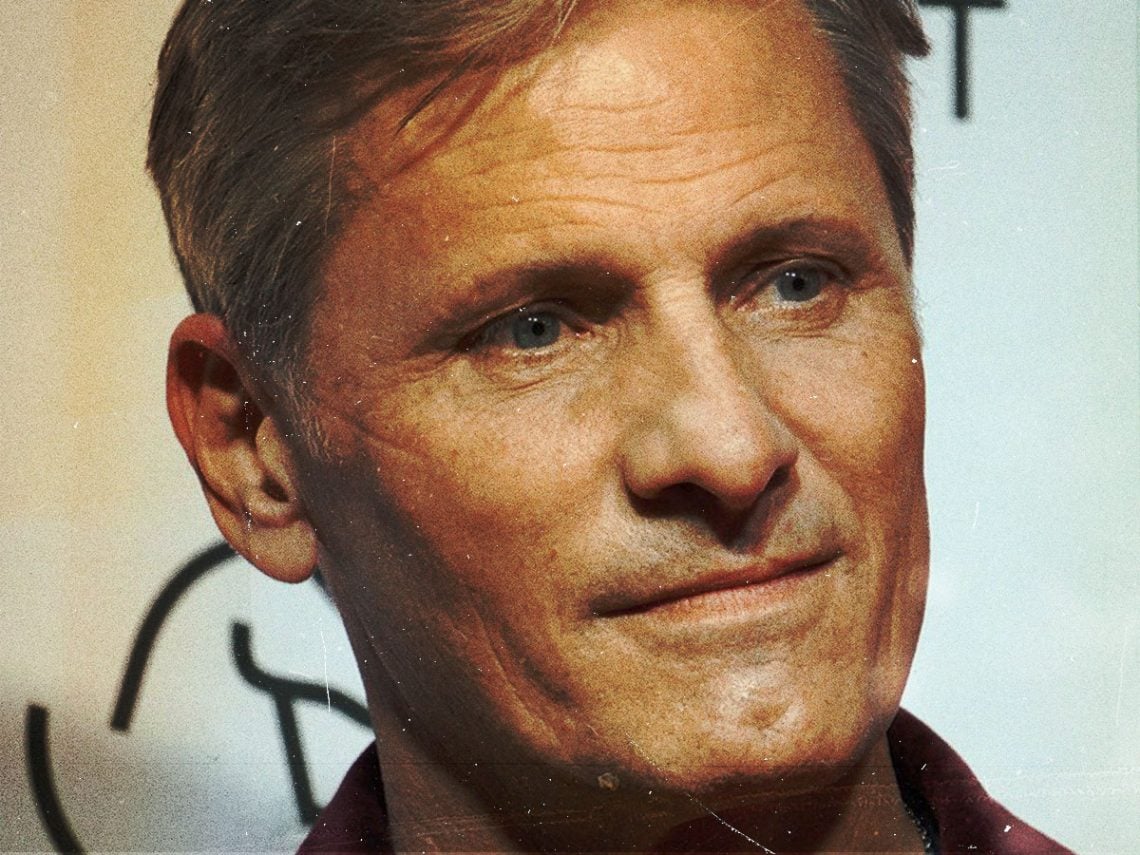
The movie that changed Viggo Mortensen’s life forever: “I wanted to think about it”

Viggo Mortensen may well forever be the image of the noble hero in a medieval high fantasy epic, as he is most famous for playing Aragorn in Peter Jackson’s The Lord of the Rings trilogy, the ‘King’ in The Return of the King. The franchise launched the entire cast to international stardom, and Mortensen gives a stoic yet nuanced and ultimately breathtaking performance.
However, the actor has pursued a much more varied and acclaimed career elsewhere. Mortensen has been nominated for an acting Oscar three times, for 2007’s Eastern Promises, 2016’s Captain Fantastic, and 2018’s Green Book, the last being a controversial ‘Best Picture’ winner. A better highlight among these is Captain Fantastic, a comedy drama in which Mortensen plays a widower who raises his children unconventionally off the grid, and disagrees with his late wife’s family over her funeral rites and the children’s future.
People naturally want to know how Morten’s love for acting started, and he shared the story of his early inspirations while promoting his writing-directing debut, 2020’s Falling. The actor also stars in it as a gay man who is forced to confront his ailing, homophobic father, clashing as he tries to care for his family, but his father protests any change.
In an interview with Variety, Mortensen says that his mother and British filmmaker David Lean were the two key figures in starting his film career, from the time his mother took him to see Lawrence of Arabia in Buenos Aires when he was four years old. “At intermission, she talked to me about what was being shown and what they didn’t show us,” says Mortensen. “We always had those conversations.”
The vast scale and mature themes of the film did not put him off. “As an audience member,” he says, “I didn’t want people to tell me what was going on; I wanted to talk about it and think about it.”
As a film that was both of its time and ahead of it in many ways, Lawrence of Arabia has faced some criticism, mainly surrounding its historical accuracy and its positioning of TE Lawrence (played by Peter O’Toole) as yet another white saviour figure. However, it is still considered a cornerstone of cinema and is hugely influential in the space of action epics, primarily due to its goddamn revolutionary cinematography and score, as well as its complex story.
Many of us navigate to art that provides easy answers, but Mortensen demonstrated a preference for complex subject matter from a very young age. While it may be a visual feast, Lawrence of Arabia leaves its audiences with plenty of questions that are still discussed to this day. When Mortensen got started on Falling, he spoke with Agnès Varda, another idol of his, to discuss what it was that he wanted to say as a director now that he finally had an opportunity, and it all circled back to things Lean did in Lawrence of Arabia.
“I told her I was trying to direct a film,” Mortensen concluded. “She said, ‘Don’t show the audience everything. Make them want to see things for themselves.’ She put into words what I’ve always wanted to do.”
