


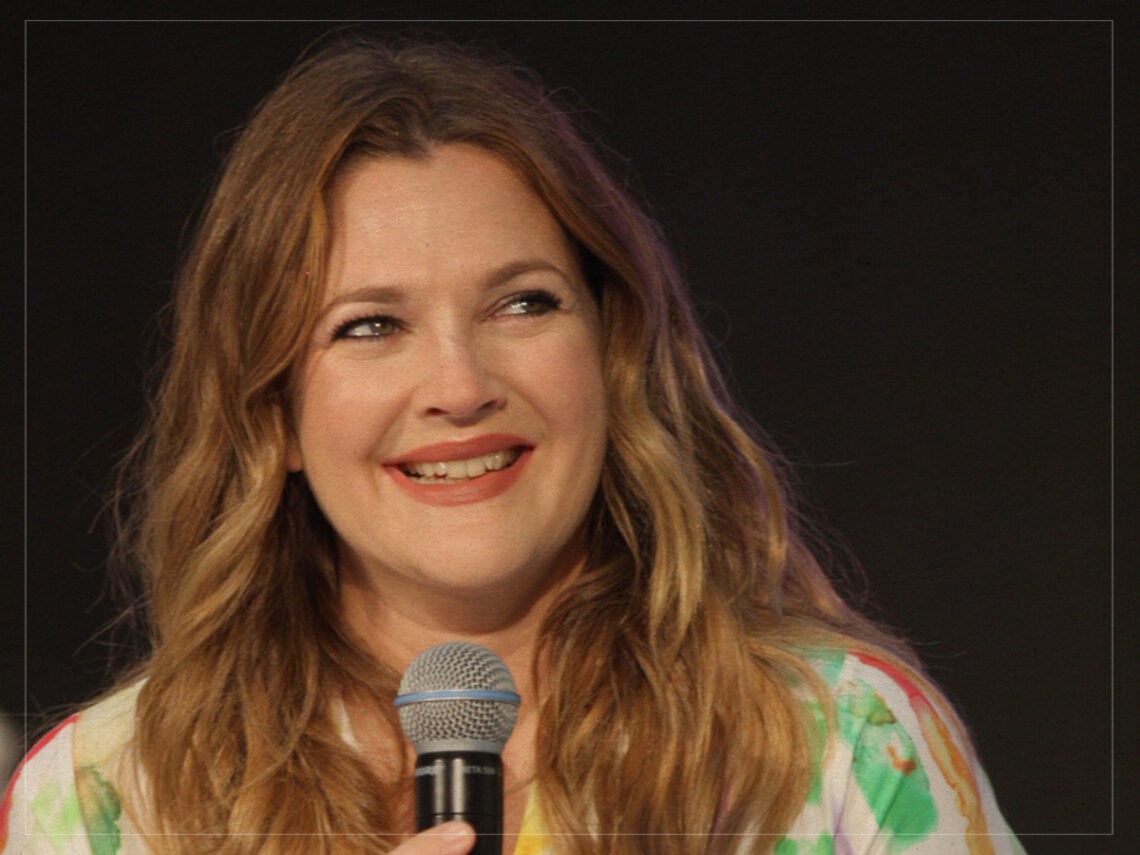
The 1998 movie that changed everything for Drew Barrymore: “The thing that set me up best in my life”

Drew Barrymore has had a pretty miraculous career, when you think about it.
These days, she’s happy presenting her own talk show, with roles spanning Adam Sandler comedies and TV shows like Santa Clarita Diet keeping her acting muscles in gear, but there was a time when it looked like Barrymore was heading for disaster in another case of Hollywood failing its youngest stars.
Born into one of the industry’s most well-known families, it was only a matter of time before Barrymore herself was inducted into the industry in all of its equal glamour and corruption. As a child, she was attending lavish parties, taking hard drugs, and staying out way past her bedtime (although I think that was the least of her worries).
Barrymore wasn’t looked after, and by the time she was a teenager, she was appearing in movies with rather mature themes and posing naked for magazines, leading her godfather and ET director Steven Spielberg to send her a quilt that said ‘Cover Up’. The actor’s 1995 Playboy cover caused quite the uproar, but within a few years, she was ready to do something different.
Maybe Spielberg’s message reached her loud and clear, or perhaps she just got a few years older and stepped back to assess her career. What did she want from being an actor? Barrymore came to realise that she wanted to make an impact, she wanted to use her own challenging experiences to make something positive, and that’s where Ever After came in and saved the day.
“I was in my early 20s, and then I was trying to start a company and wanted to tell stories and make films, and that particular messaging that you can rescue yourself and you don’t have to wait to be rescued is definitely the thing that set me up best in my life,” she revealed. “I don’t know who I would be, honestly, without it.”
Ever After took a more historically accurate approach to the Cinderella story, with Barrymore playing Danielle de Barbarac, with the film set during the French Renaissance era. It was a success, and the actor felt fulfilled; this was what she was designed to do.
“It changed the way I saw the world,” she admitted, calling the role her favourite. Danielle is an unconventional vision of the typical princess in cinematic history, and Barrymore was pleased to present a version of a familiar character who didn’t simply wait for a man to save her, calling her “one tough Cinderella.”
“She does many things a man does, whether it involves physical strength or reading,” the star elaborated. “She’s ahead of her time in breaking down the barriers between a woman’s place in society and a man’s place. The fairy tale Cinderella always gets shut down by those around her, but Danielle refuses to get shut down.”
From then on, Barrymore seemed much more secure in the direction of her career, and she became a rom-com queen with roles in the likes of Never Been Kissed and 50 First Dates, while movies ranging from Donnie Darko to Charlie’s Angels allowed her to keep up a steady profile in Hollywood. Now, those controversial days are long gone, and, like Danielle de Barbarac, she learned to find that power for change and preservation within herself.
