


The one movie Ang Lee will always wish he could do over: “I should have had more fun”

If anyone is going to gun for the crown of ‘most versatile director’, then it’s Ang Lee. Who else can move across genres so boldly and successfully?
The filmmaker primarily focused the early years of his career on Taiwanese productions, but by 1995, Hollywood came knocking, and he helmed perhaps the biggest adaptation of a Jane Austen novel to date. Penned by and starring Emma Thompson, the timeless Sense and Sensibility became a hit, earning several Oscar nominations (and wins) while cementing Lee’s place in mainstream cinema as a director with flawless range, raising expectations for what he would try his hand at next.
So naturally, he took on a drama, a western, and a martial arts film before landing his most lucrative project, the superhero blockbuster Hulk. Made on a huge budget of $137million, the film saw Eric Bana become the green-skinned muscle machine, with super strength spurred by his reaction to anger; I think we all know a few people who turn a little too Hulk-like when they’re similarly pissed off.
It wasn’t Lee’s most successful project with critics, although it still grossed almost $250m, and that’s to be expected when you enter the territory as divisive and expansive as superhero blockbusters. Nevertheless, the director soon reverted to slightly more artistic and nuanced territory with the classic gay romance Brokeback Mountain.
Now in the rearview mirror, the man wishes he hadn’t taken the Hulk as seriously, and perhaps, if he made it today, with the help of advanced technology, he would’ve done things differently, he admitted.
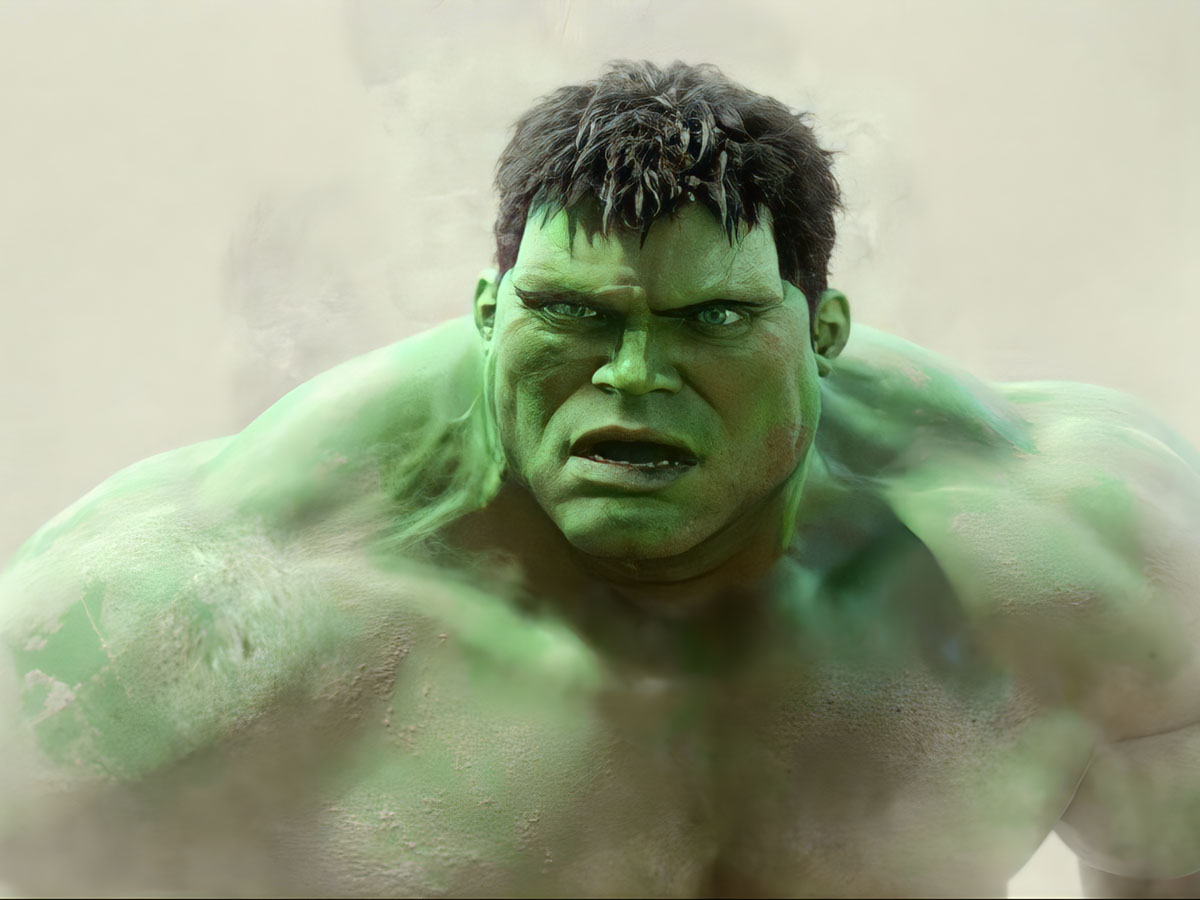
Talking to Vulture, Lee discussed his behind-the-scenes experience with the film, explaining, “I learned quite a bit about CG from The Hulk, and I wouldn’t have been able to do Life of Pi without that. But it’s easier to create an animal, because there exists a good reference—so a tiger or a hyena is easier than a 2,000-pound rage monster. The hardest thing to do is the weight, not the skin, because there’s no reference for something that size that is agile”.
He pointed out the more recent iteration of Mark Ruffalo’s angry green man from the MCU as evidence of better technology offering better understanding of depth, before lamenting about his overthinking, “My problem is that I took the whole thing too seriously. I should have had more fun with it, instead of all the psychodrama!”
It’s understandable, though, that making something as big as Hulk was certainly going to be a challenge, and it’s only natural that you’d get caught up in trying to make it look just right rather than allowing yourself to have a load of fun. It is work, after all, that will speak for you.
In an interview with The Guardian, Lee further expanded on his serious approach to his superhero film, noting, “The first Spider-Man came out while I was making Hulk. And here I was shooting psychodrama! Back then, the system was not as strict as it is today. After Crouching Tiger, they must have thought: ‘Maybe this guy can do anything’.”
It seems Lee got caught up in the shininess of Hollywood when he made Hulk, finding himself intimidated by the pressures of making such a commercial film with such an unfathomably large budget. He enjoyed the freedom of means that was offered to him, but caught himself on the back foot, musing with realisation, “Hulk was the one time I had absolute freedom, which may be good or bad. Whatever I wanted, at any expense, was mine. It was like I was on a shopping spree. Anything goes! I’m still proud of Hulk, but I underestimated the power of genre and how you have to wrestle with a general audience.”
