


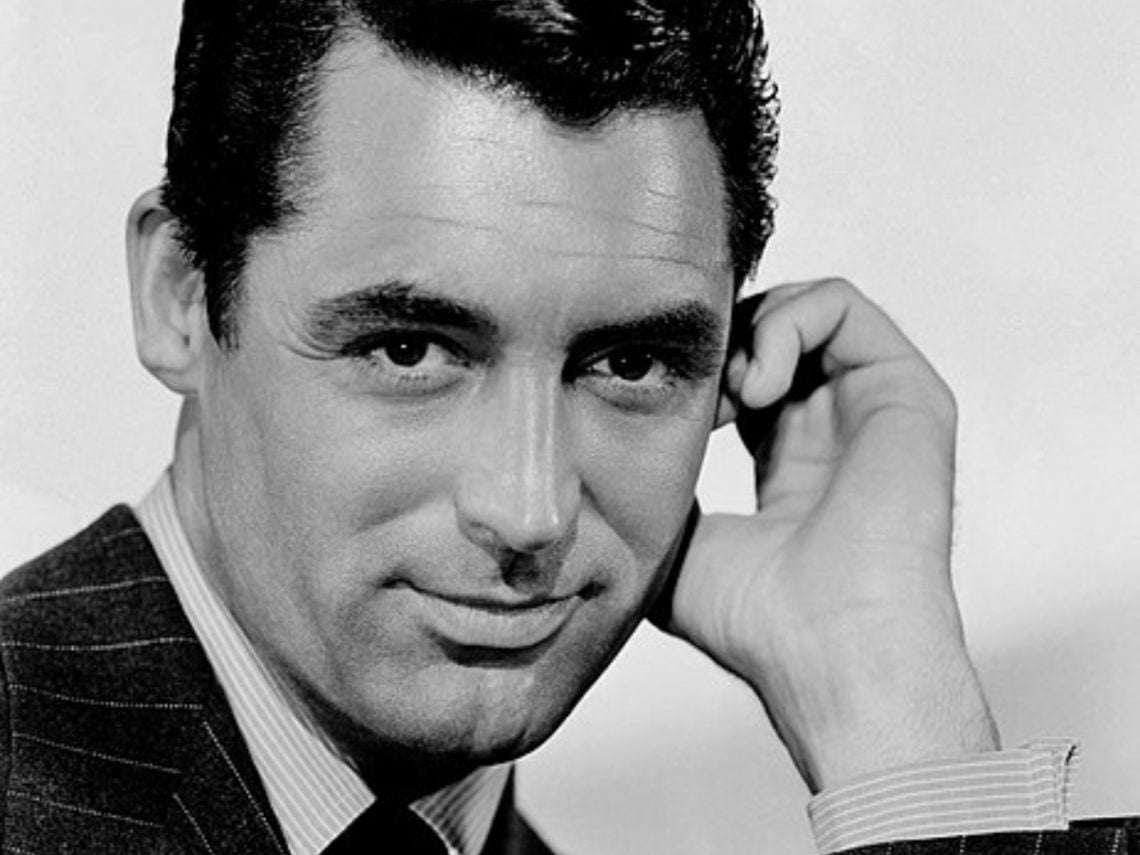
The movie that almost brought Cary Grant back from Hollywood exile: “We hope to do it”

When a baby boy called Archibald Alec Leach was born in Bristol in 1904, it’s safe to say that nobody expected much of him.
His father was an alcoholic factory worker, while his seamstress mother battled clinical depression for her entire life. His older brother John didn’t even make it to his first birthday, dying of tuberculous meningitis. However, despite all the odds, this kid went on to become one of the biggest stars in the Golden Age of Hollywood. He even changed his name in 1942, adopting the moniker that would become his trademark: Cary Grant.
Working as a stage performer, Grant found himself on tour in New York City and decided to stay. He slowly established himself as an actor before taking on Hollywood in the 1930s, and it’s safe to say that Tinseltown didn’t stand a chance. Over the next three decades, his handsome face and silver tongue made him one of the most bankable stars of his time. Whether in a screwball comedy or an Alfred Hitchcock-helmed thriller, Grant’s name on the poster was always a reason to go to the movies. Sadly, the good times did not last forever.
The cracks began to show in the early 1950s, when a number of his films failed to reach his lofty standards. He bounced back towards the end of the decade and into the 1960s, but found himself increasingly uninterested in what Hollywood had to offer him. When his daughter Jennifer was born in 1966, he decided to call time on his acting career.
Grant was in his early 60s when he retired and would live for another 20 years. It’s no surprise then that many filmmakers tried to coax him back into the fray, one of whom was the great Howard Hawks. The Oscar-nominated filmmaker worked with Grant a number of times, including on Bringing Up Baby and His Girl Friday. He was one of Grant’s favourite directors to work with, and he thought he stood a decent chance of bringing the icon back to the silver screen.
An ageing Hawks brought up the idea of reuniting with Grant to a crowd of fans at the 1971 Chicago Film Festival. “We’d always wanted to do Don Quixote and have [Mexican comedian] Cantinflas do Sancho Panza,” he revealed (via Sight and Sound).
Adding, “Before Cary gets too old or I get too old, we hope to do it.”
There have been countless versions of Miguel de Cervantes’ classic novel. One of the best versions was made in the Soviet Union in 1957, while Terry Gilliam released a version of the tale in 2018. Orson Welles tried and failed on multiple occasions to adapt the story, but he died before it could be completed.
Tragically, a similar fate befell Hawks’ version. He died just six years after this public appearance, never getting the chance to play Grant as Quixote. Hawks’ death was one of many that befell Grant’s circle of friends in the 1970s and 1980s. Howard Hughes, Grace Kelly, Alfred Hitchcock, and David Niven all died within the space of seven years. This cruel period hit Grant hard and extinguished any chances of a Hollywood return.
