


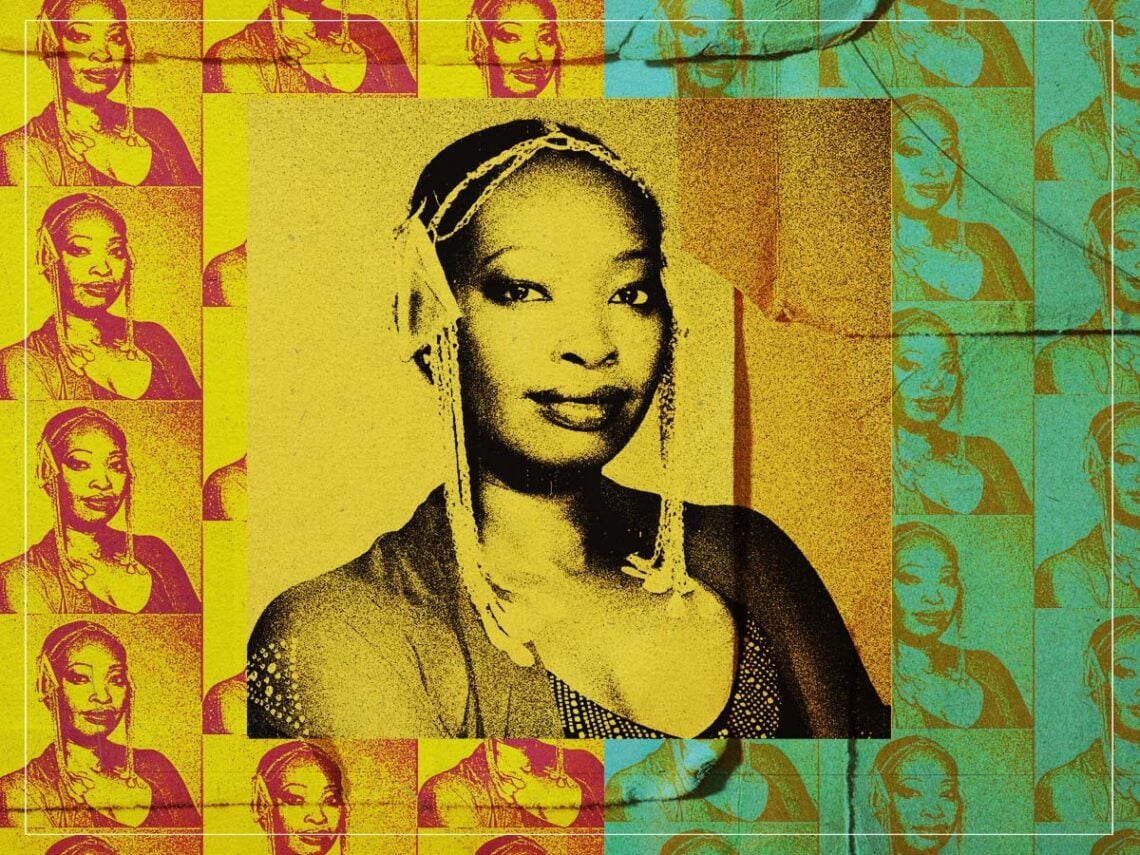
Mounira Mitchala: the ‘Sweet Panther’ of Chad

Even here in the capitalist heights of the Western world, it’s hard to truly break the music scene. The ability for your songs to transcend ideologies, religions, and entire nationalities is no mean feat. Then try taking on this nearly impossible task while attempting to rail against your country’s conservative values, limited cultural scene, and even lesser place for women, and you will find Chadian artist Mounira Mitchala, who marches with this all in her stride while somehow finding the ability to unite the demographics of North and Central Africa as she does it.
Born in 1979, Mitchala, also known as ‘Sweet Panther’, began her career as an actor with minor roles in a plethora of Chadian films before venturing into the music realm. It wasn’t an easy road – Chad has a backdrop of vast socioeconomic problems rendering the political investment in its art and culture production virtually non-existent, and particularly as a woman, Mitchala had to put up an extreme fight to break the mould of restrictive traditionalist ideologies which permeate the fabric of the country.
What makes her popularity across various African regions even more striking, however, is the cornerstone values of social justice she instils in her music. Her work has become synonymous with calling out widespread cultural issues arising from the toxicity of her country’s conservatism, including that of forced marriage, genocide, and civil war, creating a call to arms and marking her as an apt symbol of her powerful animalistic namesake.
It is most probably Mitchala’s resounding messages for peace and freedom which enthral such widespread demographics from both North and Central Africa towards her. Not only this, but from a sonic perspective, she utilises traditional rhythms from the respective regions to form a distinct musical voice that won over the masses and garnered her international acclaim with her breakthrough hit ‘Talou Lena’ back in 2008.
This sense is certainly still clear in her second album, Chili Houritki, released in 2012. The wealth of tracks can largely be categorised under the Afro-pop genre, but this is not to dismiss the wide number of varying sounds that it skilfully manages to encompass. To a Western ear, there seems to be certain traces of what we might consider folkish tones mixed with slick guitars; warm choral singing and rousing, punchy beats. Above all, the songs are overwhelmingly uplifting.
Through this lens, it is easy to see Mitchala’s great appeal among a multitude of African nations. The persistence of her hope and optimism in fighting against such stark political darkness is bold, sharp, and innovative – standing up to the true power that music can hold. Whether she considers herself a beacon for her culture is another question, but it is extremely evident that there is an inherent determination and strength which ignites the inner flame of her music, keeping it burning across time and place to cement her as one of Afro-pop’s top exports.
With Mounira Mitchala’s rise to prominence and powerful ability to promote unity through her art, it is not difficult to gather why she has gained the ‘Sweet Panther’ moniker. Indeed, if you search the description of a panther, it returns many characteristics which fit the bill. Blunt and honest, insightful: by Mitchala’s holding a light to, and providing a voice for, those who face some of the most severe issues which plague her country, she is not one for shying away from the truth.
Quick to act and ready for a challenge: if there is anything that Mitchala’s story proves, it is this: not least exposing stigmatised sociopolitical problems, but being a woman who does so requires remarkable tenacity. Curious and keen to experience the world: why else would you take on such adversity if you didn’t want to question the status quo of your restrictive culture? More than anything, Chad’s Sweet Panther has made the strength of her voice known.
