


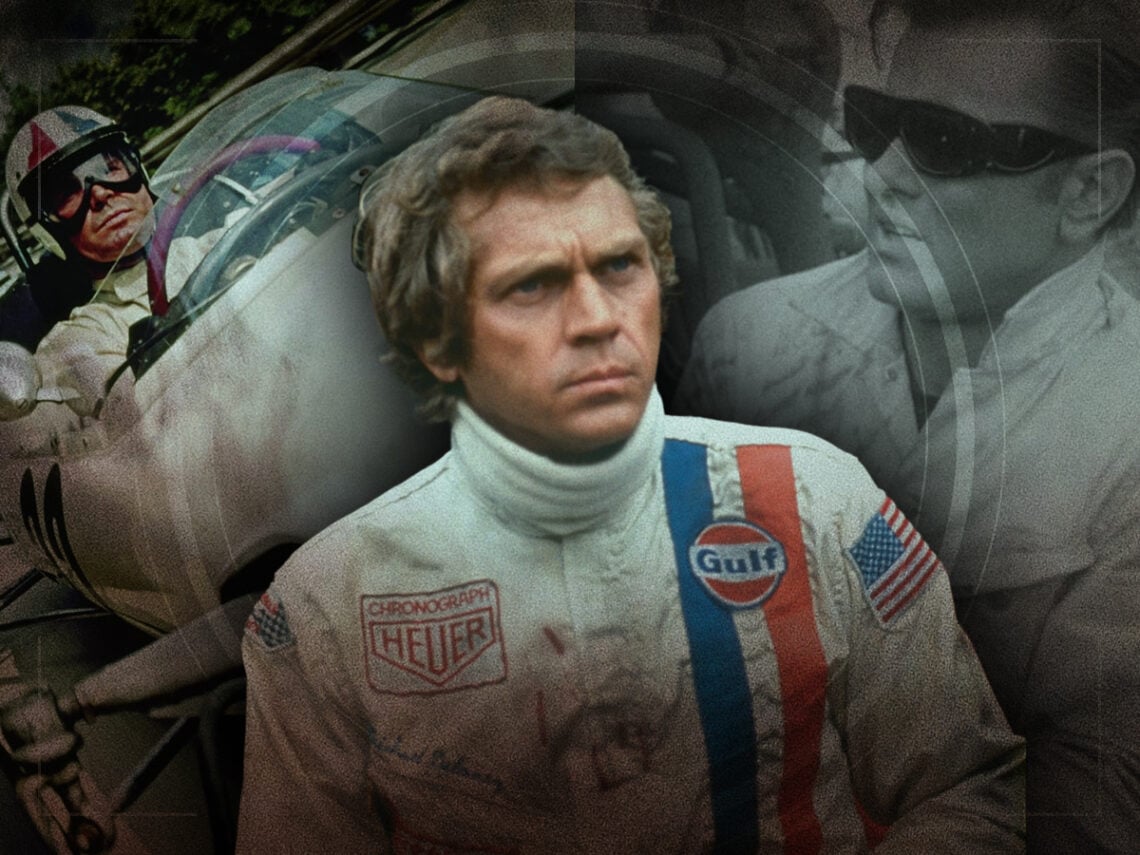
Five motorsport movies that are better than ‘F1’

Now that the dust has settled on another ‘awards season’, it is easier to look back on certain films and projects and acknowledge that they perhaps weren’t as great as we were led to believe, as in the case of Joseph Kosinski’s F1.
For the uninitiated, F1 sees Brad Pitt star as an ageing Formula One driver who, after suffering an apparently career-ending crash back in the 1990s, has embraced other avenues of motorsport glory – including the 24 Hours of Daytona. In typical Hollywood fashion, though, Pitt returns to F1 and, expectedly, triumphs, albeit after a few learning curves. Credits roll, Academy Award nominations roll in, end of story.
With those accolades, including both its nomination for ‘Best Picture’ and win for ‘Best Sound’, both at the Oscars and Baftas, it is difficult to dispute the fact that F1 is, in essence, a decent film.
As far as motorsport fans are concerned, though, the film tends to fall short in a few ways. In an understandable need to bring in mass audiences, the already too-long film spends a painful amount of time overexplaining simple concepts that any passing fan of the sport would already be well aware of – never mind Pitt’s character himself.
In doing so, F1 arguably fails on both accounts, not bringing much in the way of appeal to those not already interested in Formula One, and failing to appease an already petrol-headed audience at the same time.
On the whole, F1 is a rather obvious Hollywood-ification, not just of Formula One but of motorsport as a whole, which is perhaps no surprise given how underutilised and underrepresented motorsport is in mainstream film.
Looking back across the history of that often forgotten genre, though, there are a multitude of hidden gems, all of which do a better job at tackling the sport than F1. Here, we have compiled a short list of five particular stand-outs, not just in an effort to tear the Brad Pitt film down, but to lift the entire genre up.
Five motorsport movies that are better than F1:
‘Kid Auto Races at Venice’ (1914)
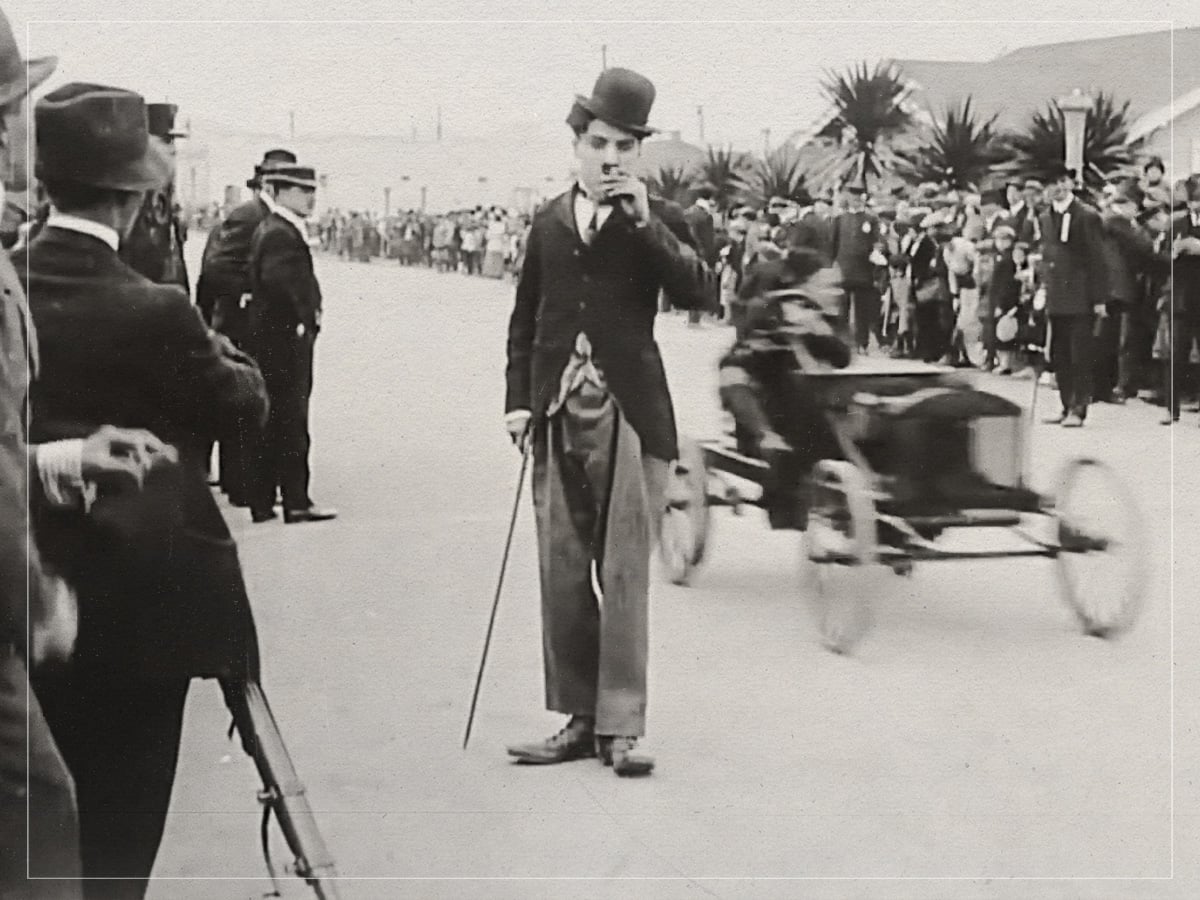
Clocking in at just under six-and-a-half minutes, this short film from over 100 years ago is certainly a lot easier to sit through than F1, even if its credentials as a “movie” could certainly be disputed. In addition to providing the first-ever appearance of Charlie Chaplin’s ‘Little Tramp’ character, and thereby marking an essential moment both in the history of film and of comedy itself, Kid Auto Races at Venice also captures an often forgotten period in motorsport – namely, one without motors.
Filmed on location in Venice, California, the film sees Chaplin’s character interrupting a newsreel-style broadcast of a soapbox race, the Junior Vanderbilt Cup, an engine-less incarnation of the prestigious and pioneering Vanderbilt Cup, which was the first major trophy in American motorsport, and actually pre-dates the first Grand Prix.
While it might not have the roaring engines (or, for that matter, any sound whatsoever) or impressive cinematography of F1, there is a definite charm to Kid Auto that captures that early period in motorsport history.
‘Le Mans’ (1971)
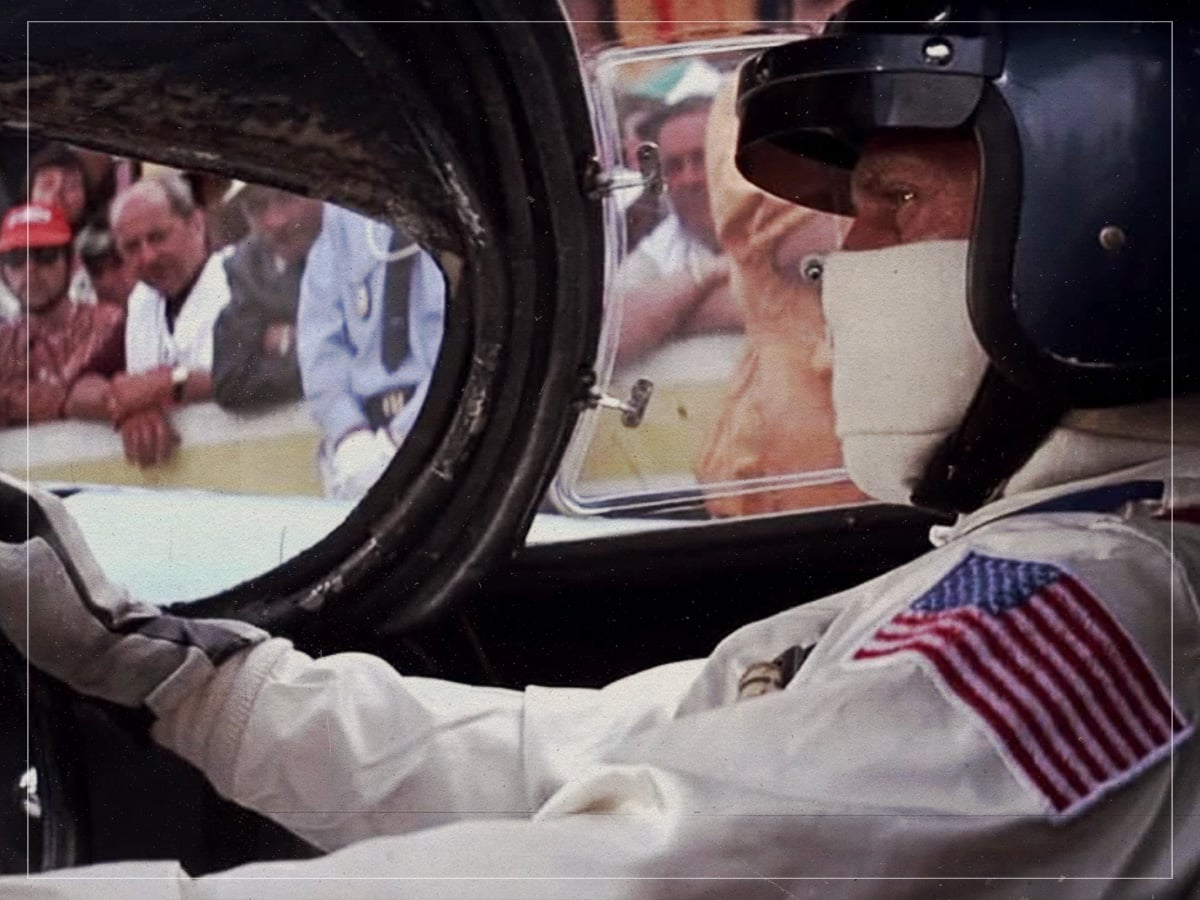
One of motorsport’s all-time defining movies, Le Mans stars the effortlessly cool Steve McQueen as an American enduring racer competing in the legendary 24 Heures du Mans race in the titular French city – a race which was more recently translated onto screen in the admittedly watchable Ford v Ferrari.
It is easy to see the debt that F1 owes to Le Mans, particularly for its pioneering and utterly beautiful cinematography, much of which was filmed on location at the real-life Le Mans race in 1970. In terms of narrative, though, this early 1970s effort leaves more than a little to be desired, with its strange romantic subplots and McQueen’s never-too-convincing guilt over his role in the death of a former racing rival often feeling rather forced.
Nevertheless, the sight and sound of the film is enough to transport the audience to that legendary race, with all its grit, oil, and determination – captured in the cinematography of René Guissart Jr and Robert B Hauser – making up for that lack of depth and reported multitude of on-set issues with McQueen throughout the production.
‘Pit Stop’ (1969)
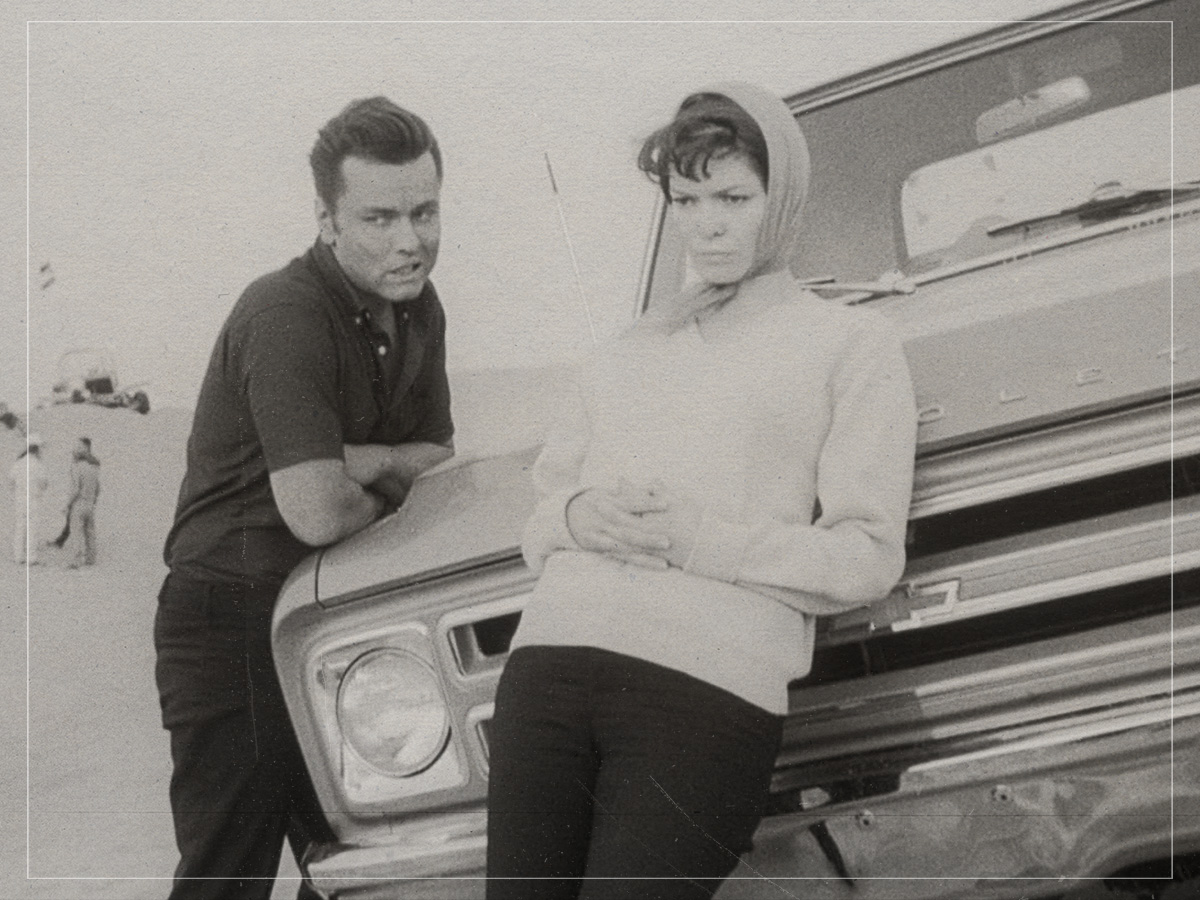
Without the immense budget of F1, or the star-studded cast of Le Mans, Pit Stop is a fitting representation of the underdog nature of the stock car racing it hones in on. Written and directed by master of the exploitation genre Jack Hill, and following his bizarrely endearing Spider Baby a few years before, the film sees a plucky underdog driver named Rick become a champion of figure-eight stock car racing – think Nascar with more of a demolition derby aspect – at the cost of the life of one of his teammates.
While Pit Stop was never made to court the attention of ‘The Academy’, it is an unsuspectingly compelling watch which feels fittingly low-budget and rough-around-the-edges for the type of motorsport that it so perfectly reflects. Aside from Nascar, stock car racing rarely sees itself represented on the silver screen, with one of the only other contenders being a handful of scenes in Made In Britain, so Pit Stop can surely claim the title of being the definitive stock car flick.
‘Cars’ (2006)
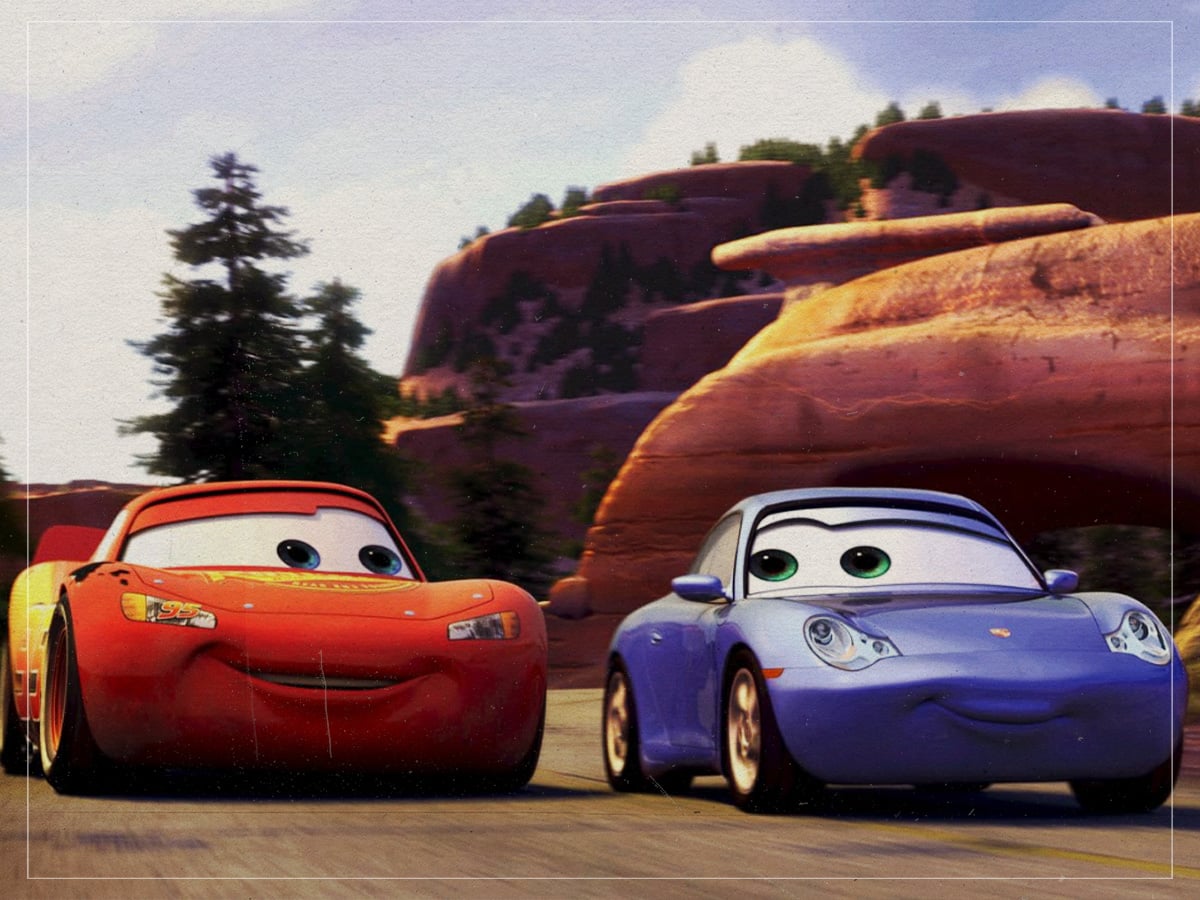
Yes, it is a children’s film, yes, it features anthropomorphic cars, and yes, it was made with the express intent to sell merchandise, but that doesn’t make this Pixar classic any less of a motorsport masterpiece. In addition to spawning an entire generation of pistonheads and introducing countless young people to the allure of Nascar, Cars is also awash with Easter eggs and inside jokes that are specifically tailored to motorsport fans.
Not only does the film feature cameos from legendary racers like Richard Petty, Michael Schumacher, David Hobbs, and a multitude of F1 drivers over the course of the trilogy, but the initial instalment is also an excellent encapsulation of car culture in the United States.
Whether in paying homage to the pioneering race wins of the Hudson Hornet via Doc’s character, Lightning McQueen’s Nascar origins, or the endurance of lowrider culture in Ramone’s character, Pixar certainly did their due diligence when it came to creating the perfect motorsport movie, and it shows.
‘Grand Prix’ (1966)
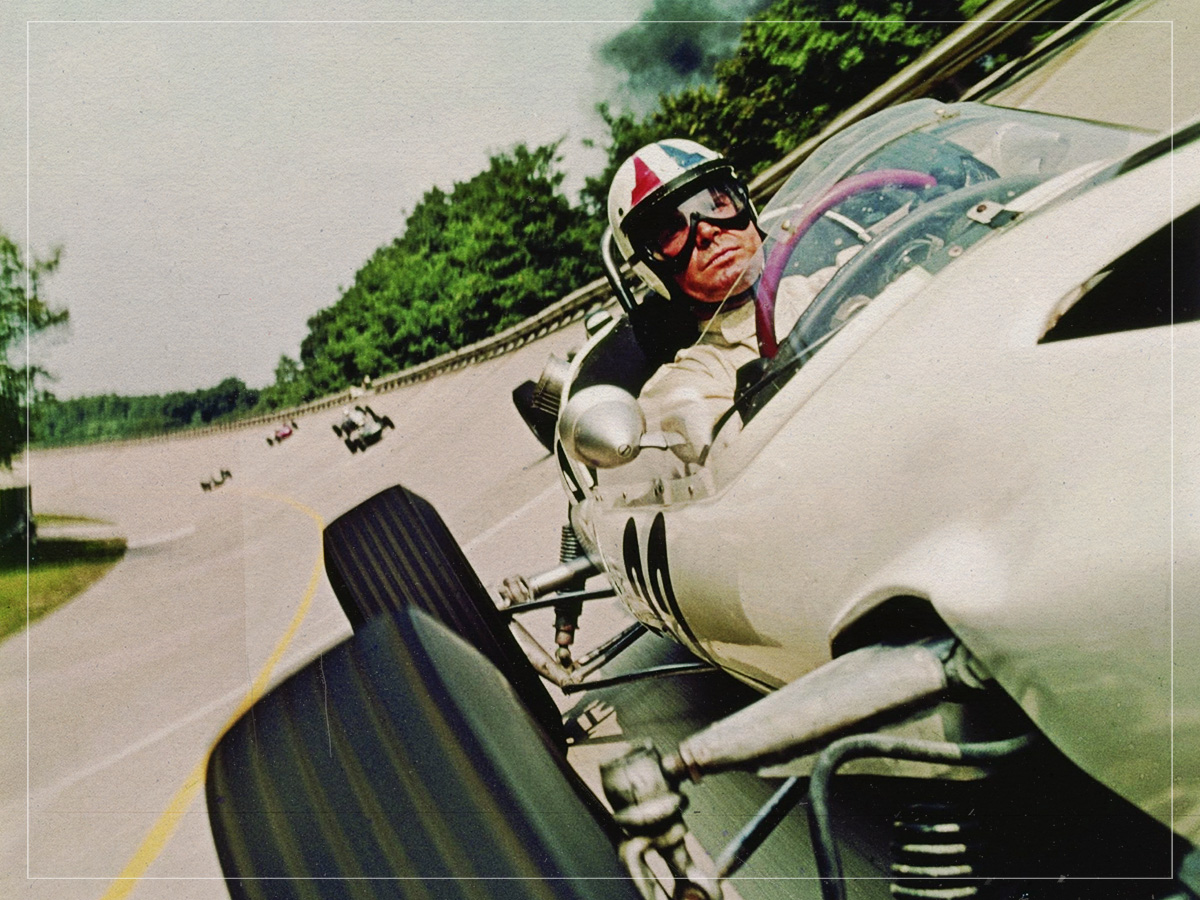
Brad Pitt is, inevitably, far from being the first actor to portray a Grand Prix driver, given that the sport has roots going all the way back to 1906. Back in 1966, though, the sport found its definitive movie in the form of the aptly named Grand Prix, directed by John Frankenheimer and with an ensemble cast including, among others, French ye-ye vocalist Françoise Hardy.
Along with that incredible cast, the film also featured appearances from real drivers, including Graham Hill, Jim Clark, and Juan Manuel Fangio.
With its pioneering use of Super Panavision 70 filming, Grand Prix became the motorsport movie that all future motorsport movies attempted to emulate the filming style of, including F1. Its racing scenes are unparalleled in the quality of their cinematography, and the Formula One-fueled story, centring around two Ferrari drivers and two drivers for the now-defunct BRM team, this film has the narrative to back up that beautiful filming, too.
