


The most violent movie Tony Scott had ever seen: “Absolutely brilliant”

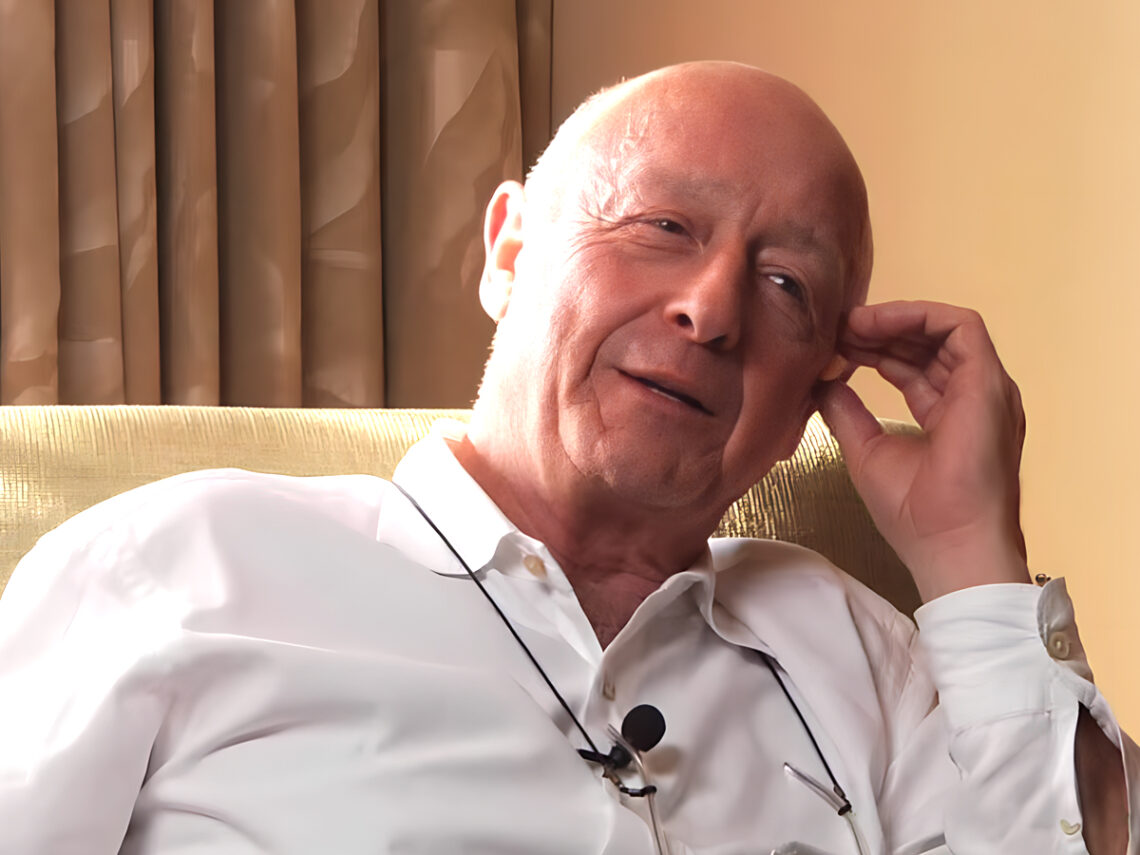
The smiling Geordie director Tony Scott lived his life under a constant baseball cap and very much on the edge. “The biggest edge I live on is directing,” he once said. “That’s the most scary, dangerous thing you can do in your life.” This sense of flirtation with thrills permeates works such as the 1986 sensation Top Gun and the 1993 crime film True Romance.
He was a prolific and talented director, and his other efforts included the sequel to Beverly Hills Cop and 1995’s submarine thriller Crimson Tide. As these examples show, many of Scott’s films featured violence to varying degrees. Danger and fear were part of his creative process, adding beautiful vitality to the works themselves. His popcorn productions led to popcorn cinema of the highest order.
Violence, in general, is something that Scott was never against putting to film, saying during an interview for Chud that “if there’s violence in a film, that’s fine as long as it’s done well”. Scott’s opinions on violence may have been controversial in the early days of the film industry, but by modern standards, they are somewhat tame.
The extensive use of violence in film wasn’t unheard of before, with films such as The Texas Chainsaw Massacre going as far as to be banned in certain territories. However, thanks, in part, to the increasing popularity of gory slasher films, violence in cinema steadily became more mainstream, with filmmakers such as Quentin Tarantino not being afraid to splatter the screen with blood and guts.
Violence “done well” is a highly subjective topic, but for Scott, the Korean film Oldboy was a shining example of just that. Scott explained that the film, which was one of his favourites, “is possibly the most violent film I’ve ever seen. Absolutely brilliant.” Directed by Park Chan-wook and released in 2003, Oldboy is a notorious action film that remains cinematic throughout while being, as Scott pointed out, incredibly violent.
Despite its use of extreme violence, Oldboy doesn’t feel overwhelmingly gory once the curtain falls and you’re left to reflect on the action. At its core, the film delves into the unforgiving depths of the human heart and the burdens we carry throughout our lives. The violence serves to capture the brutality of existence, mirroring the harsh realities we often face. Our psyches are far from gentle, and the film’s visual intensity reflects this inner turmoil, making the brutality a poignant part of its narrative rather than a mere spectacle.
This sentiment is just one perspective on the tasteful use of violence in film, but it’s one that’s eloquently put and, when connected to Scott’s love of Oldboy, seems to be in line with Scott’s own opinions on the matter.
Scott’s opinions on violence were not surprising, considering he directed the star-studded True Romance in 1993, a film written by Quentin Tarantino and Roger Avary. Tarantino, in particular, is a well-known and outspoken advocate of violence in film. True Romance tells the story of a young man who becomes entangled in a world of drugs, prostitutes, and the mob, and the narrative is rife with violence. One of the most memorable scenes involves the protagonist shooting a man in the genitals before killing both him and his colleague, showcasing the film’s unapologetically brutal approach.
Of course, Tarantino would later surpass the violence of True Romance in his own directorial works, but Scott’s commitment to the film’s graphic violence helped maintain its thrilling and unpredictable pace. After his 2005 interview with Chud, Scott went on to direct several more films, including Déjà Vu in 2006, The Taking of Pelham 123 in 2009, and his swan song, Unstoppable, in 2010. The influence of Oldboy can certainly be seen in Scott’s final directorial efforts, though he never resorts to mere imitation, instead infusing his own distinctive style into each project.
