


The most mysterious voice in music, according to Donald Fagen

In today’s world, being mysterious as an artist most consistently equates to being offline. No social media posts, no brand deals, no cringey advertisements with kitsch, blow-up palm trees in the back of the frame. But back in Steely Dan’s day, Donald Fagen knew an artist had to, paradoxically, give more to show less.
In 1972, Fagen and Walter Becker released their debut album, Can’t Buy a Thrill, under the name Steely Dan – the pair met at Bard College in New York, and bonded almost instantly over two things: Irony and jazz, and though they had entire jazz histories to sift through and obsess over, there was a single artist they kept returning to in a clandestine cycle of awe.
Ray Charles lost his sight at the age of seven ot glaucoma; perhaps this goes some way in explaining his ineffability, in the way that his soul could never be dragged wayward by the vibrant, enticing vices of the world of the rich and the famous. As well as being specifically influenced sonically by the 13-time Grammy Award winner, Fagen was drawn to his enigmatic aura.
In 2006, he told an interviewer, “I think Ray Charles was one of the most mysterious people ever. Just watching him, the way his body moves – for a kid from New Jersey to see that kind of passion, that was really revelatory for me.”
Fagen touched upon the mysterious figure in the run-up to the release of ‘What I Do’, a song taken from his 2006 solo album, Morph the Cat; the single is “A conversation between some younger version of myself and the ghost of Ray Charles,” the musician succinctly posited. This goes some way in explaining the distance between himself and his hero, and his attempt to build an unbreakable linkage between them.
Partway through the lyrical exploration, Fagen’s haughty Charles has some telling advice: “He says, ‘Don, don’t despair, take some time, Just find your bad self, you’re gonna do just fine’,” the funk-splashed, light-footed track admonishes.
Fagen’s explanation of Charles influence continued with early reminiscing about the time he came across the star: “At that point, I was living in the suburbs, and even though I was a jazz fan when I was very young, and used to hearing passionate performances on records, the general tendency of jazz in the Fifties was cool, so seeing Ray Charles, who had that much gospel in his style, you could tell he was utterly authentic.”
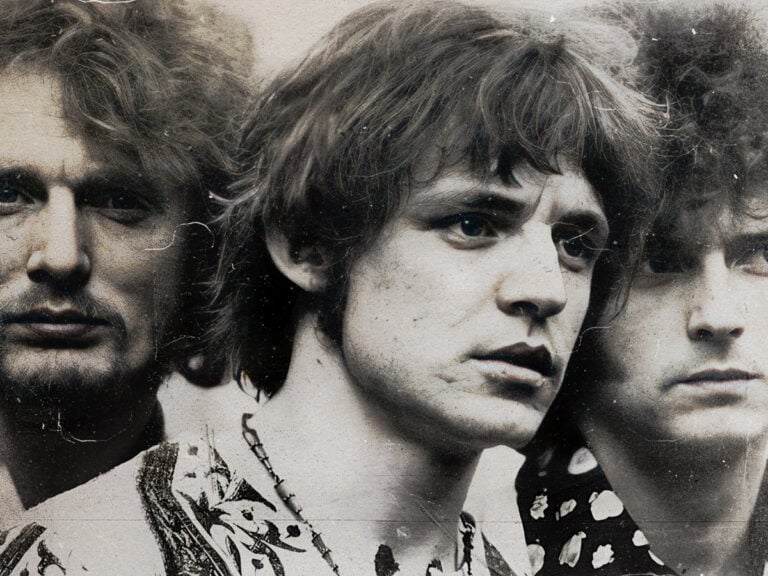


Fagen, of course, would take this lesson of authenticity ever forward with him, and though his music boasts a polished, sophisticated production, beneath smoky vocals, Fagen’s own artistry can be described as “mysterious” in a way separate from Charles’ embodiment of the discipline: the Steely Dan co-founder writes often character-driven songs that fuse astute observations with sardonic, satirical sequiturs.
These cryptic, but critically acclaimed, lyrics point to a mysterious inner world that Fagen undoubtedly shares with the jazz hero, and with that in mind, I leave you with the words of the master, Charles: “What is a soul? It’s like electricity – we don’t really know what it is, but it’s a force that can light a room.”
