


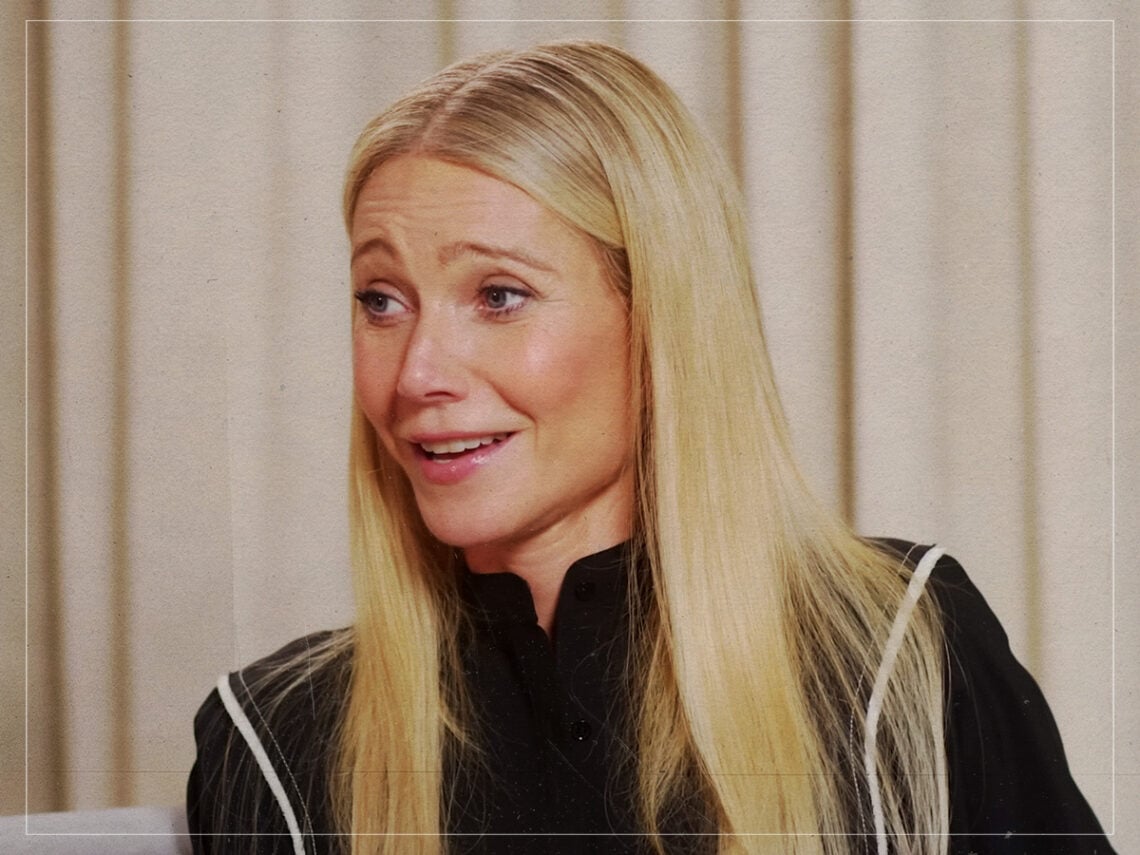
The most important star in modern Hollywood, according to Gwyneth Paltrow: “She was that person”

It’s a fact that the world is still geared towards men. Gender inequality exists at every level, from the persistent pay gap to gaps in medical research, but in the world of art and culture, it’s especially visible. Glass ceilings are everywhere, and in Gwyneth Paltrow’s view, there is one woman in particular who deserves credit for breaking through them.
Where to even begin with attempting to explain the unequal terrain of the movie-making world? I could start with the sickening issue of age, where Hollywood will quite happily have a 17-year-old woman play the romantic counterpart to a 50-year-old man, but once a woman herself hits her mid-30s, she’s struck out of the running for your typical romantic lead part.
“The shelf life of actresses when I first came on the scene was about five years,” Cate Blanchett said of Hollywood, as the expectations piled onto a woman’s age and appearance chase actors out of the industry too soon, thanks to its obsession with youth. It seems that while male actors age into more mature and respected roles, women fall into playing simply mothers, witches and some other spinster-style roles that aren’t as inspiring.
“There’s definitely less good roles for women my age,” Kirsten Dunst said, revealing that it actually prompted her to take a break from working as she was tired of being offered “the sad mom” role once she was no longer a teenager.
That’s one of the many, many problems. It doesn’t even cover issues like the sexual exploitation the Me Too movement attempted to tackle, or the enduring issue of pay inequality between male and female leads, or the fact that women are still underrepresented in behind-the-camera roles, like cinematographers or even directors.
But for Paltrow, there was always one other issue. One prevailing attitude that has continuously held women in the industry back. It was a belief that kept women from being bosses, from being outrightly driven or even from managing their careers with the same ferocity that their male peers could. Hollywood didn’t want to see a woman making money moves or striving for bigger things. Just as general gender stereotypes cast women as more meek and in need of guidance, the world of movie-making wanted their female performers to be the same.
Until someone changed that, and to Paltrow, that someone was Demi Moore.
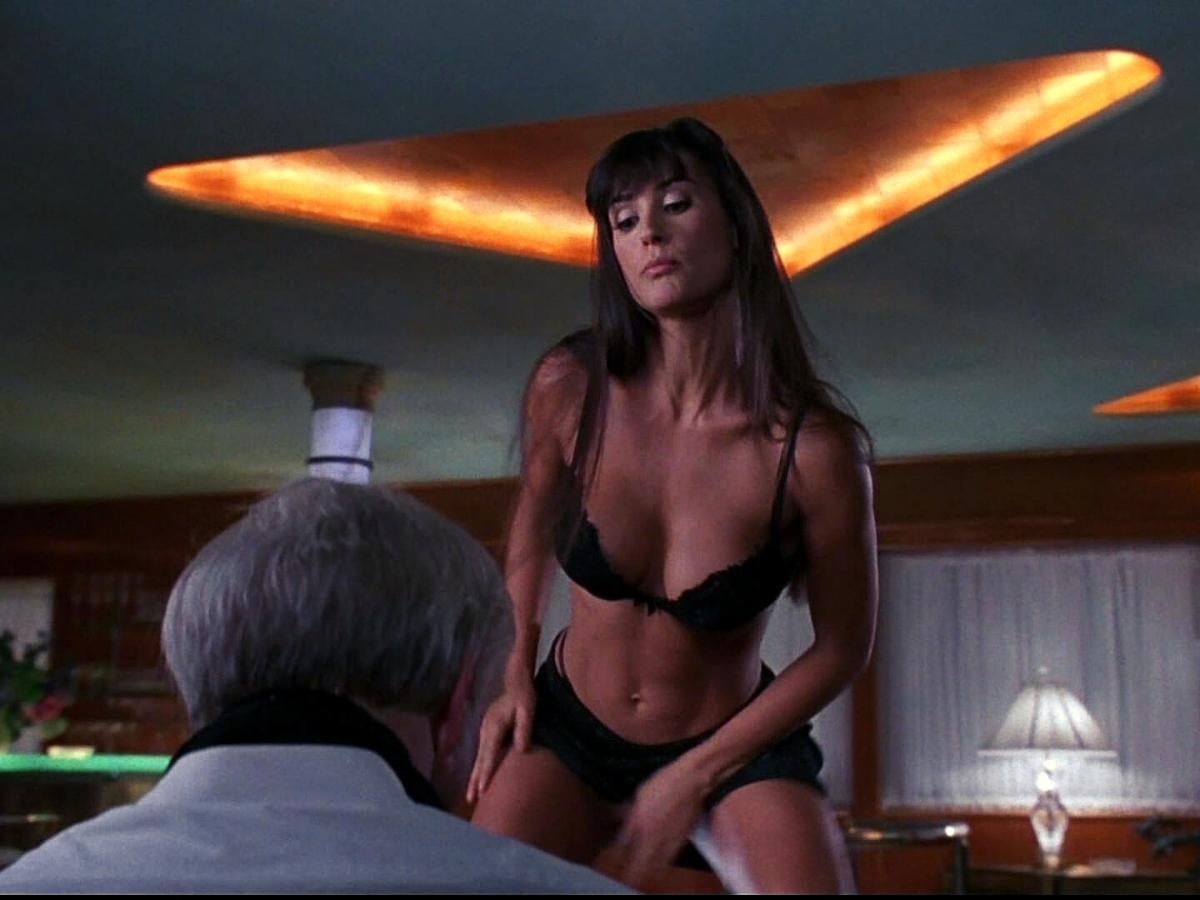
In 1996, Moore became the highest-paid woman in Hollywood. Though we hear stories all the time about completely eye-watering sums actors have received, Moore’s history-making number is actually shockingly low.
To put it into context, we only have to look at Moore’s own husband at the time. In 1999, Bruce Willis got a paycheque of $115million to star in The Sixth Sense. He struck a deal where he would get his salary, as well as a cut of the profits. Eventually, it all added up to that eye-watering sum, but already, his salary alone was $20m.
Moore, in what was the highest pay cheque cut for a woman in Hollywood history, earned $12.5m for Striptease. Yet still, that sum and that achievement led to her being mocked and painted in the media as a greedy money grabber, nicknamed ‘Gimme Moore’ rather than being celebrated for her achievements, as her husband was.
“They always say when you’re first through the thicket, you get all the scratches,” Paltrow said when contemplating the importance of Moore’s career, adding, “She was that person.”
“There are women now who have broken a $20 million-per-movie salary, and it’s not on the front page of anything,” Paltrow explained, but back then, Moore took the brunt. Breaking through that barrier, smashing the ceiling to allow women to soar higher, Moore took the scars but changed the game, ensuring everyone after her could rise.
Yet still, Moore never seems to get the respect she deserves. In 2025, Moore won her first-ever award despite being a vital part of the industry for decades. Despite her countless iconic roles and her part played in history, she was always underestimated as an actor, stating in her Golden Globes speech, “Thirty years ago, I had a producer tell me that I was a ‘popcorn actress.’ At that time, I made that mean that this wasn’t something I was allowed to have.”
She explained what that phrase meant, saying, “I could do movies that were successful, that made a lot of money, but I couldn’t be acknowledged. I bought in, and I believed that.”
But not only did The Substance finally bring about the awards recognition that Moore always deserved, but to her peers, like Paltrow, Moore deserves to be recognised as a true pioneer and hero. “It was a kind of movie stardom we hadn’t seen for a woman before,” she said, “Look at Julia Roberts, look at Sandy Bullock, all the way to today, to Margot Robbie—she cut a path for women to be remunerated properly for their work.”
