


Morris Day: the rival who almost toppled Prince

Prince‘s musical beginnings are rooted in Minneapolis, where the young musician set his guitar tracks to record for the first time with the band 94 East, and where he would produce his early demo tapes at Sound 80 Studio, all before the age of 20. But his first band, Grand Central, later renamed Champagne, formed while he was still in high school, alongside his childhood friend Morris Day.
Grand Central was conceived by Prince, André Cymone (who would join Prince’s touring band before embarking on a solo career) and Day, whose mother managed the band. Both Prince and Day were born in Minneapolis, six months apart, and would come up together, their relationship reflecting a sort of “frenemy” dynamic that would persist for decades. While Grand Central/Champagne would eventually dissolve, Prince was only scratching the surface of his greatness.
In 1979, he enlisted Cymone to play bass in his pre-Revolution band and, in October, his declaration of ‘I Wanna Be Your Lover’ on his first hit single would catapult Prince into infamy. Always one to lean into the provocative, his follow-up album, the bluntly-titled Dirty Mind, left little to the imagination, with his funk-driven new wave soundtracking explicit, salacious stories. One, ‘Partyup’, came about from a groove written by Day, a bass guitar riff and drum track, when he returned to Minneapolis after living in Maryland and California. Prince, liking what he heard, offered Day two options: money or a record deal. Day chose the latter, and soon, Prince established The Time, a funk rock band with Day as the lead singer.
Where Prince and Cymone set the foreground for the Minneapolis sound during their earliest collaborations, The Time cemented its influence in their melding of funk, R&B and new wave. Assembled from a formidable lineup of Minneapolis-based musicians (including Jimmy Jam and Terry Lewis, who would become one of the most legendary songwriting and production duos in music history), The Time achieved mainstream hits in the early 1980s, with hits such as ‘Get It Up’, ‘777-9311’ and ‘Jungle Love’. Yet, the band would always be positioned under Prince’s umbrella.
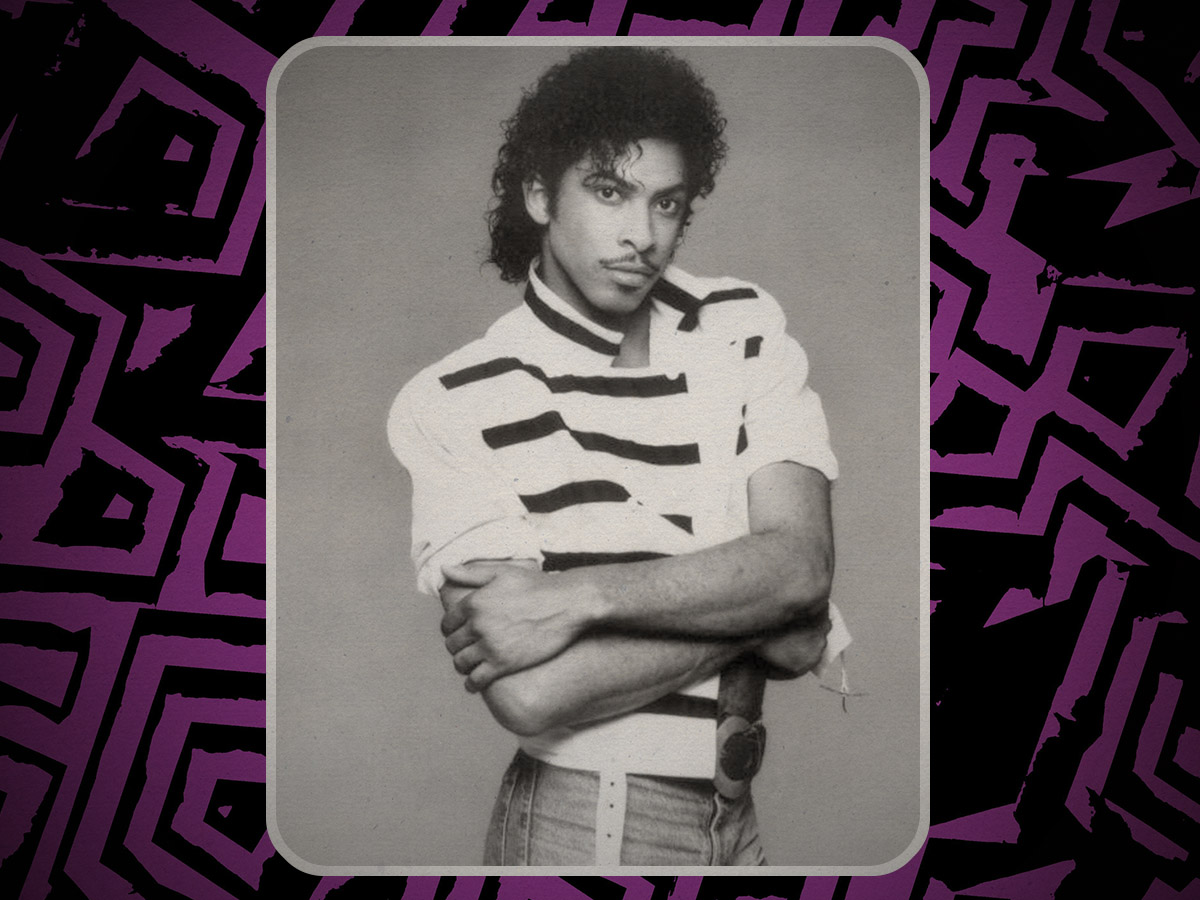
Their formation came from a clause in the singer’s contract with Warner Bros, which allowed him to recruit and produce artists for the label. The genesis of The Time, then, would allow Prince to continue making music that sonically aligned with his early material, while his solo career would house his experimental side. On The Time’s self-titled debut album, released in 1980, none of the musicians actually performed; Prince played all of the instruments himself, with credit to his alter-ego, “Jamie Starr”. Day, who was the only member to record his own material, was also credited, but with a caveat: he was required to follow Prince’s guide vocals note-for-note.
This was a seed planted in the tension between Day and Prince that would spawn a rivalry during their joint 1982 Controversy Tour. The members of The Time were at a crossroads: being Prince’s prodigies meant giving up creative control that they were not prepared to, resulting in a lack of input on their studio albums and being severely underpaid. In retaliation, they took the stage each night with the goal of outperforming Prince, and they delivered, their formidable precedent following into their next tour with Prince, 1982-83’s 1999/Triple Threat tour.
This rivalry would be immortalised in Prince’s 1984 film, Purple Rain. Prince plays The Kid, the frontman of his band, The Revolution, while Day plays a dramatised version of himself, the foe of Prince and frontman of The Time. Day portrays himself as a charismatic, comical nemesis, and he would revive the character in 1990’s Graffiti Bridge, a standalone sequel.
“It’s really about the rivalry between us and The Kid (Prince), who is the picked-on, felt-sorry-for hero,” Day explained to Select magazine. “But in the end, he gets the girl, and he beats us with a ballad. He changes our hearts and minds and makes us into good, church-going individuals with a song.”
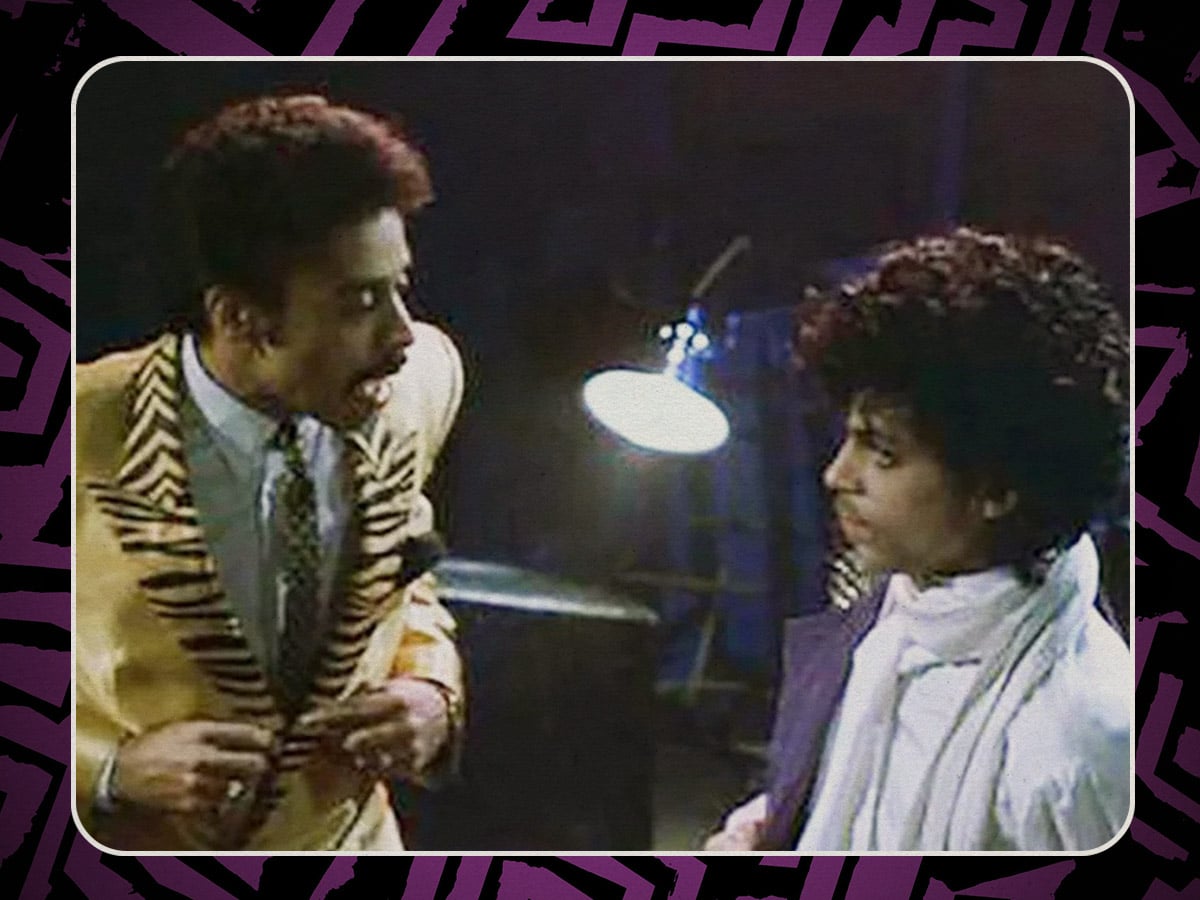
The Time split in 1985 and Day pursued a solo career, earning hits such as ‘Fishnet’ and ‘The Oak Tree’, but they would soon reunite to star and record in Graffiti Bridge, which led to the release of their best-charting single, ‘Jerk Out’. The group would disband again, with several members reuniting in the coming years, leading up to their revival as the Original 7ven.
In his 2019 memoir On Time: A Princely Life in Funk, Day frequently grapples with Prince’s methods of control over him and The Time, which reached a head when the singer called a meeting at Paisley Park estate. There, Prince asked the members of The Time to preach about becoming Jehovah’s Witnesses.
On a second meeting with Prince, the singer asked Day to convert to continue working together as musicians. “I had always known about Jehovah’s Witness, and I can’t hate on anybody’s religion, but I can certainly judge what’s for me and what’s not,” Day reflected to Forbes. “I was like, ‘That don’t sound like my kind of god. I can’t go there with you.’” Faced with the ultimatum, Day declined, and their working relationship faltered.
Day released his final solo album, Last Call, in 2022, though he continues to perform as Morris Day and The Time. His legacy is cemented in shaping the Minneapolis sound and his prolific songbook, a defining discography from the 1980s and beyond.
