


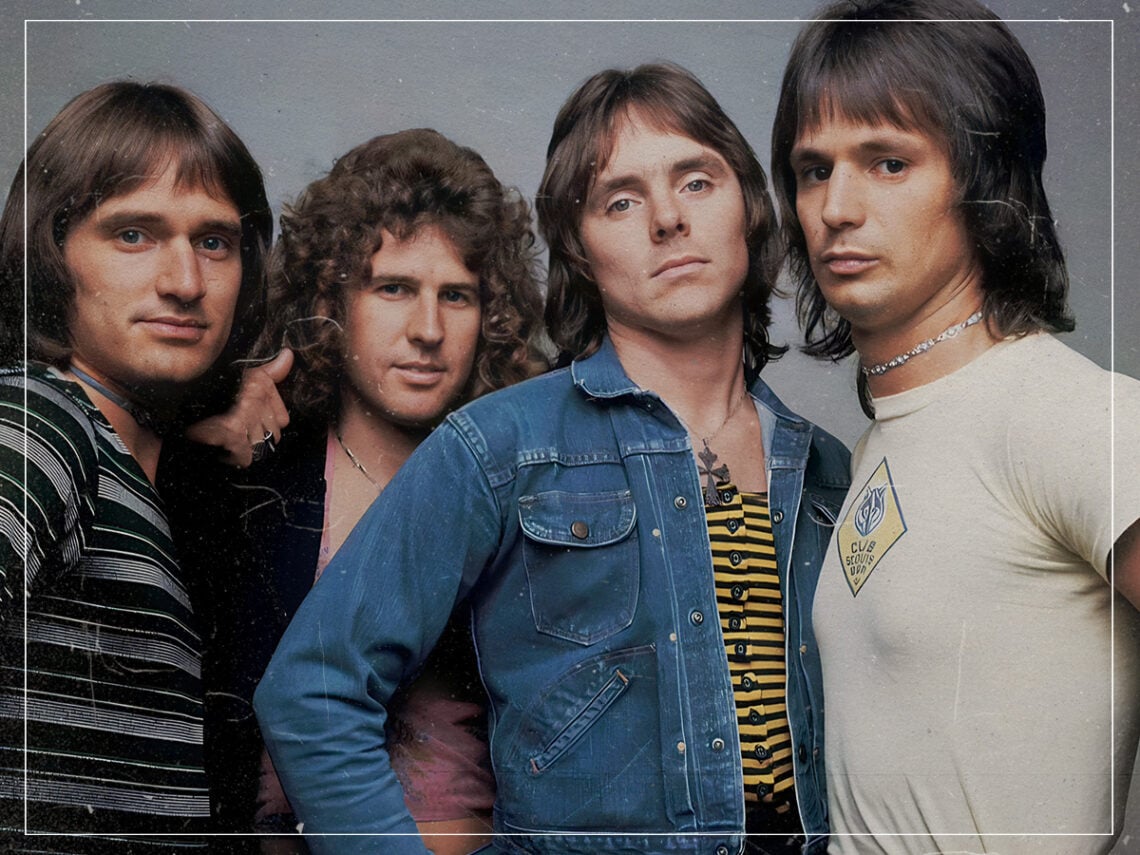
Montrose: The band Joe Elliott thought were deemed “poor man’s Zeppelin”

While not every band aspires to achieve the level of global fame experienced by iconic groups like The Beatles, some artists prefer to create music on their own terms, unconcerned with commercial success. Despite the allure of massive fan followings and sold-out shows, certain bands prioritise artistic integrity over mainstream popularity. Joe Elliott, for instance, believed that a particular rock act from the 1970s was unfairly pigeonholed by the music press.
From day one, though, Elliott always prided himself on having a vast array of different influences. Although Def Leppard may have been known as one of the leading figures in hair metal, Elliott was known to talk about any great song that seemed to come across his stereo, being as infatuated with ‘The Golden Age of Rock and Roll’ by Mott the Hoople as he was with ‘Crazy Horses’ by the Osmonds.
By the time Elliott started to put together his first bands, though, he was still indebted to the sounds of hard rock. Across albums like On Through the Night and High N’ Dry, many of the band’s classics seem to be extracted from artists like AC/DC and Led Zeppelin, albeit with a more tuneful sheen behind the vocals.
For all of the great anthems by David Bowie or Marc Bolan that came across his stereo, Elliott was also into the sounds of Montrose. Formed out of California in the early 1970s, the band’s debut record would remain an obscure highlight of the decade, with Ronnie Montrose’s signature blues-infused guitar tone roaring out of the speakers on songs like ‘Bad Motor Scooter’ and ‘Rock Candy’.
The album also marked the vocal debut of a young up-and-coming singer named Sammy Hagar. Years before he had joined Van Halen or started his solo career, Hagar had already proved himself as a worthy rock and roll singer on this album, cutting most of the songs for the album while still barely out of his teens.
As much as rock fans may have liked them at the time, Elliott thought Montrose never got the recognition they deserved among their peers. Even though the songs may not have had the same crossover appeal as artists like David Bowie, Elliott suggests that one of the leading detractors for the band came from one of their greatest influences.
When talking about Montrose to Louder, Elliott thought that the musical press unfairly compared them to Led Zeppelin, saying, “The negativity around the band was probably the only thing that stopped them from going places, and because people thought they were poor man’s Zeppelin. The album was very reminiscent of Zeppelin, but its production was bigger. It’s just a really good slice of American rock”.
Even though the band floundered on the charts, it wasn’t hard to tell that they would be going places in the near future. As Hagar began his solo career with songs like ‘I Can’t Drive 55′, producer Ted Templeman also became a fixture of the Los Angeles studio scene, working his magic for the first Van Halen record. While Montrose may have been passed over in their time, there’s a good chance that Elliott would have sounded a lot less gravelly if he hadn’t listened to Hagar’s pipes on this album first.

Never Miss A Beat
The Far Out Led Zeppelin Newsletter
All the latest stories about Led Zeppelin from the independent voice of culture.
Straight to your inbox.