


‘Mommy’: a sorely overrated classic

Strained parental relationships have been at the forefront of our minds and the focus of cinema for many years, with everyone from Paul Thomas Anderson to Gus Van Sant making films that put their daddy issues on full display. Whether it be the quick escalation from a serene road trip to a screaming match in Lady Bird or the devastating final sequence to Aftersun, the people who try (and sometimes fail) to raise us are painted through several colourful lenses on the big screen, approaching the failings and sensibilities of our parents with both nuance, spite and utter perplexity.
While some filmmakers choose to examine their early experiences through rose-tinted glasses, there are others who opt for frankness and honesty when putting their own childhood under the microscope. For instance, directors Mike Mills and Céline Sciamma centre their work on the perspective of young people and not sugar-coating the implied darkness of the adult lives around them. They touch on the nostalgic yet bittersweet memory of being vaguely in tune with the grown-up world but distinctly out of the loop, somehow still aware that there’s a force larger than you can comprehend just out of sight.
However, there is perhaps no one more expository of their tangled parental relationships than Xavier Dolan—the wunderkind Canadian director who is unexpectedly revealing about his disturbing relationship with his mother, making it an all-consuming theme in his work, no matter how hard he tries to stray away from it.
I Killed My Mother was Dolan’s debut feature film, with the filmmaker both writing, directing and starring in the project at just the age of 20. The film was met with glittering praise and standing ovations from audiences at Cannes (although it feels as though everyone at the festival spends an awful lot of time clapping for no reason). It earned him critical acclaim, sparking simultaneous intrigue and concern from his viewers. Dolan places his strained relationship with his mother on the cutting board, honing in on the love-hate dynamic between them and the complexities of their bond. From this, film lovers and critics marked him as a bold and unflinching auteur, undeterred by public opinion and boldly exposing his vulnerabilities to fuel his work.
After a few years of less explosive stories, in which Dolan continued to act but steered away from the charged subject matter of his first film, the director eventually decided to embrace the weirdness he became known for one more time, returning to the subject matter that sparked and subsequently haunted his career. This led to the release of Mommy in 2014, and while many people describe it as being his definitive masterpiece, I strongly disagree.
In a similar vein to I Killed My Mother, Mommy follows the temperamental relationship between a mother and son, Diane and Steve. After the unexpected death of his father, Steve became prone to violent outbursts and extreme mood swings, with any perceived slight sparking fits of rage and blistering screaming matches with his mother. While their relationship is strained by Steve’s mental illness, she by no means treads on eggshells around him, with both becoming fiery and unrestrained in their confused expressions of love, fear and pain.
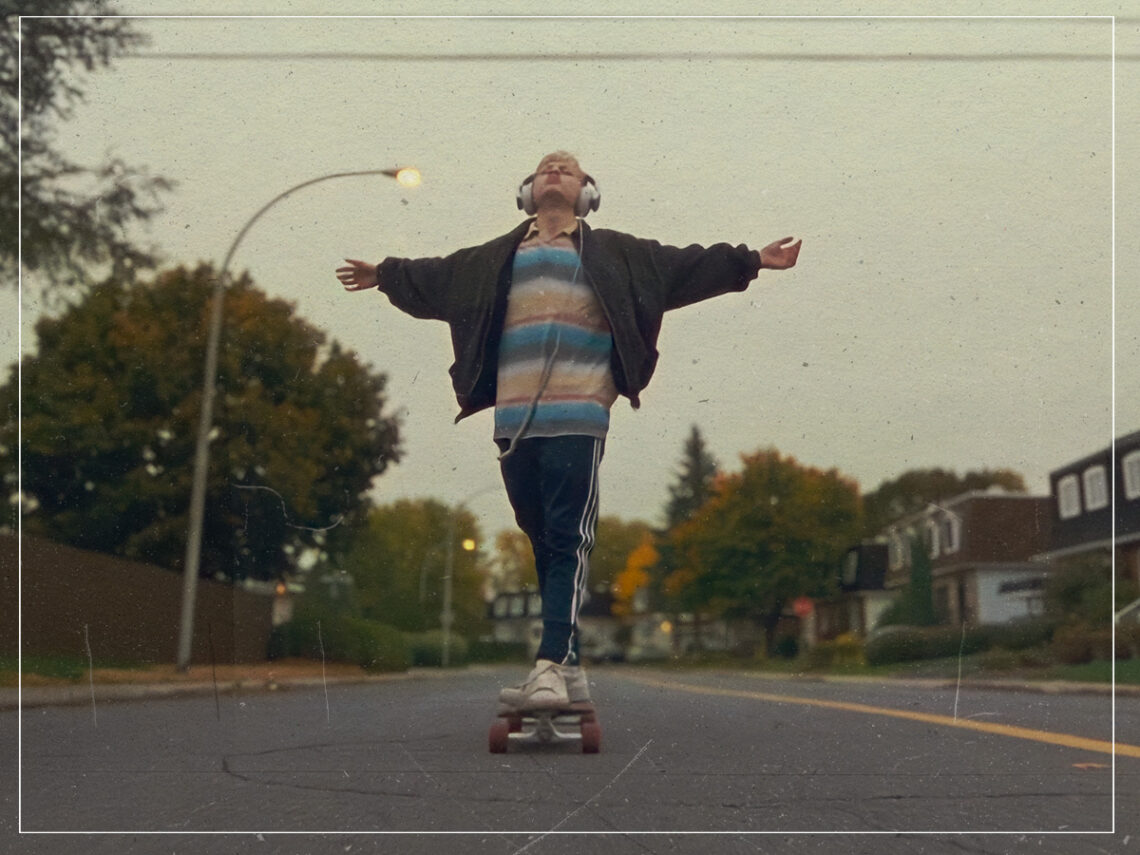
After premiering at Cannes, audiences became as feral in their adoration for the film as the central characters are for each other, with another round of intensified clapping as people praised Dolan’s creative visual techniques and explosive performances. The director was held up as the poster boy for cinema after one scene in which the character breaks the fourth wall by widening the aspect ratio with his hands, pushing the screen apart while ‘Wonderwall’ plays. It’s a trick that becomes repeated throughout the remainder of the film, with the widening and narrowing of the black bars representing the suffocating toxic cycle the characters are in and their inability to break free of this pattern.
However, while many people sing the praises of Mommy and cite it as Dolan’s best work, I watched it for the first time and found myself feeling underwhelmed by the film’s promised ingenuity. While the aspect ratio changes were certainly fun, I found the overall story to be lacking depth, with many red herrings and incomplete storylines abandoned in favour of visual tricks and montages.
Dolan relies on the shock value of the violence between the characters and the novelty of his visual techniques to pack a punch in Mommy, with the film under-developing the inner world of the characters. In particular, the character of Kyla finds Dolan vaguely alluding towards a hidden darkness in her marriage and past trauma with children of Steve’s age without fleshing this out in any way. He instead opts for shock value through the scene in which she attacks him in retaliation to his childish taunting.
Mommy instead evolves into a shallow bag of cheap tricks without any nuanced exploration of their relationship besides the idea that Steve has abandonment issues and unleashes this on his mother when he feels insecure or doubtful of her love for him. Instead of creating a detailed character study, Dolan instead opts for a glorified collection of montages and on-the-nose song choices. The use of Wonderwall is just one of many in which the audience watches Diane and Steve have a heart-warming interaction while an emotional piano ballad plays, serving as a cheap ploy to manipulate us into feeling something through a gimmicky and lazy trick.
The use of ‘Born to Die‘ by Lana Del Ray is a particularly cringy addition to the soundtrack, with Dolan leaning into obvious and stylised choices instead of anything that demands emotional intelligence. He wallows in this family’s repeated miseries without saying anything about their circumstances or how this connects to his bizarre opening concept, which appears to point towards a wider societal commentary before being swiftly abandoned.
Dolan has somehow established himself as one of the Cannes darlings and reigning cinematic provocateur, despite the fact that there is nothing daring about Mommy, existing as a hollow tale that disguises itself through gimmicky gags and tricks. While it’s fun to see Steve push the aspect radio with his hands, Dolan is not pushing the boundaries of filmmaking in any other way, and I can think of many other directors who have created far riskier and provocative films that actually contain messages of substance: from Titane, directed by Julia Ducournau, or up-and-coming Dea Kulumbegashvili and her recent film, April.
Perhaps Dolan will defy the trappings of his vapid style with his upcoming horror film, but until then, he remains in my mind as a glorified and massively over-hyped hack who would do well to put his mother issues to bed or perhaps seek therapy so he could explore them in a more nuanced way.
