


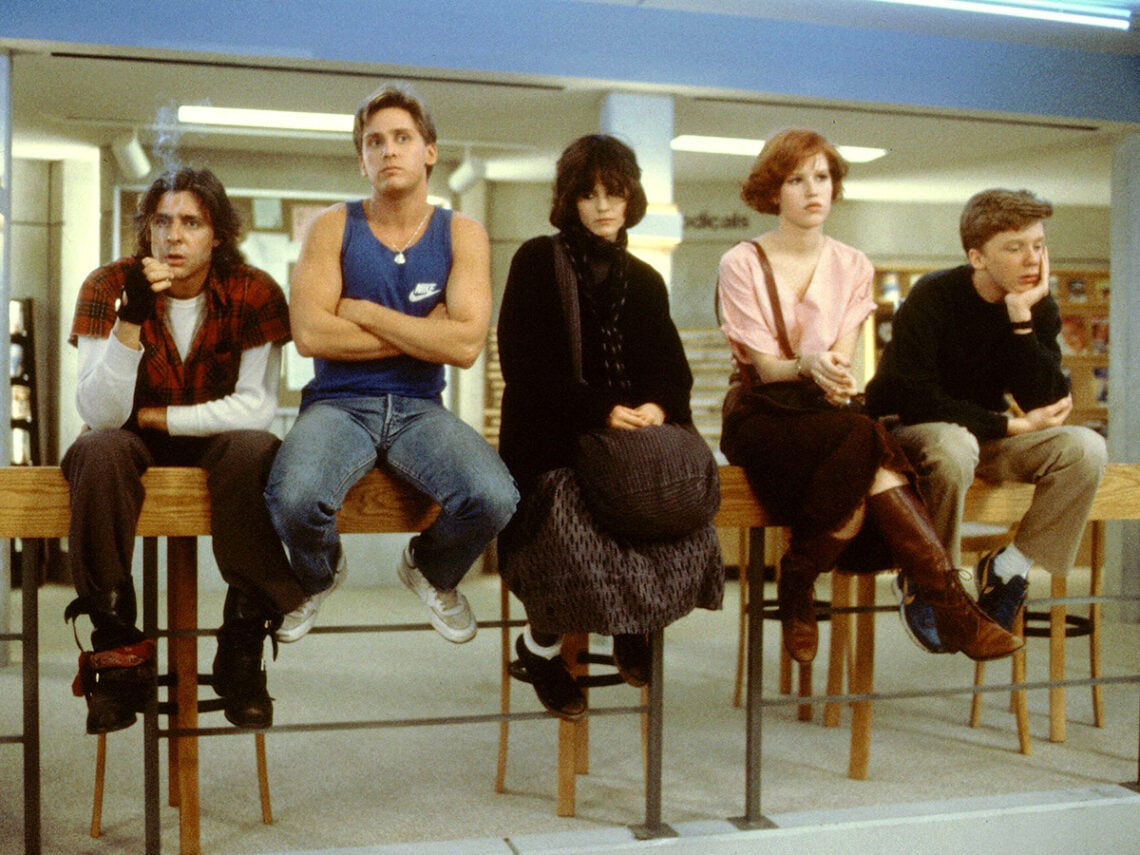
Molly Ringwald admits classic 1980s movie hasn’t “aged well”

Iconic 1980s actor Molly Ringwald has claimed that one of her most defining films hasn’t aged well. In a new interview with The Times, she reflected on rewatching The Breakfast Club today through our modern lens.
The mid-’80s film is perhaps the best-known and most beloved offering from John Hughes, a director who stormed ahead as a leader of the decade. With his recognisable cinematic style, quirky humour and interest in telling teenagers’ stories, films like The Breakfast Club, Pretty In Pink and Ferries Bueller’s Day Off made him a star.
Ringwald, in turn, was Hughes’ star. She starred in three of his films as the leading lady, coming to be one of the most defining faces of the era. However, when reflecting on The Breakfast Club especially, the actor said that some elements “haven’t aged well”.
“I don’t enjoy watching myself on screen. I only rewatched The Breakfast Club, which came out in 1985, because [my daughter] Mathilda wanted to see it with me,” Ringwald has now admitted to The Times.
At the end of the film, Bender and Ringwald’s character, Claire Standish, get together, but throughout, he continually pressures her about her virginity and looks up her skirt.
“There is a lot that I really love about the movie, but there are elements that haven’t aged well – like Judd Nelson’s character, John Bender, who essentially sexually harasses my character,” she continued.
Far Out‘s Aimee Ferrier reflected on the topic, writing, “There are so many other examples of Hughes’ rampant misogyny, homophobia and racism that it would take too long to list them all, which begs the question – should we still look back fondly at Hughes’ teen movies?”
For Ringwald, the answer isn’t a simple one. “I’m glad we’re able to look at that and say things are truly different now,” she continued, not shying away from reconsidering her old work through modern eyes and updated ethics and morals.
Ringwald previously penned an essay for the New Yorker in 2018, reflecting on The Breakfast Club in the MeToo era. In the piece, she explained her reluctance to pour scorn on the film, noting, “Even criticizing them makes me feel like I’m divesting a generation of some of its fondest memories, or being ungrateful since they helped to establish my career. And yet embracing them entirely feels hypocritical.”

Never Miss A Scene
The Far Out Film Newsletter
All the latest film news from the independent voice of culture.
Straight to your inbox.