


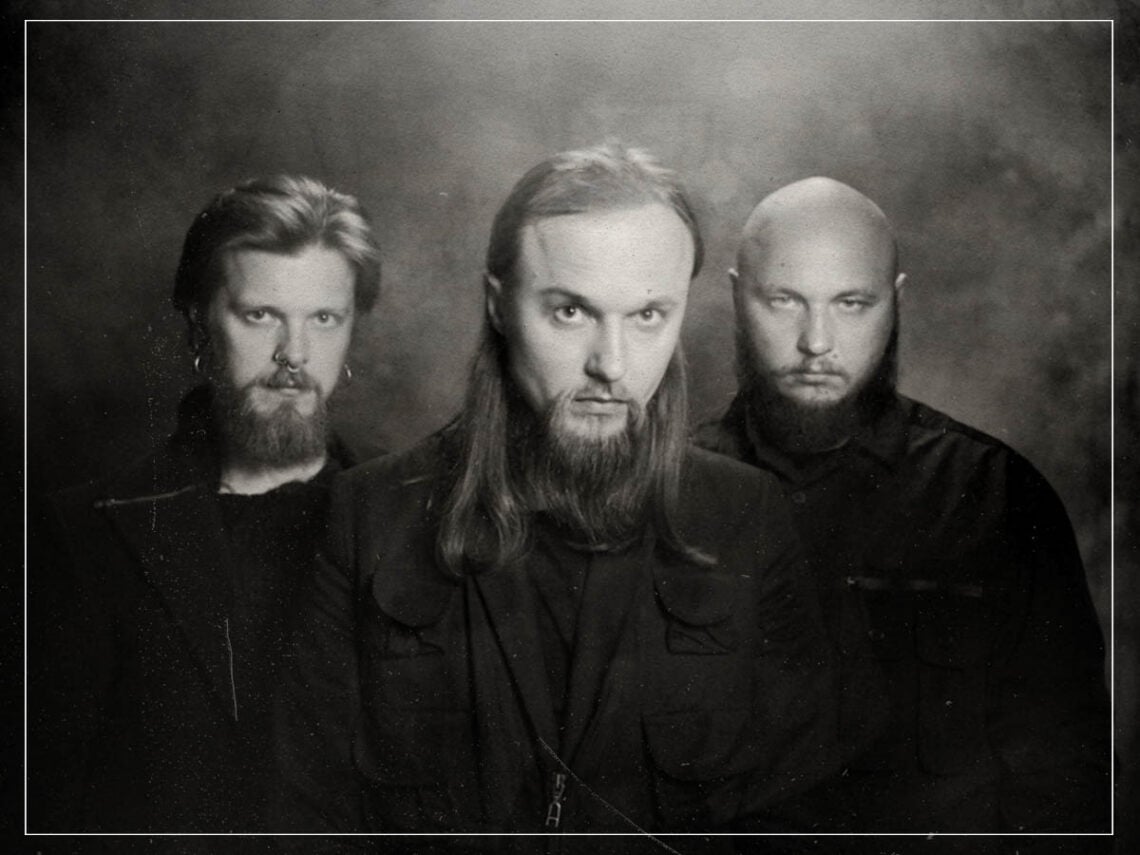
Molchat Doma – ‘Belaya Polosa’ album review: unkept promises of a new era for the Belarusian synth act

THE SKINNY: Cast your mind back to 2020, when the world was thrust into the darkness of a global pandemic and subsequent lockdown. For music fans, one glimmer of hope came in the form of Molchat Doma, whose album Etazhi was issued in the US for the first time mere weeks after the pandemic started. The Belarusian post-punk masters and their endearingly gothic brand of cold wave synth music provided a perfect accompaniment to that dark and dreary period. Four years on, Molchat Doma are still pumping out those dark, atmospheric soundscapes, but the effects have lessened somewhat.
When the trio first announced plans for their fourth studio album Belaya Polosa, they promised a complete reinvention of the band. Relocating from Minsk to the sunny streets of Los Angeles, the band gave the impression that this record would see them embrace more optimistic themes, incorporating influences of dance and even disco music. While these styles are hinted at on the album opener, ‘Ty Zhe Ne Znaesh Kto Ya’, these promises are quickly forgotten, as the band revert back to the distinctive sounds of their earlier records. For the vast majority of this album, Molchat Doma root themselves in the retro, dark synth music that, by this point, has become fairly dreary and uninteresting.
This album seems to be consistently stuck in the middle of a transition. The compellingly original sounds of the band’s early records have dissipated, but they seem reluctant to fully embrace a development in their sound. As a result, Belaya Polosa feels disjointed and sonically confused. It is difficult to imagine much thought was put into the order of songs, which flip-flops between the old style of the trio and this supposed new era to create a pretty uneasy listening experience. The monotone voice of Egor Shkutko acts as a guiding voice through the album, but the lack of diversity in his performance or the instrumentation which backs him makes listening to the album in full a disappointingly tedious process.
It is difficult to imagine who this album appeals to. It does not stick to the popular sound of the trio’s early records, but it does not fully develop into a new sound either. What’s more, its heavy reliance on 1980s synth music and gothic influences cannot help but elicit the question, “Why wouldn’t I just listen to Depeche Mode instead?” One of the very few noteworthy moments on this album comes with ‘Beznadezhnyy Waltz’, which acts as a good summation of the captivating cinematic soundscapes Molchat Doma is capable of creating, yet the rest of the album fails to recapture that feeling.
For fans of: Wearing a trenchcoat regardless of the weather, taking film photographs of city-centre car parks, and endlessly banging on about the joy of brutalist architecture.
A concluding comment from a therapist: “I’ve told you before, dark synthpop is not an effective way to deal with your emotions – regardless of what Dave Gahan might tell you.”
Belaya Polosa track-by-track:
Release date: September 6th | Producer: Raman Kamahortsau | Label: Sacred Bones
‘Ty Zhe Ne Znaesh Kto Ya’: The dark, brooding introduction to this song harks back to the sound of records like Etazhi, before delving into something distinctly more upbeat. Evoking the sounds of early 1980s Depeche Mode mixed with disco and dance music, the track promises a new era for Molchat Doma. [3.5/5]
‘Kolesom’: This largely instrumental dance-oriented track is, unfortunately, fairly forgettable. It is as if the band are attempting to change their sound, but are too worried to dive fully into a new period. The result, therefore, is pretty spineless and bland. [2/5]
‘Son’: Again, the band seem reluctant to fully move on from the sound of their early albums. While this song is not particularly bad, it offers nothing to the audience in the way of originality or sonic development. [2.5/5]
‘Belaya Polosa’: More atmospheric and downbeat than previous efforts, the album’s title song struggles to find a definite foothold, which is almost impressive for a track which is five minutes in length. For a title track and lead single, ‘Belaya Polosa’ is certainly at risk of becoming lost within the tracklisting. [3/5]
‘Beznadezhnyy Waltz’: This song could easily be featured on the soundtrack to some obscure, atmospheric horror film. Although it doesn’t necessarily fit in with the flow of the album, it is one of the band’s most interesting efforts when viewed in isolation. [3.5/5]
‘Chernye Tsvety’: At long last, Molchat Doma attempt to make good on the promise offered on this album’s opener. Seeing them once again adopt a more diverse and optimistic sound, ‘Chernye Tsvety’ is pretty refreshing at this point on the record. [3/5]
‘III’: An endearingly retro, synth-driven dance number that clearly takes cues from the early electronica of the 1980s. The dreary instrumental soundscapes finally seem to be behind us, and the upbeat retro rhythms are here to stay. [3/5]
‘Ne Vdvoem’: Disregard my previous comment, the dreariness has reared its head once more. Admittedly, though, this song is much more inventive and captivating than earlier efforts on the album, thanks largely to the diversity of the instrumentation. [3.5/5]
‘Ya Tak Ustal’: It is lucky Molchat Doma limited this album to ten tracks because, at this point, all these songs are beginning to merge into the same monotone menagerie of 1980s synth noises. [2.5/5]
‘Zimnyaya’: Regrettably, the predominant emotion elicited at the end of this record is one of relief. The lack of variety on this record makes it feel like something of a chore to get through, and the banality of the final effort does little to counteract those feelings. [2/5]

Never Miss A Beat
The Far Out New Music Newsletter
All the latest New Music from the independent voice of culture.
Straight to your inbox.