


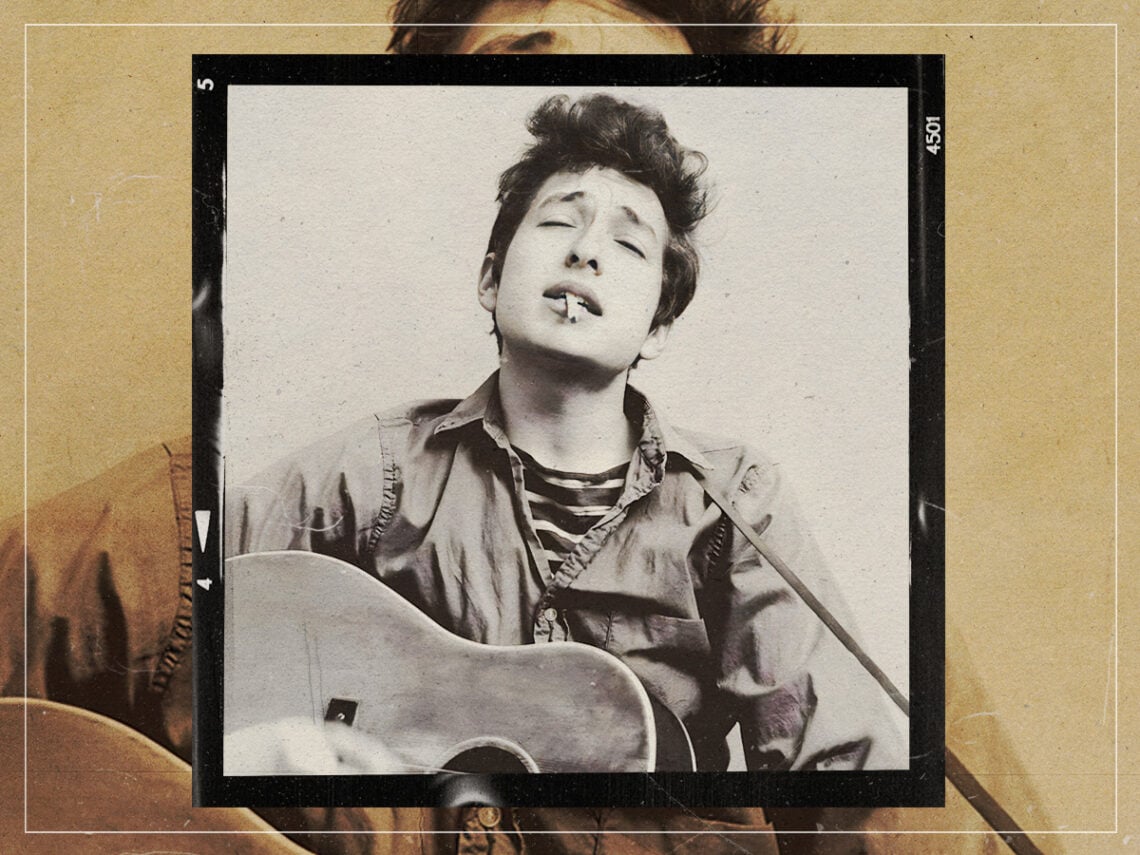
‘Midnight Special’: The first official recording of Bob Dylan

It is difficult to overestimate the impact of Bob Dylan on the landscape of modern folk music. After relocating to New York City during the early 1960s, the Minnesota-born songwriter almost single-handedly inspired a complete renaissance in folk music, leading to the vibrant singer-songwriter boom of the decade and paving the way for countless future songwriters and folk devotees. Before he became the global star that he is today, however, Dylan had been a gigging musician just like any other; he couldn’t afford to be picky about the type of music he played.
Throughout his extensive discography, Dylan has explored a vast array of different styles and genres of music, from gospel to blues-rock; genre conventions or parameters do not restrict the genius of his songwriting talents. Although his material during the 1960s was largely defined by a reimagining of folk standards and writing folk tunes which reflected the politically turbulent landscape of the period, he was not averse to other genres even back then. In fact, his first official recording, from back in 1962, saw him collaborate with Jamaican-American calypso artist Harry Belafonte.
At the time, Belafonte was working on a new version of the blues standard ‘Midnight Special’. With origins dating back to the early 20th century, the track had initially been popularised by legendary blues artist Lead Belly, who identified with its themes of prison and a yearning to be free. Reportedly, the song was inspired by a late-night train service which would arrive at Mississippi State Prison at dawn, often bringing visitors and a hope for freedom to prisoners.
Covered by a wide variety of artists over the years, Belafonte chose to take on ‘Midnight Special’ during the early 1960s while working and recording in his hometown of New York City. For his vocal cover of the blues standard, the artist and civil rights activist required somebody to play the harmonica. However, his first choice – the pioneering blues artist Sonny Terry – was unable to make it to the studio, so Belafonte had to improvise.
Speaking to Mojo back in 2010, the songwriter remembered, “It was supposed to be Sonny Terry, but he got grounded by a thunderstorm in Memphis and couldn’t make the date. My guitarist, Millard Thomas, said, ‘Well, there’s this kid I see all the time down The Village, and he does that whole Sonny thing…he sleeps and dreams it.’ So I said, ‘We don’t have a choice, I guess. Go find him.’” As fate would have it, that kid from The Village turned out to be a young Bob Dylan.
“This skinny kid appeared, and he had a paper sack with him full of harmonicas in different keys,” recalled Belafonte. “I played the song for him and he pulled one out of the bag, dipped it in water and played it through a single take, and it was great. I loved it. I asked him if he wanted to try another take and he said, ‘No.’ He just headed for the door, and threw the harmonica into the trash can on his way out.”
It was only years later that Belafonte found out these harmonicas were cheap and more-or-less disposable. However, the songwriter could never have predicted that this “skinny kid” would go on to become Bob Dylan, the harbinger of the folk revival and one of America’s defining songwriters. “I had admired him all along,” Belafonte once shared, “and no matter what he did or said, I was just a stone, stone fan.”
Although the sessions for ‘Midnight Special’ took place in February 1962, just over a year after Dylan first set foot in New York City, he had previously recorded with folk artist Carolyn Hester. Nevertheless, the Midnight Special album was released before these Hester sessions ever saw the light of day, meaning that Belafonte’s record goes down in history as the first officially released recording session of the great Bob Dylan.

Never Miss A Tale
The Far Out Bob Dylan Newsletter
All the latest stories about Bob Dylan from the independent voice of culture.
Straight to your inbox.