


‘Shoshana’ movie review: a confused and emotionless political thriller from Michael Winterbottom

As the intense conflict between Israel and Palestine continues, Michael Winterbottom’s Shoshana, set in 1930s-era Palestine, hits cinemas. Yet, his film feels completely devoid of emotion and appears to lack a firm stance on a complex, ongoing issue that has destroyed countless lives for decades.
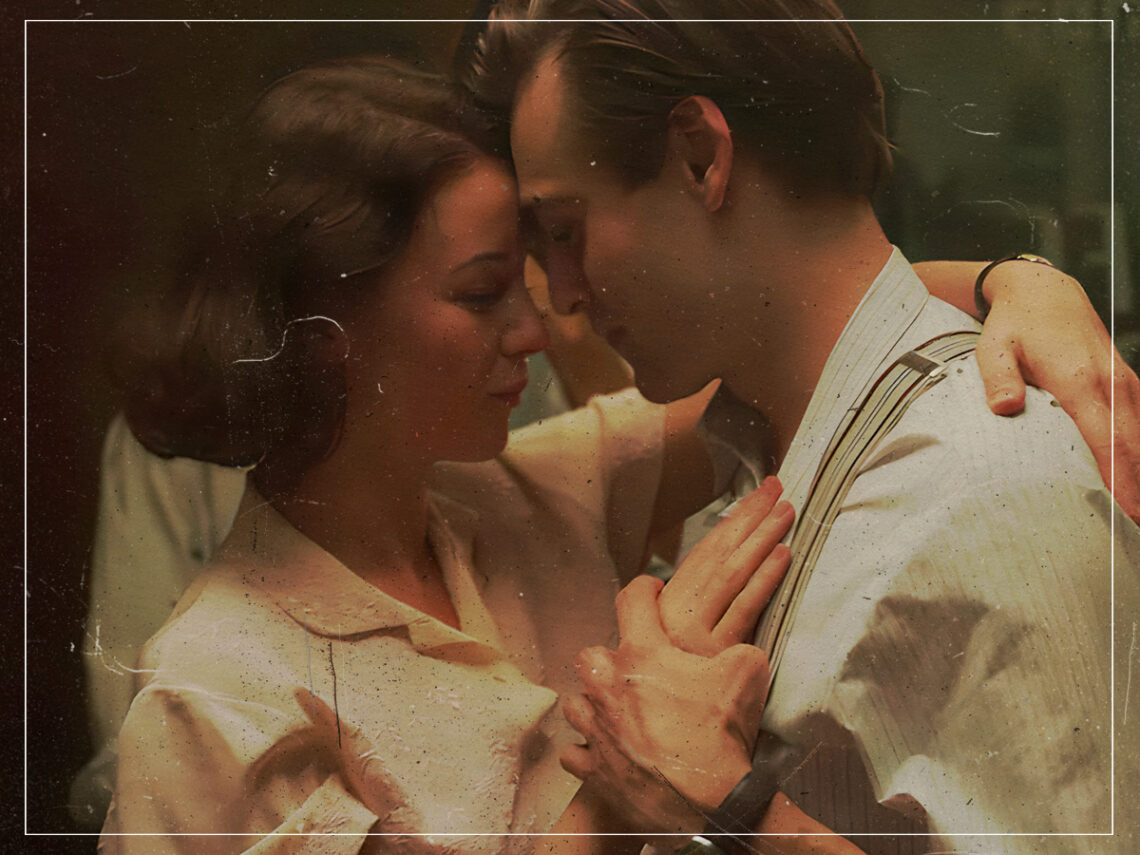
The movie is named after Shoshana Borochov, a real woman who was part of the Zionist Haganah territorial army. Played by Irina Starshenbaum, the character falls for Douglas Booth’s British police officer, Tom Wilkins, despite being disliked by most of the Zionists in the area. She faces verbal abuse from people for her relationship, turning down Tom’s initial marriage proposal out of uncertainty.
I’ve never seen a love story so flaccid and boring, and I was wholly uninvested in the pair’s relationship. Most of their time together is spent in the bedroom, with two separate scenes depicting Shoshana getting out of bed while Tom remains there, the camera only just hiding her bare breasts from view as she dresses. These scenes feel drawn-out and unnecessary, taking up a bloated runtime when we could be learning more about their connection – despite their differences – instead.
The movie also spends so much time spotlighting the violence of another British officer, Geoffrey Morton (Harry Melling), and his search to find Avraham Stern that you begin to question why the movie is called Shoshana. Starshenbaum’s character and her relationship with Tom feel like a mere subplot that distracts from a story about incessant violence and conflict. Instead, both plots, although, of course, intertwined stories, feel incredibly underdeveloped and bizarrely sandwiched together.
Moreover, none of the actors give their best performances. Booth’s accent is slightly different to his normal voice, and something about it just seems a little off. Melling’s attempt at embodying evil is more comical than intimidating, and Starshenbaum’s character is just incredibly boring. During one rare moment where a scene of intense emotion is delivered, her performance feels so over-the-top that you can’t help but laugh, even though you really shouldn’t be.
Winterbottom, whose best-known film is perhaps 24 Hour Party People, has delivered a work that will undoubtedly leave many viewers confused and, even worse, incredibly bored. Constantly checking to see how much of the movie I had left (I was shocked to find that the first time I did this, it had only been 20 minutes), the movie tries to feign thrills and excitement by continuously shoving tiresome bombings and shootings in our faces as though we’re not going to see them coming.
While there are some moments of merit, such as a good score, strong cinematography, and a clever use of archival newsreel footage, which often includes characters from the actual film, Shoshana is, overall, forgettable. Winterbottom doesn’t seem to side with anyone or allow his work to make a definitive statement on the matter. It is hard to root for any of the characters, leaving you feeling detached and unbothered by the movie. This really shouldn’t be the case, particularly due to its exploration of a complex historical matter that is still relevant today.
