


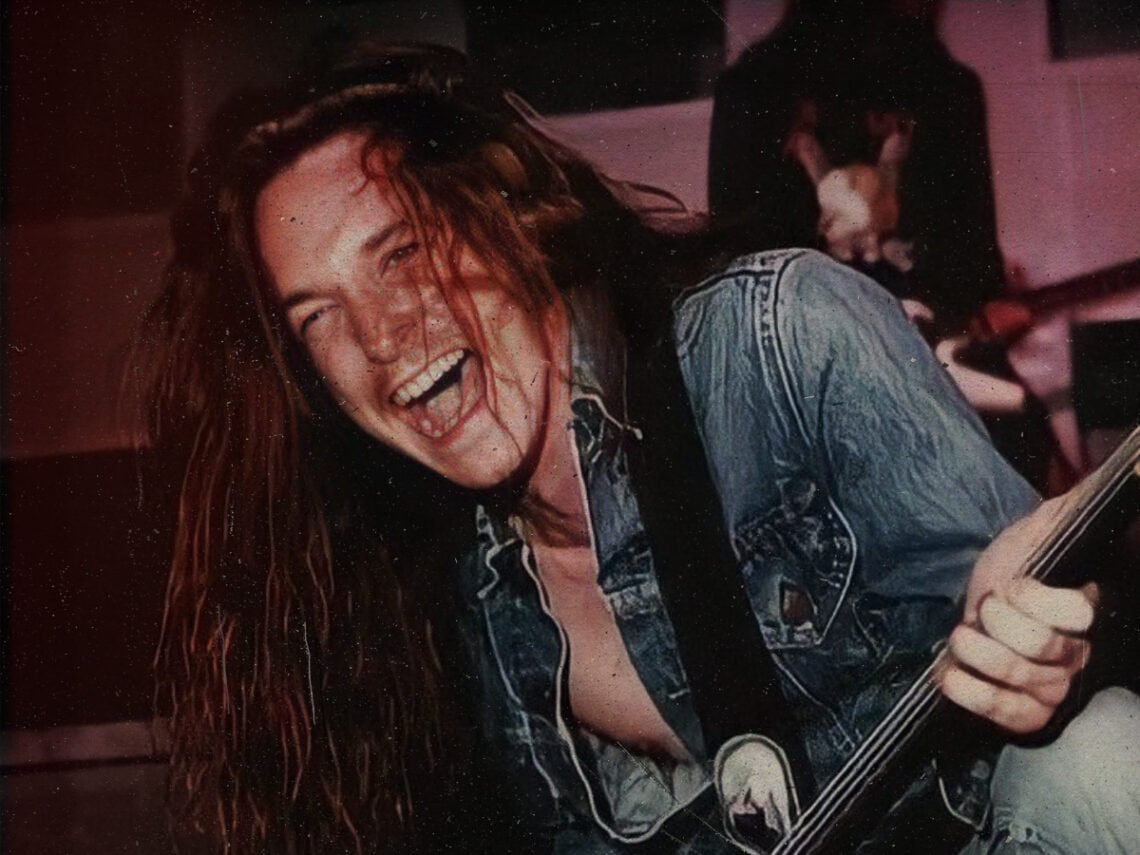
The Metallica song that captures the spirit of Cliff Burton

There aren’t many early Metallica songs that Cliff Burton didn’t leave his musical footprint on. Throughout his time with the group, Burton slowly became one of the most acclaimed bassists in the world, turning his instrument into a leading voice rather than just providing a low end of the guitars. Once the band reached the magnum opus Master of Puppets, Burton was ready to take his songwriting to the next level.
Instead of the usual bassists who play different roots of the chords, Burton looked at his instrument much like a lead guitar player would. Regardless of the rhythmic structure coming from James Hetfield’s rhythm guitar, Burton would often play around with the melody by changing the roots on the bass or doing wide scaler runs that kept the audience on their toes across grand epics like ‘The Four Horsemen’.
Outside of the classic metal tropes, though, Burton was also a tremendous fan of classical music. Being as much influenced by Beethoven as he was by Black Sabbath, Burton was known to throw in every type of genre he could think of into his music, culminating in the bass solo ‘Anaesthesia (Pulling Teeth)’ on the group’s debut record, Kill Em All.
By the time the band started working on their sophomore release, Ride The Lightning, Burton had begun to come into his own as a composer, being involved with over half the track listing thanks to his wonderful riffs on songs like ‘For Whom the Bell Tolls’. His knowledge of harmony also started to rear its head, penning the twin guitar solos on tracks like ‘Fade To Black’ and ‘Creeping Death’.
While his leading bass on ‘The Call of Ktulu’ remained his most jaw-dropping moment in the studio, Burton began working on his magnum opus one album later. First showing sketches to Kirk Hammett, Burton had started hashing out what would become the instrumental ‘Orion’, taking the building blocks of his favourite metal riffs and turning in a musical rollercoaster spanning across eight minutes.
When first hearing the song, Hammett said that he was taken aback by how sophisticated it was, telling Lars Ulrich, “He played a super-rough version of it to me one time in a hotel room, but it was just the progression. And then, I remember hearing it X months later, and it had all these harmonies and all these melodies on it. I was blown away because it had gone from this small little chord sequence to this huge opus.”
Although Burton may have written his masterpiece, he would never see it played live, passing away in September of 1986 before he had the chance to debut the song to a broader audience. Once the band’s replacement bassists came in, they were respectful of Burton’s playing, with Jason Newsted and Robert Trujillo incorporating bits and pieces of the piece into their bass solos.
While the band have since resurrected the track in their live set now and again, Ulrich claims that Burton is present with them whenever they play it, telling The New York Times, “It has a unique palette and illustrates the different songwriting inspirations and influences that exist within the band. When we’re playing it, the spirit of Cliff is definitely present in the building. And Robert channels Cliff’s spirit in the part that he’s playing so incredibly well. It’s a beautiful, beautiful moment.”
