


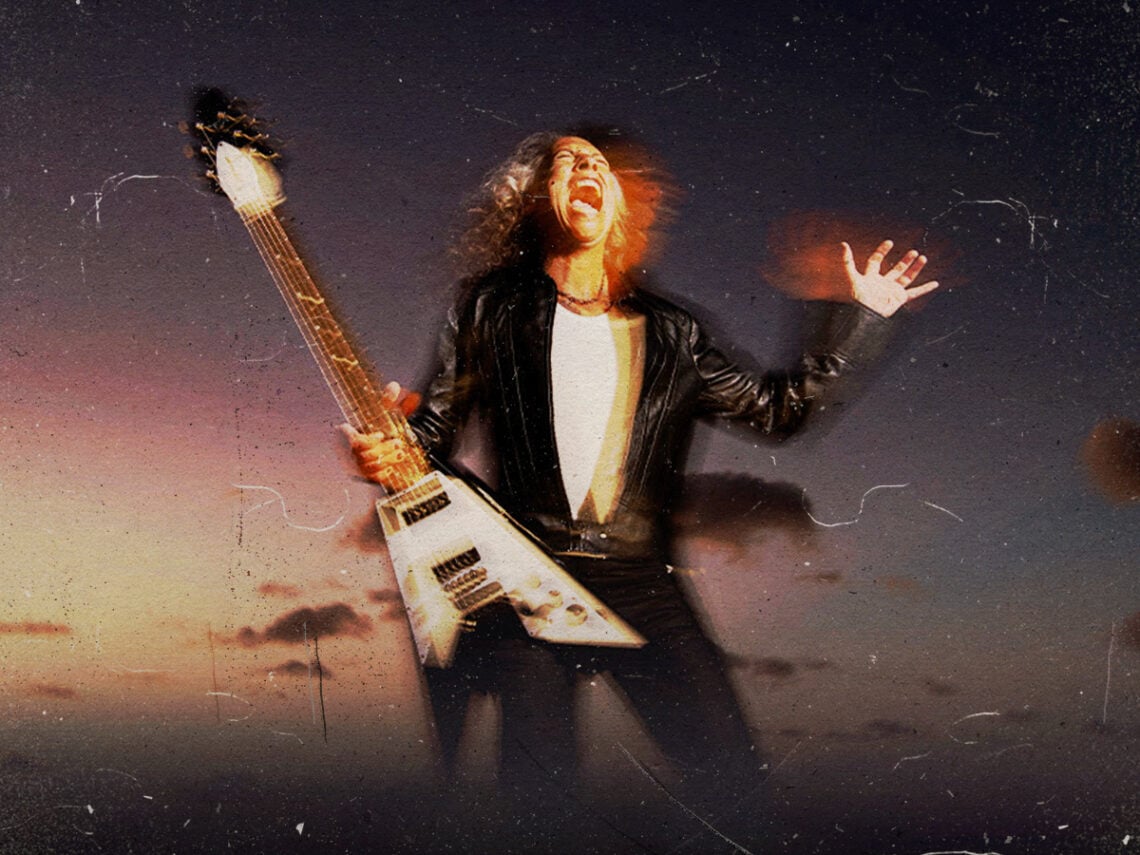
The Metallica career decision Kirk Hammett called “bullshit”

No band will succeed without knowing the meaning of the word ‘compromise’. Some might be the co-captains of the group that help steer the ship forward, but if you’re not listening to every single member, someone’s going to get their feelings hurt, and it’s bound to get ugly incredibly fast. Metallica may have shown us their dark side in the documentary Some Kind of Monster, but Kirk Hammett had no part in one creative decision when making the album St Anger.
For anyone with functioning eardrums, one of the biggest problems with St Anger is that it got released this way. Compared to every other Metallica project, the entire album is way too long and suffers from some of the worst production choices to turn up on a Metallica record. Since they were tuned so low, you can barely hear the bass, and when there is a decent melody to be found, it’s kneecapped by Lars Ulrich’s decision not to use his snare like a functional snare.
That’s not to say that St Anger doesn’t at least have a few highlights across the album. There are some songs on here that feel like they are just about good enough to hang with Metallica classics… we’re just hearing the worst possible versions of them on the final product.
Whether it was to meet a deadline or not, most of the tracks feel blatantly unfinished, as if they were capturing pieces of jams that should be cut down to song length rather than eight-minute exercises. It would have been saved by a few decent guitar solos, but Hammett was given the shaft when it came to lay-down leads.
In the documentary, Ulrich had discussed with Hammett the idea of not having any guitar solos on the record, which set the guitarist off, saying, “Can I just say something that I think is bullshit?… If you don’t put a guitar solo in one of these songs, that dates it to this period. I think that’s stupid, and I think it’s totally trendy.”
It’s not like Hammett was that off base, either, since most of the biggest names in nu-metal at the time were tuning down much lower and were almost too cool to play anything flashy. The band might not have been chasing trends to that extent, but it’s hard to listen to these albums and think something feels off.
Say what you want to about Hammett’s reliance on blues scales and the wah pedal, but you can at least remember most of the songs that he played. Without him playing any solos and having to compete with James Hetfield as a rhythm guitarist, he may as well have not even shown up for work halfway through the sessions.
But maybe St Anger wasn’t meant to please everybody… not even the band. The entire backdrop of the album was about the group going through therapy and trying their best to keep everything together, so this is practically an outlet for their anger rather than one of the greatest artistic statements they’ve ever made.
And while Death Magnetic suffered from similar production problems, at least Hammet got his wish and was back to playing solos again. Metallica may have walked away from these sessions as stronger people, but was it really worth it not to give Hammett the time to shine at all?
