

Computers, algorithms and self-destruction: What does the future hold for music?
Read More


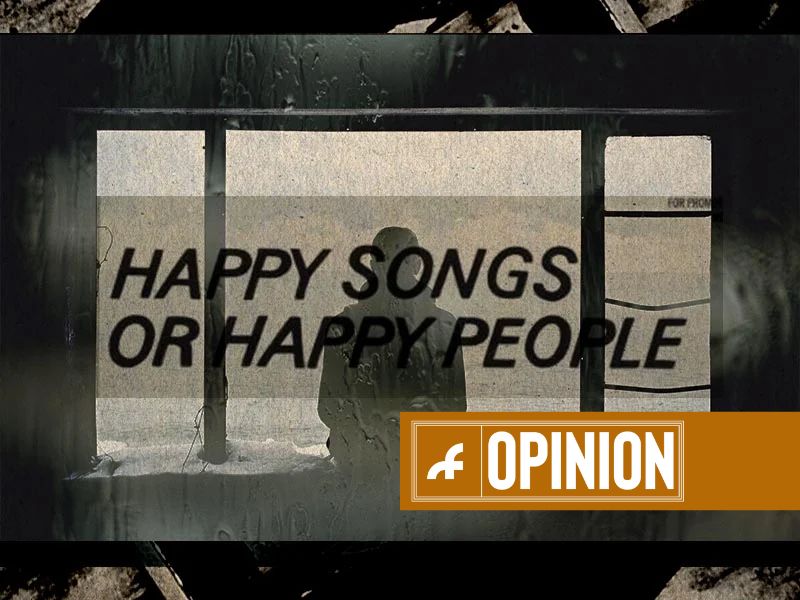
For as long as I can remember, music has lit the way in my life. As with every music lover, there are songs I gravitate to in different moods. Thankfully, a wide range of music exists; some songs illuminate dance floors while others soften the floor as you fall. Speaking from personal experience, I believe that, while a melancholy song can be worse than an upbeat one, on average, melancholy music will attract more attention and hold it for much longer.
Some readers at this juncture will undoubtedly dismiss me as a miserable guy who likes to wallow in toxic self-pity. On the contrary, I have long since left those confused teen years peering listlessly out of a bedroom window to the sound of Morrissey singing ‘Heaven Knows I’m Miserable Now’. Indeed, with age and what I would describe as relative contentment, the music that has stayed with me the most is that of the minor keys.
I was brought up on a healthy diet of British rock music from the latter 20th century, and while, as a youngster, I loved every song on The Beatles’ Sgt. Pepper’s Lonely Hearts Club Band and The Rolling Stones’ Sticky Fingers, the ones that never got old were ‘A Day in the Life’ and ‘Wild Horses’, not ‘Getting Better’ or ‘Brown Sugar’.
Let’s take a happy song as an example. Pharrell Williams’ aptly named ‘Happy’ brings a beat fit for Zumba class void of captivating lyrics, much like many modern pop songs. The simple reason for this is that the artist has no creative objective beyond hitting the formulae for a catchy hook. These songs linger in the head, bouncing around long past their welcome, and once they’re gone, there’s rarely any desire to root them up again.
Of course, upbeat songs also have deeply absorbing lyrics, but they are much rarer. With the risk of coming across as a haughty music snob, my titular point today is an opinion on a matter subject to subjectivity. That said, from my experience and observation, those who listen to music profusely, allowing it to become one of their central passions and something by which they identify, are unlikely to label an album as “too depressing” or name a joyous ditty as their favourite song.
If I ask my record-collecting music nerd friends what their favourite song is, they might choose a poetic classic from Bob Dylan’s catalogue or a sentimental ballad from the deep recess of childhood nostalgia. Whereas, if I were to put the same question to a friend unstirred by the tides of music, they are more likely to name the track still bouncing around their head after listening to Radio 1 in the car ten minutes before.
So, who am I to be saying what “good” or “bad” music is? Indeed, I would never like to impose and claim to have superior taste. My point here is that the charts reflect what music is popular at a point in time, not what music is “good”. This music serves its purpose of making money, and soon it’ll be forgotten. “Good” music, not just for me but for everyone, had longevity and enduring influence.
Timeless music is to flash-in-the-pan pop hits what novels are to comic books; it digs deeper into our consciousness and becomes part of us. If we were to consult IMDb and peruse the top 250 films of all time, I can assure you that there would be very few comedies. Meanwhile, I wager that most – if not all – animated family movies on the list will have a poignant element to the narrative, such as that seen in Up, Wall-E, or Inside Out.
Humans tend to cling to the sadder, more poignant region of art over time. Moving back to music, I think of it as a friend when I explain why sullen tones and poignant lyrics penetrate deeper into our hearts. Is a good friend the one you have a blast with on the dance floor or one who picks you up when you’re down?
On the ‘Sad Music’ episode of the podcast Deeply Human, the presenter speaks to composer Andy Thompson about what makes sad music “sad” (apart from mournful lyrics). “When you feel sad, you kind of pull inward, and you’re quiet, and you don’t necessarily want to speak to other people,” he explained. “One thing the composer can do is to bring the dynamic down. Another thing composer can do is use sparseness…have the notes be very alone with themselves”.
Thompson continued: “C major chord has a C major third. To make it a minor chord, you take that second note, and you move it down a half step, which is the shortest distance you can move an interval in music. You’re basically talking about two frequencies interacting, and when they interact one way, it generally makes people feel happy, and when they interact a different way, it makes them feel sad. And that to me is kind of like a black hole”.
Most people who find a strong connection in music have often sought comfort during stress or sadness and are drawn to melancholy sounds. Paradoxically, so-called depressing music is considered a cure or a source of comfort for those experiencing grief and sorrow. The slower or sparse construction associated with sadder songs instils relaxation and “significantly stronger mind-wandering than happy music,” according to a National Center for Biotechnology Information study. As sad music allows our minds to wander, it makes space for nostalgia and positive memories that can elevate our moods.
Songwriters often give much more of themselves away when composing melancholy music. It is a more intense, personal offering, and when the song finds its target audience, it gives them something more and stays with them for longer. That, for me, is what music is all about.
Listen to Mogwai’s brilliantly soothing, ironically titled album, Happy Songs For Happy People, below.
All the latest stories about The Beatles from the independent voice of culture.
Straight to your inbox.
