


What is the meaning of the America classic ‘A Horse With No Name’?

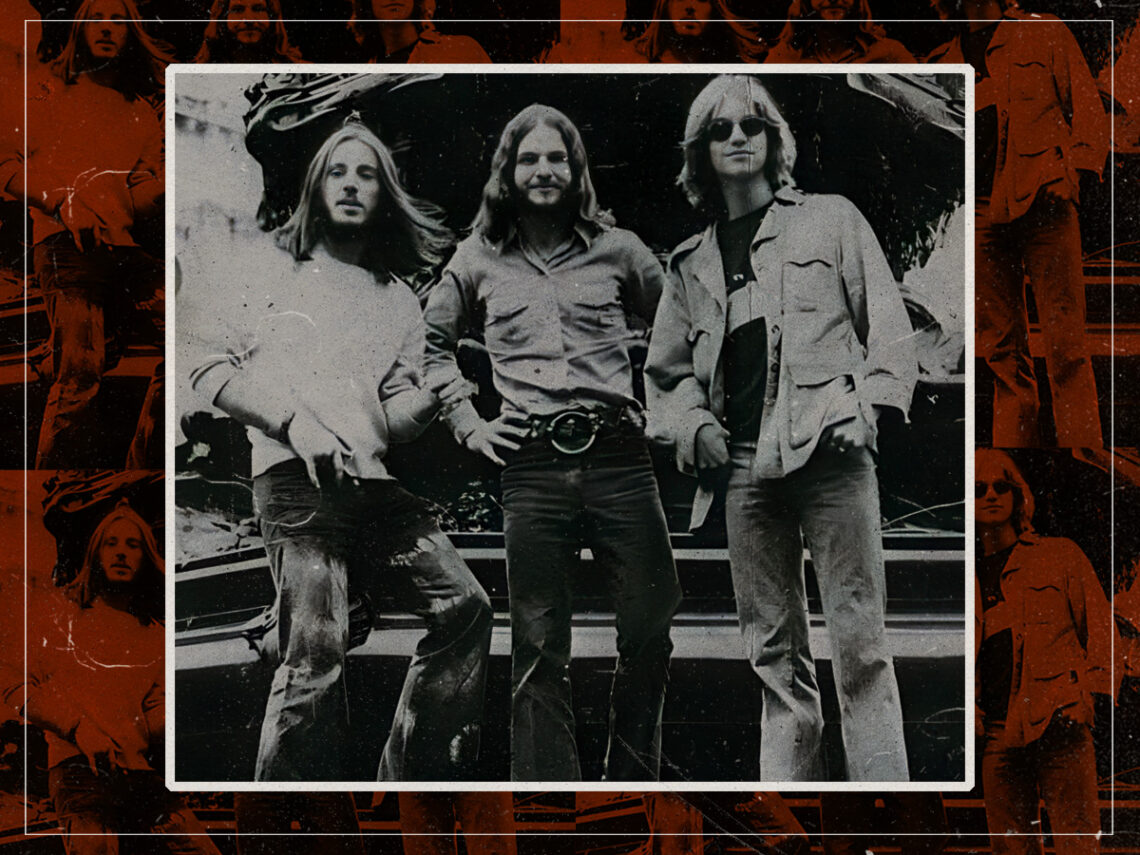
It might surprise you to learn that America, a band known for its quintessentially American country-rock sound, was actually founded in London, UK. Formed in 1970 by the US trio Dewey Bunnell, Dan Peek, and Gerry Beckley, America celebrated its home country ubiquitously, perhaps reflecting the members’ homesickness. After all, the three youngsters were the sons of US Air Force employees stationed in the UK.
After signing a deal with Warner Bros within their first year, America struck the hot iron to wheel out their eponymous debut album of 1972. Notably, the release was home to ‘A Horse With No Name’, the band’s most enduring song. It is often regarded as a one-hit-wonder due to its unbound global popularity and comparatively meagre attention reserved for neighbouring singles in the back catalogue.
At first listen, ‘A Horse With No Name’ might seem like a whimsical tale of a journey through a wild west desert astride a nameless steed. However, upon closer inspection, we exhume a tale of existential crisis and global catastrophe. The lyrics, penned by Bunnell under the working title ‘Desert Song’, paint a vivid picture of the lone ranger wandering through the vast expanse of the desert, grappling with feelings of isolation and existential discomfort.
It uses a vast philosophical foundation to build on its unique imagery.
What is the meaning of ‘A Horse With No Name’?
Conjuring the sun-soaked beach on which Albert Camus unravelled his famous existential quandary in The Outsider, the lyrics are highly symbolic. The titular “horse with no name” seems to represent a sense of freedom from societal constraint and convention. Riding his nameless horse into the wild, the protagonist finds solace and a newfound sense of purpose, unencumbered by the expectations and judgments of others.
The chorus, with the singalong refrain, “I’ve been through the desert on a horse with no name, it felt good to be out of the rain,” confirms this feeling of comfort in isolation. The catchy line and harmonising vocals captured the concurrent spirit of the American youth, who were, at the time, railing against the country’s war in Vietnam.
According to Bunnell, the “horse” symbolised tranquillity as he yearned for the heat and space available in southwest America from cold, rainy England. Following the song’s release, he was understandably questioned on the similarity of his voice to that of Neil Young. “I try to use a different voice so that I won’t be branded as a rip-off,” he told Rolling Stone in 1973. “It’s such a drag, though, to have to not sound like someone when you can’t help it in the first place.”
Beyond lyrical depth, ‘A Horse With No Name’ struck a chord with listeners worldwide for a simple and catchy progression sure to get the head bobbing on a long car journey. The track topped the charts in Canada, Finland, and the United States following its release and has since become a pop culture phenomenon, cropping up on a near-constant basis in movie and television soundtracks. Perhaps most memorably, it was used throughout Breaking Bad and appeared in the radio station K-DST in Grand Theft Auto: San Andreas, providing gamers with a suitable soundtrack in the countryside regions of the map.

Did America have any other hits?
America would have done exceedingly well to achieve similar levels of engagement with their latter singles, but it would be unfair to dismiss them as a one-hit-wonder. ‘Ventura Highway’, a top ten hit released in 1972 as a single from America’s second album, Homecoming, appears to be the band’s second best-known song today.
Elsewhere, under the production prowess of George Martin, Holiday singles’ Lonely People’ and ‘Tin Man’ reached the top ten on the Billboard Hot 100. A year later, the Hearts single ‘Sister Golden Hair’ topped the Billboard Hot 100. To this day, it remains the band’s only single other than ‘A Horse With No Name’ to do so.
Listen to ‘A Horse With No Name’ by America below.
