


Matavenero: Spain’s forgotten mountainside hippie commune

In the remote northwest of Spain, perched atop a mountain is Matavenero, a forgotten hippie commune. It offers a very different lifestyle to the business-oriented hustle and bustle of the capital, or the uber-tourism of Barcelona.
Its residents say this eco-village offers a kind of utopia beyond the usual system – an off-grid way of life rooted in nature and tight-knit community. But how did Matavenero come to be, and what does it stand for in 2025?
The story of Matavenero really begins in the 1960s, two decades before its rebirth. Spain was still under the rule of Francisco Franco, and the notion of low-cost package holidays was very much in its infancy. It was a period of industrialisation that saw economic migration into the big cities increase, with the lure of opportunities and money tempting people, particularly the young, away from rural communities.
Matavenero, more so than some other areas, felt the brunt of this due to its geography. A combination of its remote location, without real road access, as well as a steep, rocky terrain that made farming difficult and less financially viable than elsewhere, tempted residents to leave, especially given that the urban centres offered an antidote to the cold, windy winter of Matavenero.
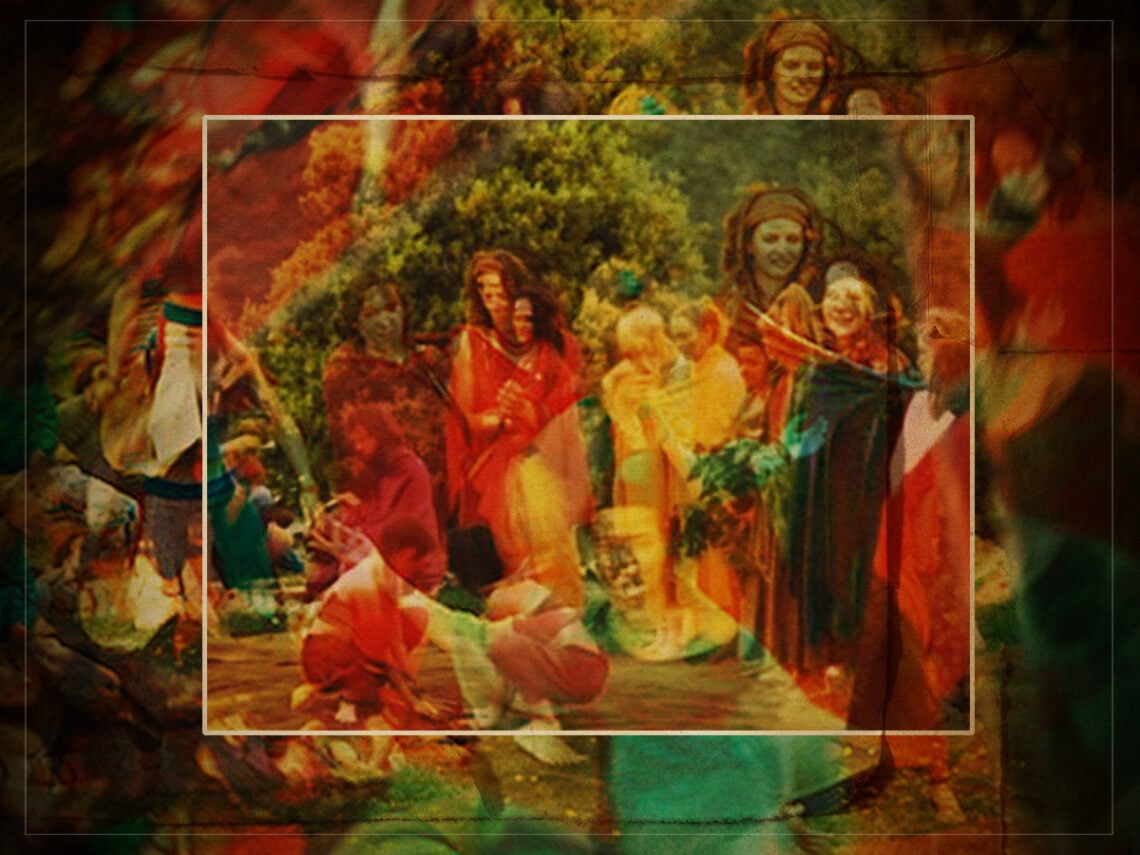
By the end of the 1960s, the village was abandoned and devoid of life, with buildings crumbling until the late ’80s, when it was rediscovered and repopulated by an international mix of hippies looking to build their own paradise. This rainbow movement, made up not only of native Spaniards, but also Germans, Brits and other Europeans, sick of modern society, looked to find somewhere they could build their own. Eventually, they landed upon Matavenero in the Léon mountains, and the rest is history.
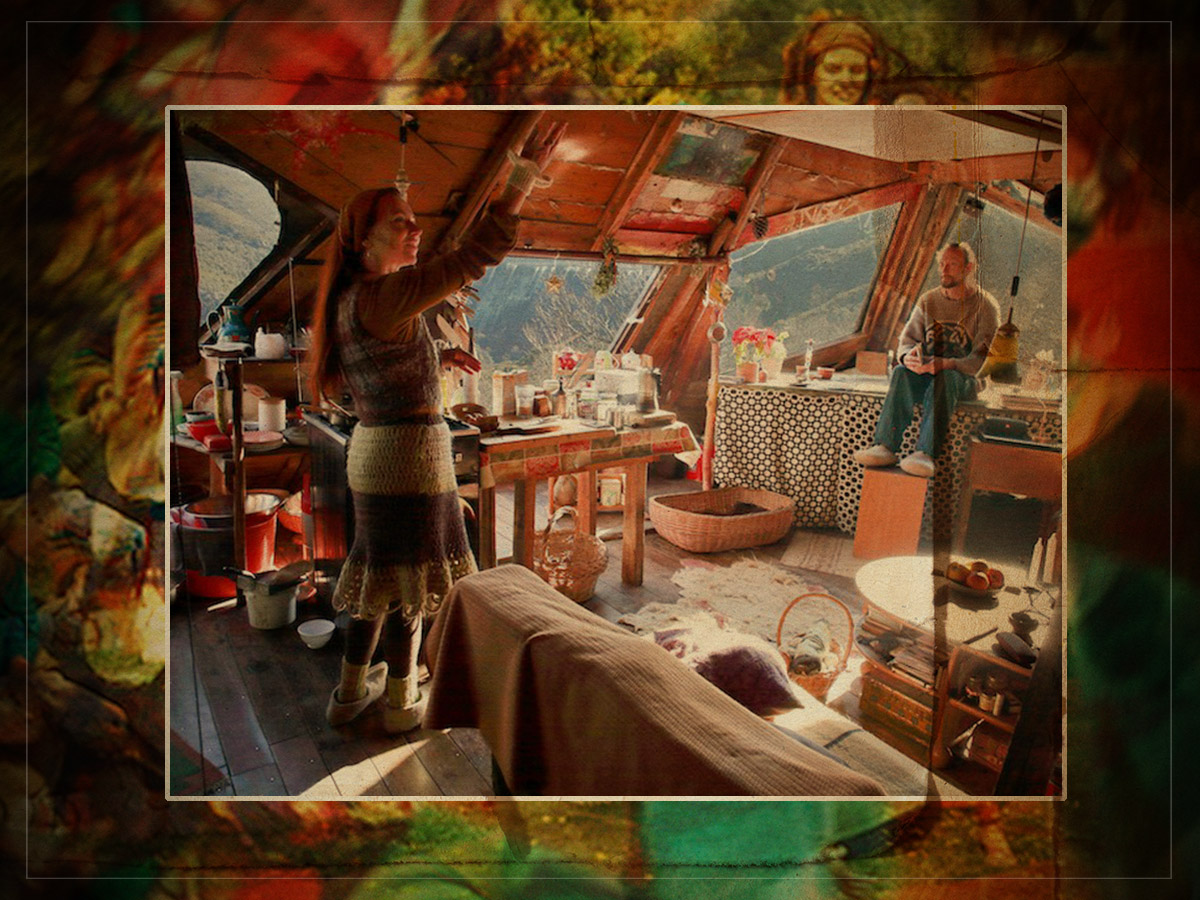
The skeletons of collapsed structures were used as the basis to rebuild, with stone and wood from the area, as well as recycled materials, leading to a variety of unique structures, from seven-sided homes to ornate domes being scattered across this desolate Spanish landscape.
There are no laws in Matavenero, with no one person leading the community, meaning it acts as a true democracy. Instead of rules, they operate with “agreements”. Key amongst these are no drugs, no violence and no motors, meaning that the village is still without vehicles. Instead, access comes via an exhaustive mountain trail, while the residents have installed a cable pulley system to allow them to transport materials up and down the mountainside.
A lack of motors also means that not only is the air cleaner, but that the only sounds come from other people or the nature surrounding them. A water system allows them to drink from mountain springs, a reliance on agriculture gives them ‘field to fork’ diets, while the adaptation of solar power has helped bring some modern comforts to this remote lifestyle.
However, life is cyclical, and just as the original Matavenero saw residents move away, the same is happening again, albeit at a lesser scale. At one point, this community numbered 120 people, from a wide variety of backgrounds, and a high of three schools. Now that number is significantly lower, and there is just one school. While it might be a great place to raise small children, there are obviously some drawbacks as those kids reach school age, which is perhaps the largest reason for the decline in residents.
Matavenero might be 1000 metres above sea level, with its residents relying on radio or newspapers from trips into town to learn the latest news, but in many ways, it still suffers from some of the same problems as wider society, with the young leaving for more opportunities, something echoed in rural communities across the planet.
Despite challenges, economically, environmentally and with the pandemic, this unique utopia is still surviving and still offering its residents a way to live outside of the system. In a world that is both increasingly online and less open to off-grid living, it’s refreshing to see people taking a DIY approach to life and striving towards a truly equal and fair society. With people increasingly desperate for a more organic life and one with less screen time, we can learn from Matavenero when wanting to live in a manner more devolved from modern society.
