


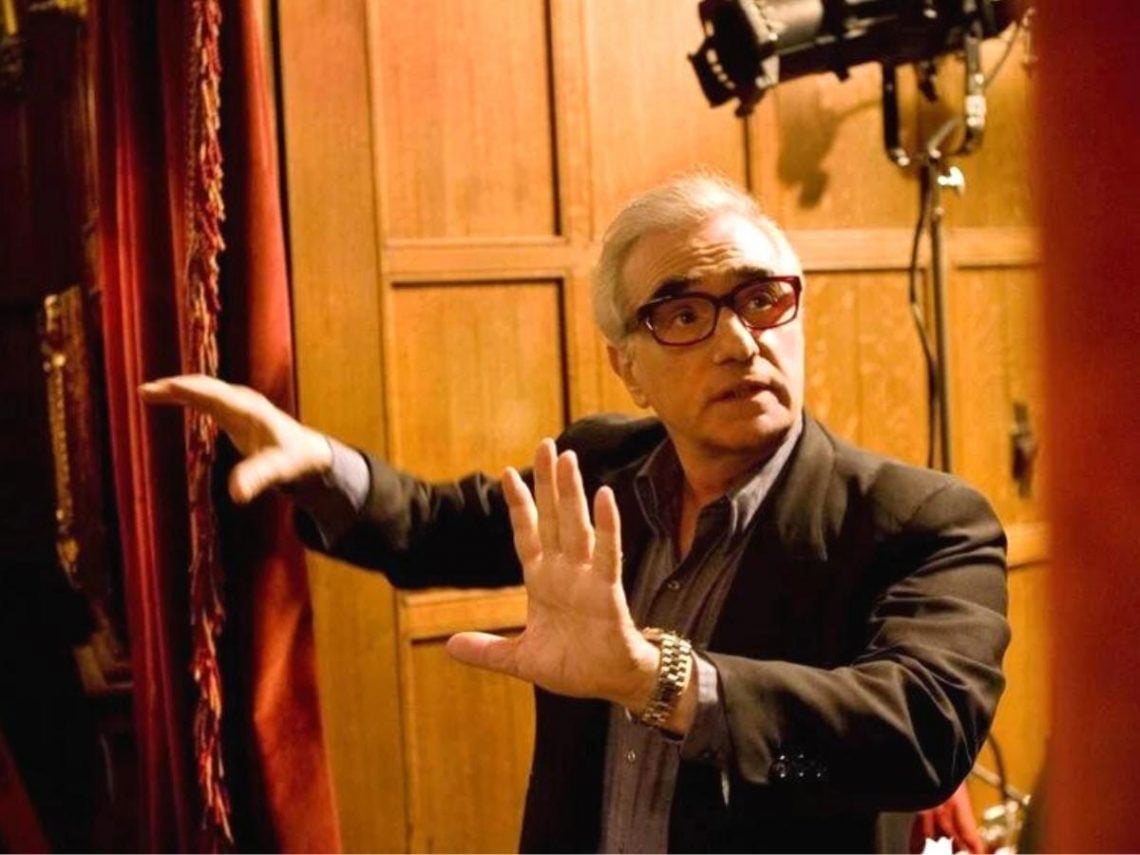
Martin Scorsese explains why editing film is a “spiritual” experience

Martin Scorsese has long been regarded as one of Hollywood’s ultimate auteurs, with an extensive back catalogue that boasts modern classics that range from the murky world of Taxi Driver to the legendary gangster flick Goodfellas. With historical flourishes via the likes of Gangs of New York, Scorsese has covered many bases since his 1967 debut and has retained the consistency that only the true greats of the field can achieve.
Exemplifying the idea that class is timeless is the promise of his forthcoming feature, Killers of the Flower Moon, a western-styled thriller that is shaping up to be one of his best, despite the director touching 80.
Over his 55 years in the sun, Scorsese has refined his craft, as reflected by his extensive passion project, The Irishman, which saw him pull many aspects of his past work together. There was the grit of Mean Streets and Goodfellas, just more mature, with a cast of familiar faces, such as Robert De Niro, Al Pacino, and Joe Pesci, bringing the story to life. Elsewhere, the extensive de-ageing digital effects that made De Niro, Pacino, and Pesci appear younger was an astonishing feat to behold.
The film also boasted excellent editing, one aspect of Scorsese’s work celebrated across the board as it allowed him to create authentic, multifaceted worlds. There’s no real surprise that this is the case, given that he has always been keenly interested in this aspect of cinema. Scorsese believes the cutting room is where a movie really comes to life, a place that allows the imagination to shine, something he describes as “spiritual”.
Scorsese once said: “I think Stanley Kubrick said that the only original contribution to film, different from all the other arts, because it comprises only… it combines all the other arts, really, but the only thing that’s originally film is editing. It’s the editing process”.
“(You can) stretch it,” he added” .They call it plasticity. Films like plastic. You can stretch it. You can stretch out time. I always get amazed when I’m in the cutting room. I work very closely with Thelma, and you know, when you still… I still get a thrill when you cut one shot next to the other and there’s a movement, but not a movement of, I must say, it’s not a movement necessarily the movement that’s on shot A going to shot B, and the moment of shot B coming from shot A”.
The director concluded: “It’s what the movement that is conjured up in your head by the cut. It’s like a spiritual move, in a way. I’ve studied older films and try to figure out how I got that impression when I saw that particular film, The Third Man, or something like that, and let me see. It was on that cut, wasn’t it? And I look, and I see that there isn’t any movement between the two shots. I imagine movement.”
