


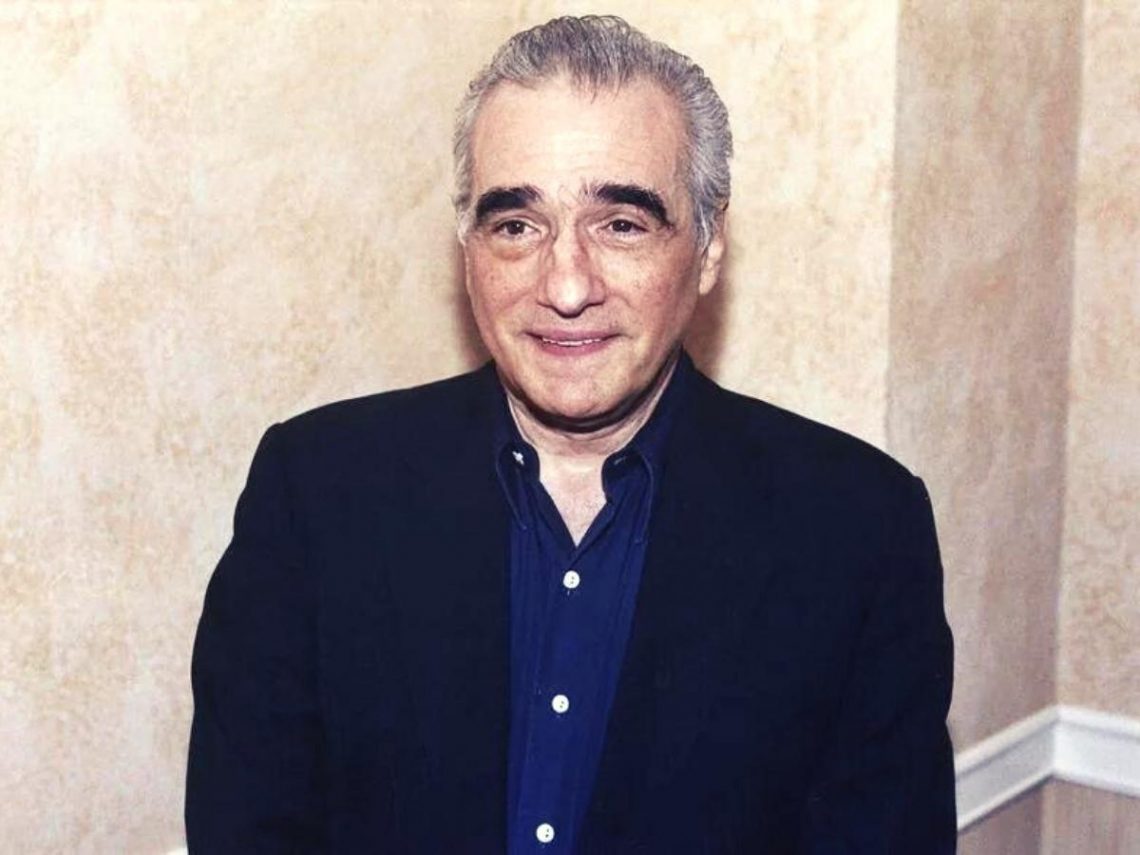
When Martin Scorsese went head-to-head with Phil Spector

Phil Spector made a name for himself in the music-producing industry thanks to his innovative recording practices throughout the 1960s. Widely considered to be one of the most influential figures in the history of pop music, the producer is responsible for the music of several beloved artists, such as the Ronettes, the Crystals, and Ike & Tina Turner — but that reputation is, of course, destroyed by his psychotic personality and abhorrent actions.
In addition to this, Spector worked with one of the most iconic bands of all time, The Beatles, on their final album, Let it Be, which was released in 1970. He also frequently worked with members John Lennon and George Harrison on their solo projects, such as Lennon’s 1975 album Rock n Roll. By the mid-1970s, Spector had produced 18 US top ten singles for various artists.
These musicians released several classic songs that are widely recognised and loved decades after release. The material has been used as a staple in pop culture and the decades they were released in, crossing over to other entertainment mediums such as films.
Director Martin Scorsese upheld this in his acclaimed film Mean Streets, released in 1973 and starring Harvey Keitel and Robert De Niro. The film immediately draws its audiences in with a classic opening accompanied by Spector’s ‘Be My Baby’, performed by The Ronettes, which was their biggest hit. However, as appealing of an opening Mean Streets has, thanks to this song being used, Scorsese stepped on some toes by using the song without permission from Spector, a wrong move to make. This didn’t go down too well with the producer, who then worked to get his hit song off Scorsese’s film.
Spector once shared how he found out about the acclaimed filmmaker using his work on his own through none other than Lennon, explaining: “John called me and said, ‘I think there’s something you ought to hear and see. Someone ripped you off”. Following this, Lennon took it upon himself to screen the opening of Mean Streets to Spector himself.
The producer then saw Scorsese’s name in the credits, causing some confusion. Spector claims his initial verbal reaction was a simple: “‘What the fuck it that?’”. This was then followed by a more elaborate: “I didn’t give any permission for that. You know, I guard my songs, and I hadn’t given my rights to anything.”
Spector’s next route of action was a phone call with his attorneys, who attempted to calm him down by assuring him Scorsese was no one to worry about. This wasn’t enough to calm Spector down, however, who then proclaimed: “My song opens the film, and it’s making the film”. As a result of his anger, the producer set his sights on “killing” Scorsese’s film entirely – a poor choice of words, given what was to hold for Spector. However, the film’s team then contacted him to beg a reconsideration. “We’ll work something out,” they promised, “Just don’t get an injunction on the film because everyone’s career is at stake.”
Despite stirring the whole thing up, Lennon is said to have advised the producer to cut Scorsese some slack under the guidance of “remember when you started out”.
Later, Spector confronted Scorsese’s team about it, and eventually, an agreement was made to give the producer his credit in any future work where he is used. Of course, Spector agreed but had to make it known that he feels responsible for Mean Street’s success because it used one of his songs in the opening as if the film wasn’t directed by Scorsese with De Niro performing in it. “The bottom line is, he doesn’t have Mean Streets without ‘Be My Baby,’” he claimed. “I stop the film, there is no Mean Streets. And Scorsese is literally out of business.”
Furthermore, Spector pulled another punch with the following statement: “That day, literally, I hold Scorsese’s career — and De Niro’s, literally, they don’t know this — in my hand with John Lennon”.
