


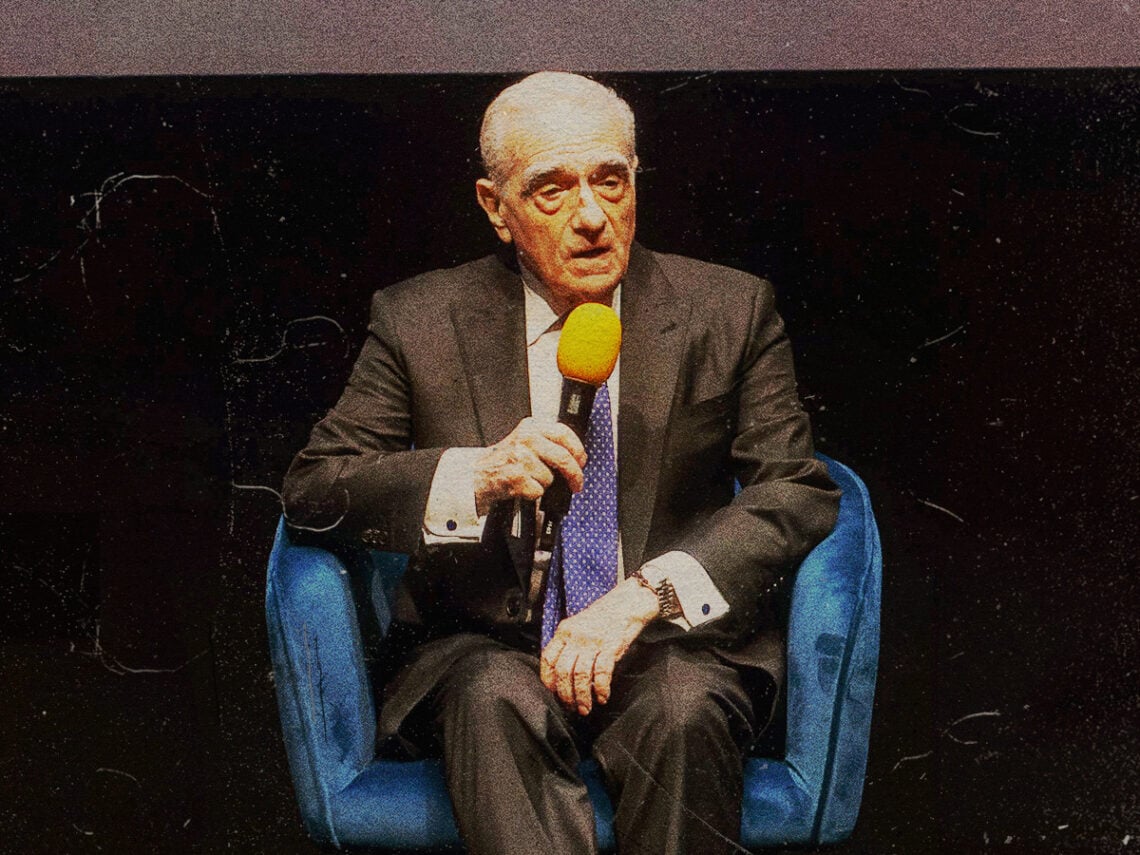
Martin Scorsese names the movies that inspired ‘Killers of the Flower Moon’

Somehow, over six decades into his filmmaking career, Martin Scorsese seems more relevant than ever. Between the release of Killers of the Flower Moon, his continued outspoken nature about the artistry and preservation of cinema, and a growing online presence thanks to his Gen Z granddaughter Francesca Scorsese, the director’s influence and intrigue is unwavering.
This has been further exemplified by the enthusiastic response to Scorsese’s arrival on Letterboxd. Fans have been granted an up-to-date, direct glimpse into the mind and mastery of one of the greatest filmmakers of all time, from his four favourite films to a comprehensive list of films restored by The Film Foundation.
Though his activity on the app has been limited so far, he has posted a list titled ‘Companion Films’, which lists movies that have inspired and go alongside his own filmography. The director recalls growing up with double features and states that he has always admired the art, “Because every movie is in conversation with every other movie. The greater the difference between the pictures, the better.”
Expectedly, Scorsese has been asked to divulge his own influences for double features throughout the years, though he deems them “companions” instead, explaining: “The terms ‘inspiration’ and ‘influence’ aren’t completely accurate. I think of them as companion films. Sometimes the relationship is based on inspiration. Sometimes it’s the relationships between the characters. Sometimes it’s the spirit of the picture. Sometimes it’s far more mysterious than that.”
In the following list, Scorsese names a series of companion films for his most recent offering, Killers of the Flower Moon, starring Leonardo DiCaprio, Lily Gladstone, and Robert De Niro. Rather than retaining their mystery, he openly explains how each one influenced his filmmaking.
The list begins with William Wyler’s The Heiress from 1949, which he suggests was a reference point for the central relationship between Gladstone and DiCaprio’s characters. The 1914 film The Last of the Line follows, a film Scorsese saw at a young age and whose presence can be felt in Killers of the Flower Moon, “for the presence of real Lakota Natives in many key roles, and for the unusual point of view, which truly expresses the tragedy of Native experience.”
Scorsese drew from the authenticity and realism of The Lady of the Dugout, while Blood on the Moon inspired the on-screen relationship between DiCaprio and De Niro. He was also inspired by “the way the actors look in the frame, and the clumsy, grungy, seemingly unchoreographed fight in a low-ceilinged dark cantina, which has always stayed in my mind.” Red River, on the other hand, gave the director “another angle” on their relationship.
The director rounds out the list with Elia Kazan’s 1960 film Wild River, noting “the extraordinary look of the picture” and “the key moment where Montgomery Clift and Lee Remick are kissing passionately in the car with the reflection of the tree on the windshield.”
The list and Scorsese’s accompanying notes are comprehensive, providing a look into his process and a new way to watch the tragic epic. Find the full list of companion films below.
Movies that inspired Killers of the Flower Moon:
- The Heiress (William Wyler, 1949)
- The Last of the Line (Thomas H. Ince, Jay Hunt, 1914)
- The Lady of the Dugout (W.S. Van Dyke, 1918)
- Blood on the Moon (Robert Wise, 1948)
- Red River (Howard Hawks, 1948)
- Wild River (Elia Kazan, 1960)
