


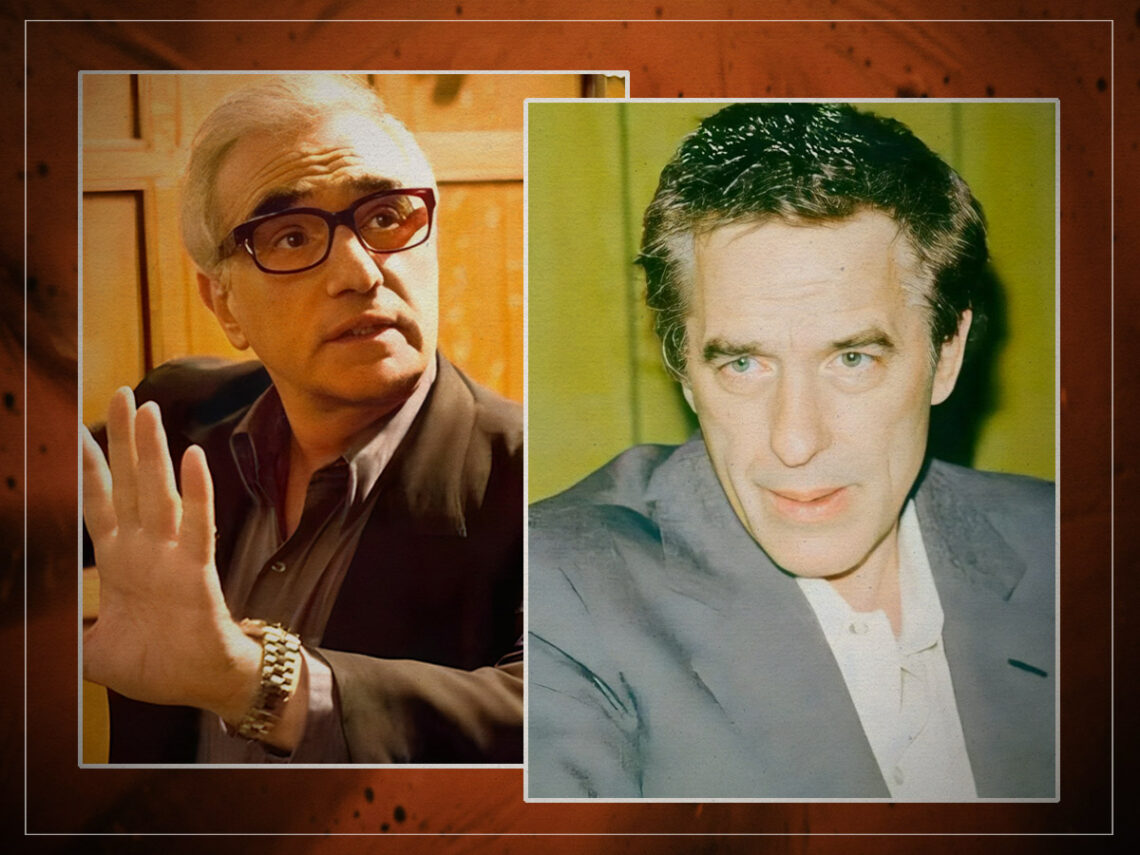
The Martin Scorsese movie John Cassavetes called a piece of shit: “You don’t do that again”

For an aspiring filmmaker trying to break into the industry in the 1960s and the 1970s, there were few more inspirational and influential auteurs to try and learn from than John Cassavetes.
The actor and filmmaker was a pioneer and trailblazer in American independent cinema, refusing to play the studio game and using the money he earned from his on-camera exploits to fund low-budget, experimental, and achingly evocative films that helped usher in the ‘New Hollywood’ era.
Martin Scorsese, who became one of the movement’s defining figures and one of the signature ‘movie brats’ alongside peers like Steven Spielberg, Francis Ford Coppola, George Lucas, and Brian De Palma, remains adamant that Cassavetes was the true leader of the revolution that completely altered the landscape of the business.
He was enthralled by the writer, director, and producer’s uninhibited approach to grounded, relatable stories that traded in levels of emotional depth and raw vulnerability that not many others were tackling at the time, and the two eventually became friends, which led to Cassavetes spitting some harsh truths.
In what was almost a rite of passage for anyone trying to establish themselves as a director in the early days of ‘New Hollywood’, Scorsese became one of many who made a picture for Roger Corman. His list of proteges was as vast as it was impressive, with the future Goodfellas mastermind accepting that he was at the point in his career when he needed to work as a director-for-hire.
1972’s Boxcar Bertha was fine for what it was, but it wasn’t the type of story Scorsese wanted to tell. However, he wasn’t in a position where he could will his passion projects into existence, or at least he wasn’t until a conversation with Cassavetes inspired him to take the next step.
“After he saw a rough cut of Boxcar Bertha, John Cassavetes told me it was nice for what it was, but warned me not to get hooked up in it again,” he told Mary Pat Kelly. “What he said was, ‘You just spent a year of your life making a piece of shit. You’re better than that stuff, you don’t do that again.'”
Cassavetes asked Scorsese if he had anything in mind that he “really wanted to do.” As it turned out, he did: “I told him I had a script called Season of the Witch, but that it needed work, rewriting. He said, ‘So do it.'” Taking those words to heart, the screenplay was honed, refined, and reworked before eventually being renamed Mean Streets.
Of course, the street-level crime story starring Harvey Keitel and Robert De Niro was widely acclaimed and the first Martin Scorsese movie that looked, sounded, and felt like a Martin Scorsese movie, providing the launchpad for a stellar run that saw the director follow it up with Alice Doesn’t Live Here Anymore, Taxi Driver, New York, New York, Raging Bull, and The King of Comedy within the next decade.
Instead of working for the sake of working, Scorsese took Cassavetes’ words of wisdom to heart and began navigating his own path towards greatness, all thanks to a “piece of shit” film.
