


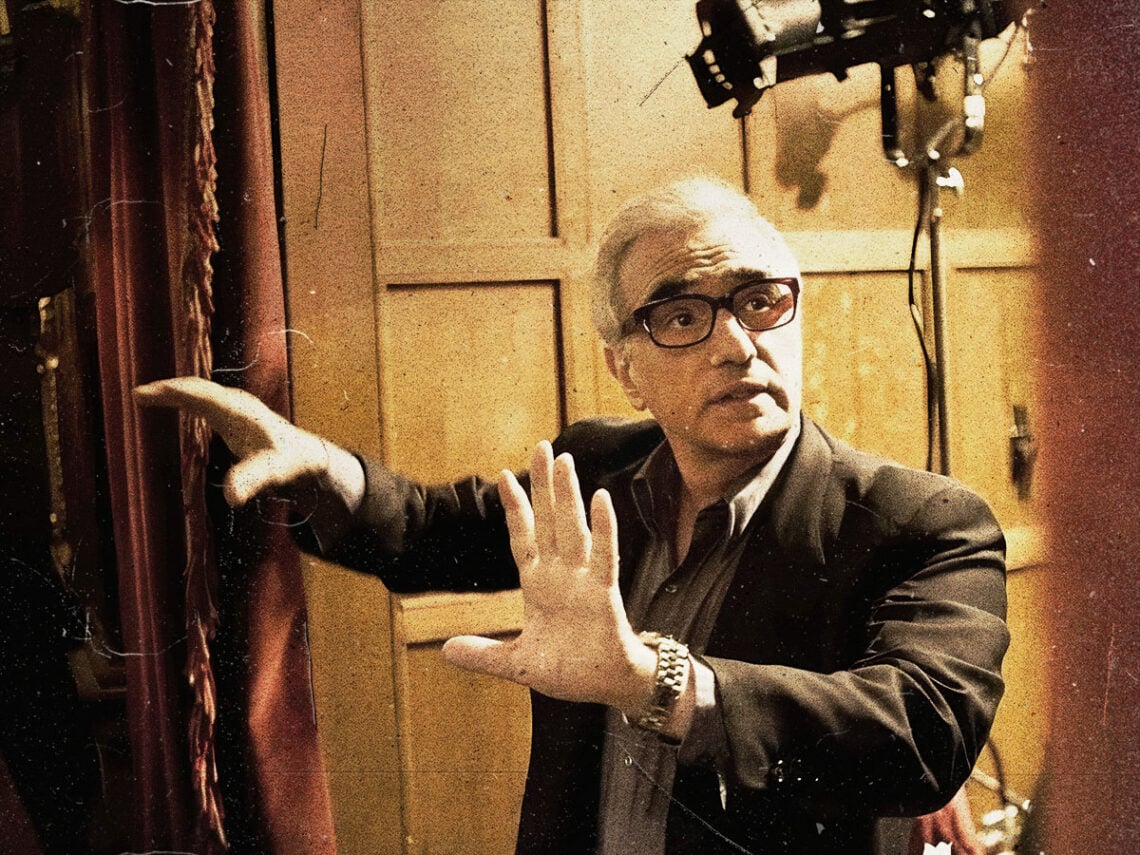
The greatest gangster movie of all time, according to Martin Scorsese: “This is my favourite”

Ask 100 cinephiles to name the first director that comes to mind when they think of the gangster movie, and there’s a high chance Martin Scorsese will be the first on the tip of their tongue, which comes with the territory when he’s helmed several of the genre’s greatest-ever films.
Of course, Scorsese has directed masterpieces in multiple genres, but his hard-boiled tales of criminality and moral corruption have wormed their way into the cultural consciousness. He never set out to be the ‘gangster guy’, and he was talented enough to avoid being pigeonholeed as a filmmaker, but it’s hard to deny that it’s got a habit of bringing out his best work.
For years, he’d been viewed as the Academy Awards’ ultimate bridesmaid, having been repeatedly overlooked for ‘Best Director’. When he finally claimed the big one at the sixth time of asking, it only seemed fitting that it was The Departed, a gangster flick, that gave him his crowning achievement.
Is it a better movie than Raging Bull, The Last Temptation of Christ, Goodfellas, or Gangs of New York, the films that had seen him walk away empty-handed the first five times? Arguably not, and definitely not on at least a couple of counts, but nobody can grudge the genre with which he became synonymous, landing him that long-awaited Oscar.
That doesn’t even include Mean Streets, Casino, or The Irishman, so it’s fair to say there aren’t many filmmakers past, present, and probably future who’ll be able to stack up to Scorsese’s achievements in the arena of unscrupulous enforcers, molls, bloody brawls, and bullet-riddled shootouts.
He didn’t necessarily grow up obsessed with gangster cinema and decided it was a well he’d love to keep returning to when he made it, either. Well, he did, but only because Scorsese grew up obsessed with cinema in general. In particular, one unsung director made three pictures in quick succession that opened his eyes to the subtext between the set pieces, with one standing out as the pinnacle.
“Rowland Brown, a largely forgotten figure, made three tough, sardonic movies in the early ’30s,” he explained to The Daily Beast. “Each one very knowledgeable about city politics, corruption, the cosiness between cops and criminals.” Quick Millions, Hell’s Highway, and Blood Money were released in consecutive years between 1931 and 1933, but the latter stood apart.
“This is my favourite,” he stated. “The ending is unforgettable.” The story follows George Bancroft’s bail bondsman, who leverages his profession to ingratiate himself with both the rich and famous political circles and the hidden criminal underworld of Los Angeles. When he falls for a socialite who doesn’t immediately reciprocate his feelings, he ends up being drawn into a dangerous web of betrayal.
Blood Money had a transformative effect on Scorsese the first time he saw it, and despite his encyclopaedic knowledge of cinema and vociferous appetite for watching films, he’s still never seen a better gangster movie.
