


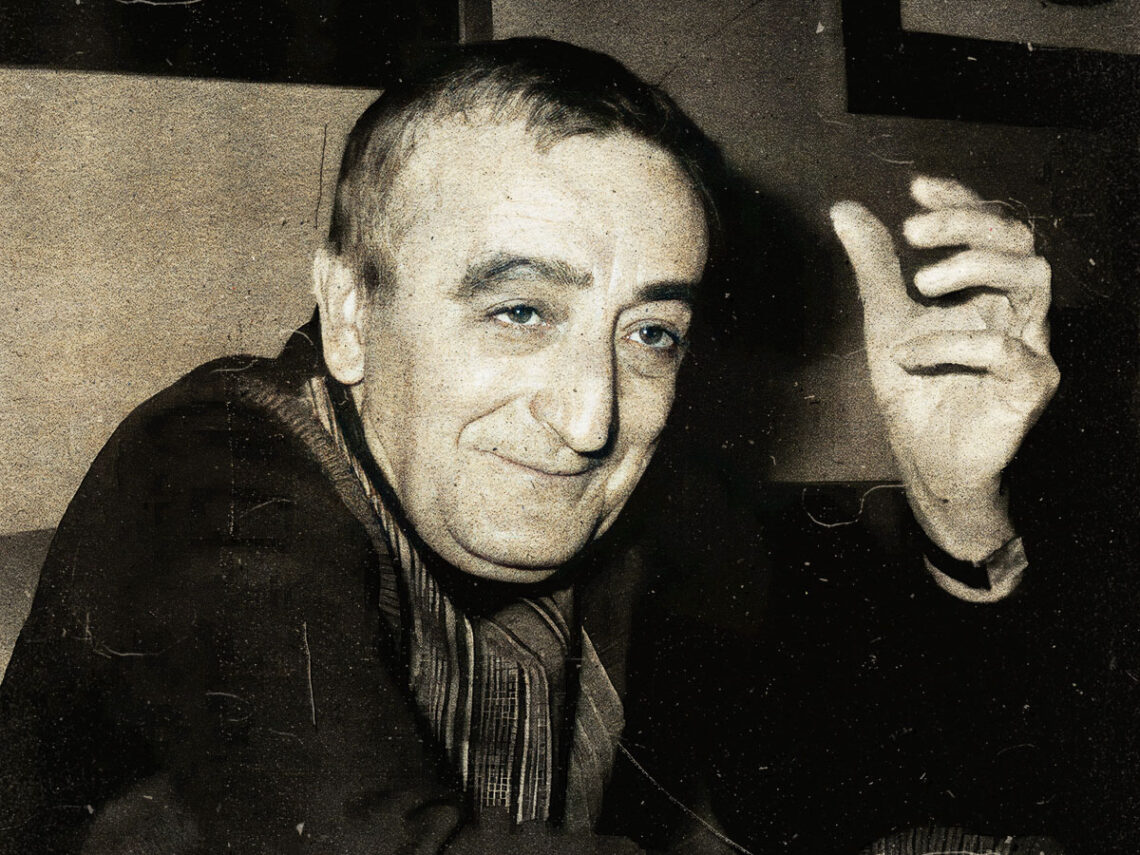
Mario Bava: the B-movie icon that changed pop culture

Even though the horror genre is often disregarded, especially by organisations like the Academy Awards, it remains one of the most influential facets of cinema. Some of the world’s earliest silent filmmakers created horror movies because they could easily rely on scary costumes, effects and images to elicit emotion. The genre developed across the world, with significant horror movies emerging from Hollywood, France, Japan and Germany during the early decades of cinema. However, by the 1960s, Italy became a central hub for horror, mainly down to the work of Mario Bava.
Born in 1914 to Eugenio Bava, a cinematographer during the silent era, he soon became interested in his father’s profession. By 1939, Bava established himself as a cinematographer and worked on several films over the next decade. In the 1950s, his collaborations with director Riccardo Freda led him to try out directing for the first time, often completing uncredited directorial roles. For example, he helped finish I Vampiri after Freda abandoned the production, which is considered the first Italian horror movie made with sound.
From there, Bava stepped in to assist with a few other movies by Freda before directing The Day The Sky Exploded, the first Italian science-fiction film, with Paolo Heusch. Bava clearly possessed an innovative mindset, which was only exemplified further when he released his debut solo feature, Black Sunday, in 1960. Although the film received many negative reviews at the time, it has since been considered a highly influential piece of horror cinema. Released the same year as Alfred Hitchcock’s boundary-pushing Pyscho, Black Sunday was even more graphic and unforgiving in its use of violence.
Soon enough, Bava’s use of violence, paired with eroticism and stylised imagery, seeped into the work of other horror directors. In 1963, he released The Girl Who Knew Too Much, the first giallo film. The subgenre is known for its blend of murder mystery, sexuality and violence, involving genres like thrillers and slashers. In the following decade, Dario Argento, celebrated for films like Suspiria and The Bird with the Crystal Plumage, became one of the leading filmmakers of the giallo genre and remains the best-known to this day.
However, Argento wouldn’t have made the films he did without the influence of Bava. You only have to look at Bava’s rich use of visuals, including bright-coloured lighting, to see how the veteran horror director inspired Argento. Yet, his influence was incredibly far-reaching, and his movies established vital tropes and themes that defined 1970s Italian horror, making the genre one of the country’s most notable cinematic exports.
Bava significantly influenced the slasher genre, one of horror’s most-loved subsections. From Halloween to Scream, the genre has spawned many iconic masked killers widely known in pop culture. However, it didn’t take off until the 1970s with movies like The Texas Chainsaw Massacre. But, unsurprisingly, Bava made one of the most vital proto-slashers all the way back in 1964 – Blood and Black Lace. The project was one of the first films to feature a masked killer, which is now an extremely common trope in modern horror.
The director’s influence has extended past the horror genre, with American auteur Quentin Tarantino citing Bava as one of his earliest cinematic memories. He once said: “Mario Bava became one of the first directors that I got to know by name because I saw Black Sabbath on late-night television, and I would kind of look forward to seeing it pop up again. He’s a great Italian horror filmmaker, and then I started noticing other movies in the TV guide that his name, and they all had this big, cool, operatic quality about them.”
Discussing his iconic 1994 movie Pulp Fiction, Tarantino even remarked, “What Mario Bava did with the horror film in Black Sabbath, I was gonna do with the crime film.”
Black Sabbath, released in 1963, was playing at a local cinema when a group of young musicians called Earth needed a name change. After witnessing people queuing for the scary movie, they decided to take on the name for themselves, quickly penning a song, also called ‘Black Sabbath’, with horror-esque themes. Soon enough, the band were one of England’s biggest heavy metal acts, proving that Bava had the strength to influence music, not just movies.
At a time when modern horror was only just finding its feet, Bava carved out a rich world, often on a limited budget, that influenced the course of the genre and, subsequently, pop culture. From the neon hues of Nicolas Winding Refn’s movies to the mask and glove-wearing killers featured in nearly every successful slasher film ever made, Bava’s influence has reached far and wide.

Never Miss A Take
The Far Out Quentin Tarantino Newsletter
All the latest Quentin Tarantino content from the independent voice of culture.
Straight to your inbox.