


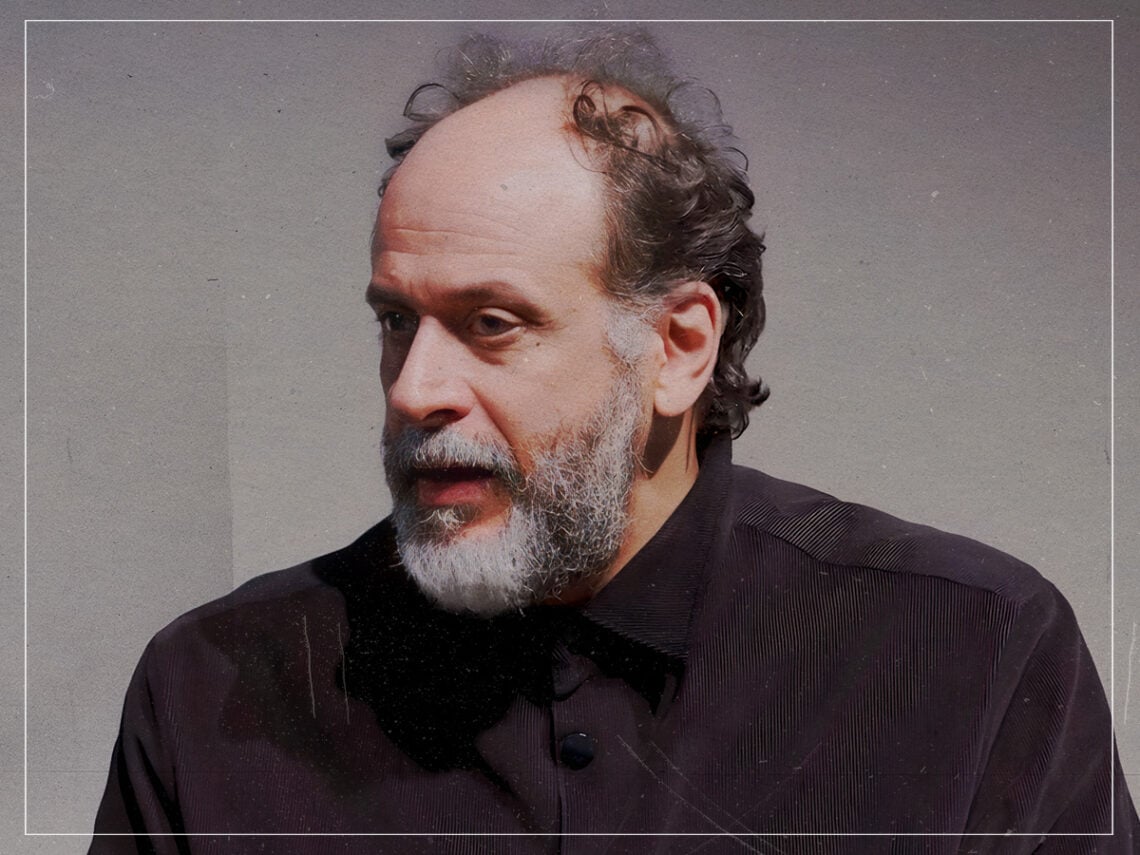
Luca Guadagnino names Hollywood’s most “radical” directors of the 1980s

When Call Me By Your Name came out, Luca Guadagnino was among the most talked about filmmakers in the world of cinema and a major part of that could be chalked up to the movie’s impact on social media. While he has struggled to find the same kind of reaction with weaker efforts, such as the 2018 remake of Suspiria and Bones and All, it seems like he has finally made his way back.
Guadagnino’s Challengers was among the most anticipated films of 2024, starring the likes of Zendaya and Josh O’Connor in a sports drama about the cutthroat world of professional tennis. Although it wasn’t exactly his best directorial effort to date, the movie generated a lot of discourse by grabbing a rare and difficult achievement: becoming a part of the ever-changing online meme culture.
Despite owing a significant portion of his success to the online film culture that is driven by the modern youth, Guadagnino is also critical of the kind of movies that are gaining traction within younger demographics. During a conversation with the BFI, the Italian director was asked about what past sociocultural aspect of cinephilia he would like to resuscitate and he had only one answer in mind.
Citing the 1980s and the subversive sensibilities that served as an undercurrent to the dominant social conservatism of the period, Guadagnino insisted that there were truly transgressive filmmakers working within the mainstream domain back then. Comparing them to the defanged films produced by modern studios, the Call Me By Your Name director called for a return to that version of Hollywood.
Guadagnino began: “The great cinema of the 1980s – which is a decade of incredible conformism, the Reagan-Thatcher era – created some wonderful antidotes in the great films of filmmakers who were really trying to find a sense of what the language of cinema is. Right now, we live in a place where that sense of radicalism is being destroyed. There is a pretence that there is a promotion of difference, but in a way, everything is completely in line with what the mainstream wants.”
He added: “In the mainstream cinema of the ’80s in Hollywood, filmmakers like John Landis, Jonathan Demme and Joe Dante were working within the boundaries of this Hollywood system, but they were really making very radical films”.
Adding: “A movie like Trading Places is such a wonderful, beautiful homage to Preston Sturges’s cinema, and at the same time, it’s such an incredible and beautiful parable of what capitalism is and how we can fight it. When you see a comedy of manners today made within the system of studios or streamers, it’s completely toothless and very disappointing.”
Trading Places is definitely a fantastic example of the phenomenon that Guadagnino mentioned, starring Eddie Murphy as a street hustler who becomes part of an experiment determined to find whether a person’s socioeconomic environment has an impact on success. Incorporating comedy to deliver an unflinching critique of the flawed beliefs championed by certain sections of American conservatism, it’s a fitting love letter to the glorious screwball comedies from the 1930s.
