


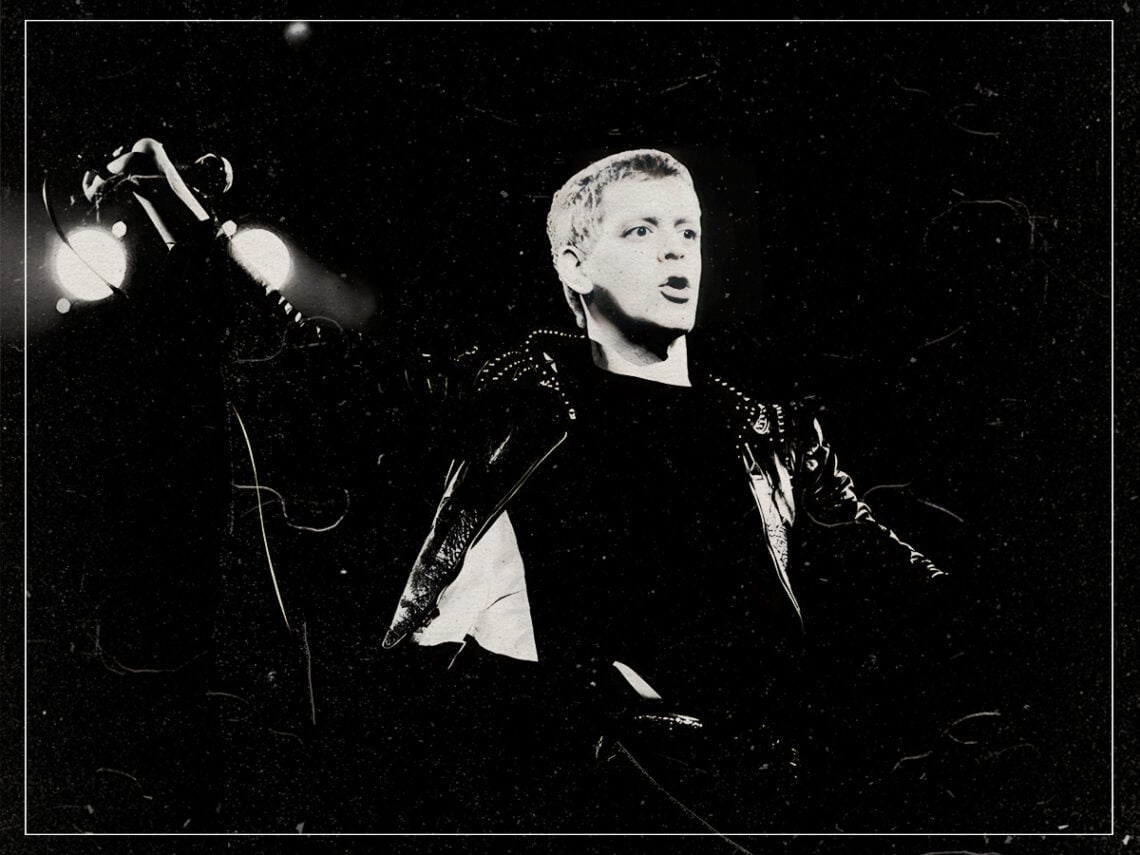
Lou Reed on “the greatest rock show I’ve ever seen”

No artist has ever made a career as singular as that of Lou Reed. Compared to the other rock giants from the 1960s, Reed was known for twisting his music into whatever shape he saw fit, disassembling The Velvet Underground and moving on to even more sonic experiments every time he went into the studio. While Reed had a complex definition of what rock and roll meant to him, he knew what a fantastic rock and roll show was when he saw it.
Looking at what The Velvet Underground were doing during every show, it was anyone’s guess as to what the next moment would bring. Compared to their counterparts that wanted to march in peaceful protests and put flowers into guns, Reed painted a gruesome picture of what 1960s city life was like — creating odes to junkies and prostitutes with the same reverence one would give to literature.
By the time they got to making the caustic noise of White Light/White Heat, the band had been on the verge of rock history without even knowing it. Though it was initially passed off as just dissonant noise, much of the album would be celebrated for paving the way for punk rock and art rock, including the chilling scenario in ‘The Gift’ or the distortion on everything on the title track.
While not many critics were kind to the band during their prime, one of their biggest fans from the other side of the Atlantic was paying attention. After spending his time playing humble folk tunes, David Bowie was transfixed by what he heard in Reed’s songs, eventually forming various glam outfits to finish what the group had started back in the day.
Paving the way for personas like Ziggy Stardust, Bowie would turn himself into one of the most outrageous rockstars of all time, taking the seediness of Reed’s writing and putting it to the sounds of old-time rock and roll. Although Bowie was grateful for his newfound success, he never forgot where he came from, either.
After Reed ventured into a solo career, Bowie would be instrumental in helping him come back from the brink. Creating mammoth albums like Transformer, Bowie would assume production duties and even duet with Reed on tracks like ‘Satellite of Love’, bringing the art rock poet back into the good graces of the public on tracks like ‘Perfect Day’.
Although Reed and Bowie would eventually see each other in passing on the road, Reed said that Bowie was still one of the most fantastic live attractions he had ever seen. Up until his tours in the 2000s, Reed was still amazed by what ‘The Starman’ was able to do with the audience in the palm of his hand.
Recalling his tour of the album Reality, Reed remembered Bowie being second to none live, telling Rolling Stone, “We go to the occasional art show and museum together, and I always like working with him. I really love what David does. I remember seeing him play in New York on the Reality tour a few years back, and it was one of the greatest rock & roll shows I have ever seen.”
Considering what Bowie did both in the 1970s and the 2000s, though, it wasn’t just about delivering the goods to the audience. This was about laying your artistic soul bare to the audience and letting them feed off that energy with every subsequent song.
