


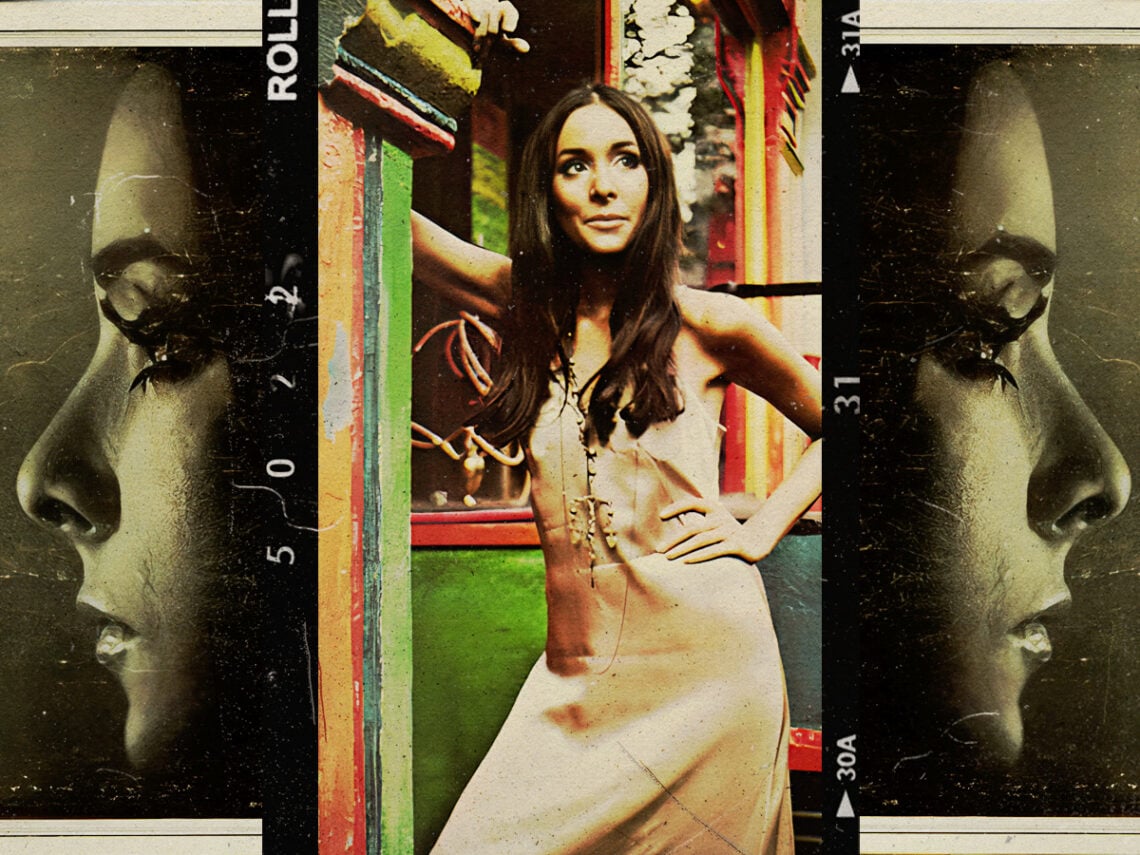
Lotti Golden: the jazz punk who “screamed about drugs”

The underground world of New York City in the late 1960s was a hotbed for some of the most interesting artists who ever lived. As the last embers of the Andy Warhol-influenced psychedelic age burned out, a new drug-fueled culture began to take over the city. White Flight was on, rent was cheap, and only the strong survived. This same environment would help birth the punk movement a decade later, but in 1968, Lotti Golden was at the forefront of a new musical revolution.
A New York lifer, Golden took the jazz that her parents preferred, mixed it in with her own poetry, and liberally threw around everything from R&B to rock to proto-rap. Wanting to translate the eclectic world of late-1960s New York onto vinyl, a teenage Golden signed a record contract with Atlantic Records (around the same time that Led Zeppelin did the same) and went about crafting her personal masterpiece.
The result was Motor-Cycle, a genre-less blast of soul, blues, pop rock, and early dance. Blending stories of down-and-out figures with her own take on the city that made her, Golden updated the girl-group drama of doo-wop as it mixed with the acid-fried revelations of psychedelia and Golden’s own endless stream of witty observations.
A lack of promotion and wandering interest from Atlantic Records caused Motor-Cycle to mostly flop on its release. Golden’s lack of promotional appearances kept her a secret outside of New York, and she eventually found herself off Atlantic. After attempting to course-correct with a more folk-centre approach to her follow-up, 1971’s Lotti Golden, Golden largely shifted her focus behind the scenes, working as a journalist and producer for other artists.
As the 1980s took over, Golden was among the first to embrace drum machines and samples as legitimate compositional tools. Everything from electronica to Latin freestyle to hip-hop came from Golden’s productions as she worked for artists like Diana Ross, Taylor Dane, and Al Green.
Over the years, Golden’s reputation continued to grow among those in the know, mainly influential underground artists. Once “underground” became “alternative”, the most privy of crate diggers stumbled on the unique tones that Golden was able to produce. One key supporter was Stephen Malkmus, the eclectic leader of slacker-rock heroes Pavement.
“Lotti Golden is a singer in town in New York, singing around at venues in the ’60s, and she put together this album with full strings, horns, drums, an Atlantic Records-sounding record,” Malkmus told The Line of Best Fit about Golden. “It’d be hard to pull that off – you’d have needed a lot of money to get a band together to do those songs – so I can see one reason why it flopped. It was this whole Elvis-style production, and she’s not Elvis. The album is on Atlantic Records, so it’s a bit of an Aretha Franklin rock, R&B party album. It’s got this producer who’s got a turtleneck on, I don’t know who he is, some kind of alpha-beatnik guy who’s putting this together.”
Specifically, Malkmus highlighted the Motor-Cycle track ‘Gonna Fay’s’ as a personal favourite. “This one song, ‘Gonna Fay’s’, is really off the hook,” he added. “She starts telling a story about a beatnik party that she goes to; people are doing drugs and getting crazy, this weird fantasy of a New York pill-popping hipster party. Then what happens is, after they take like tuinal and skag, someone dies, ODs, and the music imitates it like a show tune. But then they go to someone else’s house and keep going. The song keeps building, and she’s screaming about drugs.”
Check out ‘Gonna Fay’s’ down below.
