


What does the bizarre ending to Pavement song ‘The Unseen Power of the Picket Fence’ mean?

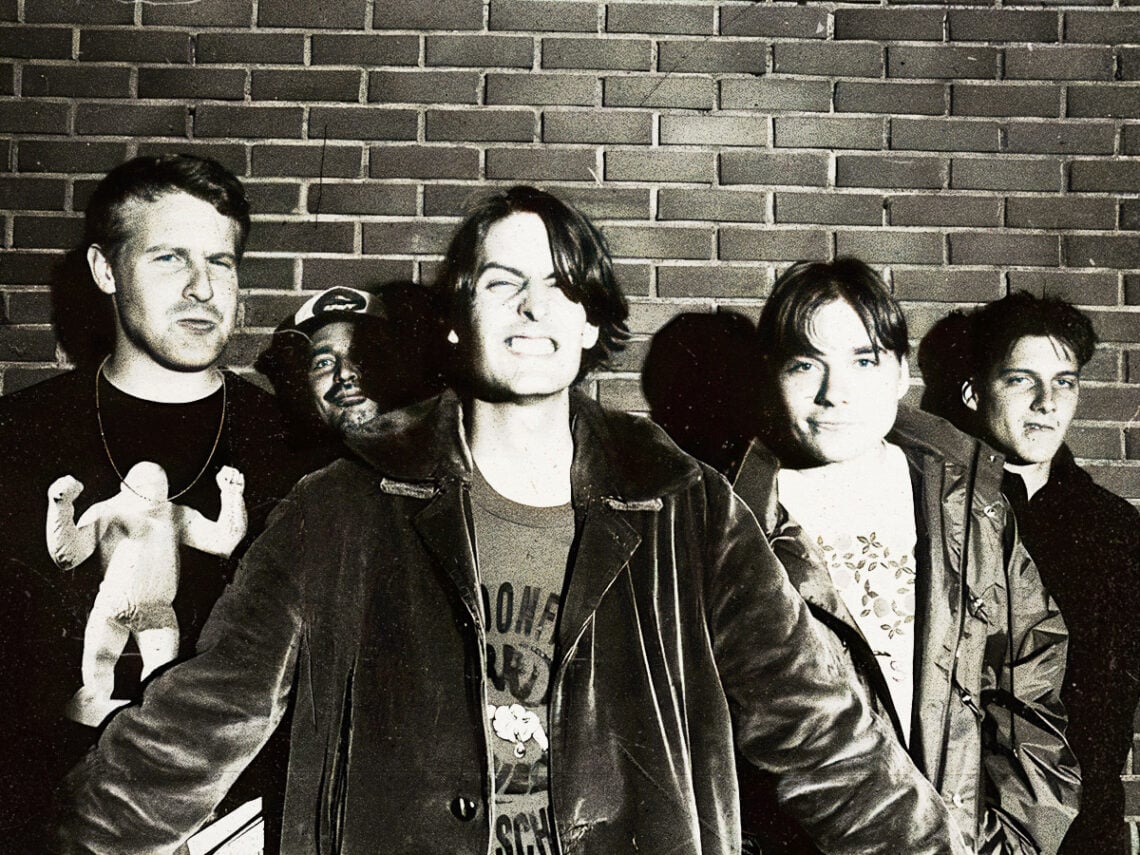
The 1990s indie slacker rock era was defined by Pavement, who mastered the art of appearing laidback while working hard to produce a series of brilliant albums. After forming in 1989, the band released five records in the ’90s before disbanding, reuniting sporadically for shows in the following decades.
After the band received critical acclaim for their debut album, Slanted and Enchanted, in 1992, they released Crooked Rain, Crooked Rain two years later, which is widely regarded as one of their best records. Their sophomore album gave Pavement a glimpse of mainstream success, with the song ‘Cut Your Hair’ receiving moderate radio airplay. In 2004, the band shared a deluxe edition of the record, complete with outtakes and bonus tracks.
One of the songs featured was ‘Unseen Power of the Picket Fence’, which initially appeared on the 1993 compilation album No Alternative, produced by Paul Heck and Chris Mundy. Intending to raise money for AIDS relief, artists from The Smashing Pumpkins to The Breeders and Patti Smith provided songs for the record. Moreover, the iconic hidden track by Nirvana, ‘Verse Chorus Verse’, later known as ‘Sappy’, appeared on the same compilation.
The record’s star-studded credentials make it hard for fans to pick a favourite track, yet Pavement’s quirky ode to R.E.M. is easily one of the compilation’s standout moments. The song has amused Pavement fans for years, as Stephen Malkmus sings about the genre-defining alternative rockers who rose to prominence in the 1980s. While he appears to praise the band, Malkmus makes a few factual errors along the way (failing to mention their debut record, Murmur, while charting their musical beginnings) and boldly stating his least favourite song of theirs, ‘Time After Time’.
Malkmus goes on to describe the members of R.E.M., singing, “The singer, he had long hair/ And the drummer he knew restraint,” before taking a drastic turn to “go way back to the ancient times”. Henceforth, Malkmus situates R.E.M. in the 1800s, referencing American Civil War Union Army general William Tecumseh Sherman and “his mates”.
Although the song is open to interpretation, it appears that Malkmus is comparing R.E.M.’s musical importance to one of the most significant periods in American history. The singer paints the Michael Stipe-led band as an indomitable force who have the power to transform music in the same way that Sherman led his troops.
Lyrically, it’s a bizarre song with humorous lines typical of Malkmus’ style. It wouldn’t be the only time Pavement namechecked a famous band – on ‘Range Life’, Malkmus famously made a jokey dig at The Smashing Pumpkins, resulting in a rather annoyed Billy Corgan.
Luckily, Malkmus didn’t offend R.E.M. with ‘Unseen Power of the Picket Fence’, which was written in celebration of one of alternative rock’s most influential bands.
