


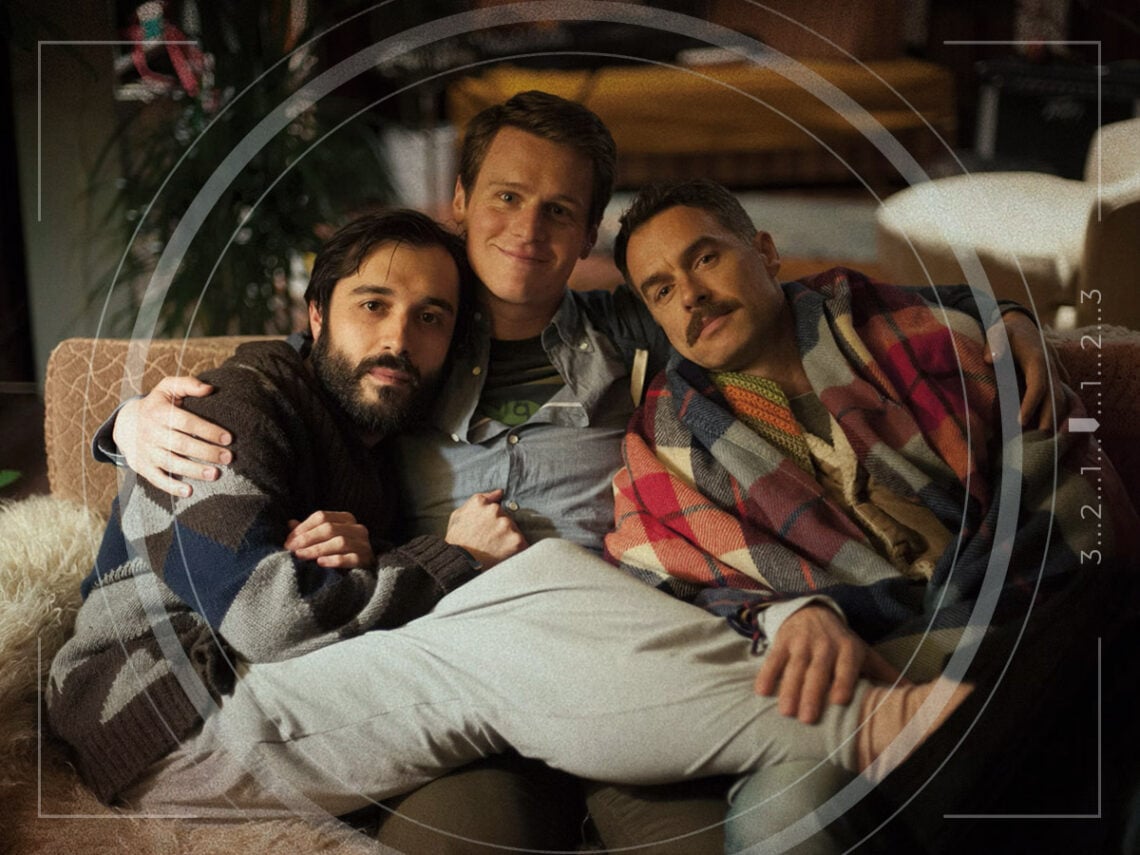
‘Looking’: Andrew Haigh’s ground-breaking masterpiece

After some disappointing recent visits to the BFI Flare Festival, I have found myself commiserating (again) about the state of independent cinema and an institution that is clearly struggling to flesh out its selection of queer films due to a lack of funding. As a result, the programme is a mix of films that are either shockingly bad or whose entire narrative revolves around specific aspects of queer struggles/experiences, with very few narratives simply depicting queer characters living their lives. While it is important to see these experiences on screen, these stories shouldn’t be the only form of queer representation, something we don’t see with stories based around heterosexual or cis-gendered characters—they are simply allowed to exist, without any pressure to fulfil specific quotas or represent a lesser-seen experience.
We’ve seen many films about people repressing their queer identity, about the coming out story or pipeline of a homophobic bully eventually coming out as gay themselves. It’s a tale as old as time, with mass audiences historically only being able to digest exaggerated examples of queerness, depicting queer people with dated stereotypes and labels, either as the ‘gay best friend’ who has the occasional punchy line about a poor outfit choice or shy teenagers struggling to come out of the closet.
As a result, queer audiences are yearning to see more simplistic and authentic stories that showcase both joy, sadness and the mundanity of everyday experiences, to see stories about people who aren’t always navigating some kind of complication around their identity. While these stories are certainly connected to the queer experience, it shouldn’t be associated with every piece of queer media.
Sometimes, it is more impactful to see people leading lives that are uncomplicated by their sexual identity, without the central focus being around coming out or confronting or falling victim to a homophobic parent/bully/co-worker. At this point, it would be more radical to see stories that portray a completely average life, building a bridge by focusing on the feelings we have in common instead of the experiences that divide us, creating universality through these stories while showing it through a specific perspective.
Over the years, only one television show has managed to do this, with the director creating a series about people who are open about their sexuality and living their lives fully without catering to the people around them. Besides Derek Jarman, the queer cinema movement in Britain during the 1980s and ‘90s wasn’t making nearly as big of a splash as in the United States and the rest of Europe. Films like Fox and His Friends and The Watermelon Woman were making waves across the globe, depicting characters who were openly gay. However, queer films from Britain were more discreet in their depiction of these experiences, opting for ‘queer coded’ characters in films like Looking for Langston and The Loneliness of the Long Distance Runner, acting as metaphors for queer loneliness and repression.
It is for this reason that Andrew Haigh became one of the most influential directors within the British queer cinema movement of the 2000s, with his 2014 series Looking remaining one of the most impactful and quietly beautiful pieces of queer media to date. It follows the lives of three gay men living in San Francisco in the early 2010s, simply existing and navigating the everyday trials and tribulations of being at different stages of life. As the title suggests, each character is ‘looking’ for something, whether it be a fling, intimacy, a new job, or the funds to open a chicken restaurant.
Through the lives of Patrick, Dom and Augustine, the show was groundbreaking in its portrayal of queer folks as people, exploring friendship, authenticity and queer relationships in a way that was nuanced and affecting. It looks at change and what it means to yearn for something, with some characters pining for their dreams and others who are drifting, looking for purpose. It reflects the messy and non-linear journey through our 20s and 30s as certain areas of our lives ebb and flow between stability and chaos.
Each character in the show is out and living on their own terms, with personal quandaries and dilemmas that come from being human, not from being gay. It’s refreshing to see people with their lives and struggles not reduced or limited to the label of their sexuality. The characters are not watered-down versions of themselves catering to the comfort of straight audiences and the expectations placed on queer people to exist within particular boxes. There were many viewers who saw themselves truly represented for the first time, with the onscreen account actually reflecting them and their friends.
Through Looking, Haigh created something never before seen, with the show having a slice-of-life and naturalistic tone and stories deeply grounded in real-life experiences, adding a layer of genuine authenticity. However, there is no doubt that it is for this the show was cancelled after only two seasons, with American audiences uncomfortable with this level of authenticity from gay characters, reflecting the strange political landscape in which people simultaneously claimed that there had never been a better time to be gay while gay marriage was yet to be legalised in the United States (which didn’t come until 2015).
For all the talk about how much change had been made, many straight viewers were not about to welcome gay characters existing in their own right without being made palatable to them. The show is set in a famously queer-centric city, a place that encourages transparency and authenticity—there is no room for ambiguity about who the characters are, which is perhaps why it was cancelled so abruptly.
Audiences vaguely accepted the queer community when they could pigeonhole them as certain archetypes and create their own ideas about who they are and how they slot into the heteronormative world. But in Looking, the insight into these characters’ lives with all their complexities left no room for ambiguity. It is clear who they are and what they want, and it is not up to others to project their ideas of who they think they should be. The characters have complete control over how they express themselves, in whatever way that may be. And in a world where that has previously been on the terms of the straight majority, it made Looking revolutionary.
