


“We knew what we were doing”: the London cinema bankrupted by Stanley Kubrick

If you were a band playing a gig in London in the 1980s, and you couldn’t afford a hotel for after the show, it was all good. You could just head to the sketchy area of Kings Cross and find a safe haven in the velvet chairs of the Scala cinema.
Now, though, you won’t find any of them there. Since 1999, the venue has been a club and music venue with a 1100 capacity, making it the perfect size for bands on the rise. In its years, the Scala has hosted the likes of The Libertines, Foo Fighters, Gorillaz, Wolf Alice, Coldplay and beyond. On any given night, London’s music crowd still flocks down there, but originally, it was the ultimate hub for the movie sphere.
However, bands would crash the space because it was regularly open all night. Back when Scala was a cinema, as it was when it opened in 1920, organisers would host weekend all-nighters showing movie marathons. When a ticket was cheaper than a hotel, people would simply pay that fee and get some rest in the theatre.
But the Scala was far more than just a rest stop. When it first opened, under the name King’s Cross Cinema, it was a classic early picture house, plush and luxurious. By the 1970s, however, the surrounding area had become a dingy red-light district, and the venue took on a far grittier character. In 1972, Iggy Pop and The Stooges played there, and during another show at the venue, the photograph of Lou Reed that would later appear on the cover of Transformer was taken.
Then in 1981, when the Scala Film Club moved in, that history kicked up a notch, turning the venue into a hub of creative rebellion, strange characters and good times.
In the 2023 documentary, SCALA!!! the likes of John Waters and Stewart Lee share their love for the space. It was a place that influenced so many as its programme was unlike anywhere else.
They didn’t show the blockbusters. Instead, they’d bring in the arthouse flicks, like being one of the first places in the UK to screen David Lynch’s Eraserhead, or putting on nights of adult and erotic films. They constantly toed the line of obscenity laws and so were regularly under fire from authorities. But then one night, they crossed it.
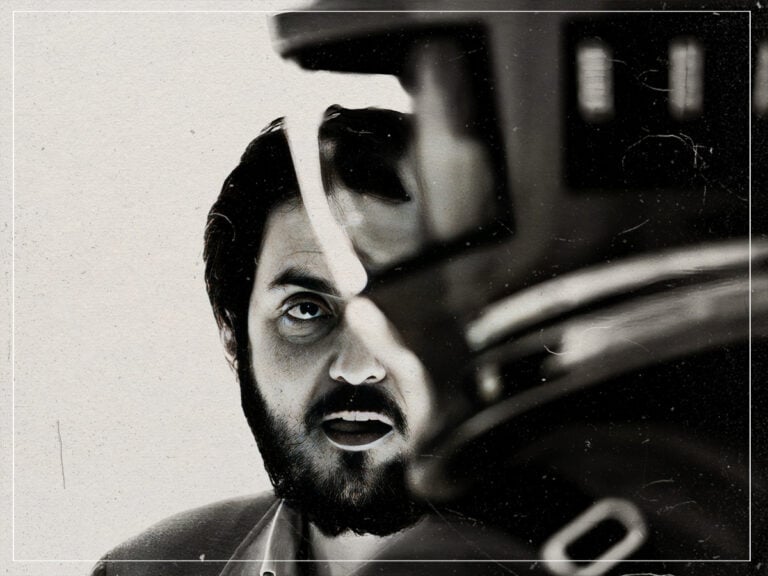

It wasn’t even down to a porno in the end; it was down to Stanley Kubrick’s A Clockwork Orange. The movie was exactly the kind of thing the venue loved to show – something wild, violent, controversial and banned.
At the time, the Kubrick flick had been pulled from UK distribution, but the team behind Scala managed to get a tape and decided to play it. “We all knew it was not supposed to be shown,” the cinema’s projectionist, Jeremy Cusans, said, “Anyone who worked in the film business knew that. Nevertheless we made a conscious decision to screen it . . . we knew what we were doing.” But it wasn’t the law that came after them; it was randomly Kubrick himself.
Warner Bros, which owned the copyright of the film, sued the cinema, apparently at the director’s insistence. Unable to afford the legal fees of going up against a major studio, the cinema went bankrupt and had to close in 1993.
And so that’s the story of how Kubrick shut down London’s most influential cinema – add it to the list of reasons why he was a villain.
