


‘Life, and nothing more…’: The greatest film-within-a-film in cinema history

Abbas Kiarostami is a true master of cinema, with a poetic and sentimental style that can be universally translated to touch audiences from all over the world. His stories are simplistic yet incredibly profound, shot in a stripped-back and naturalistic way that often highlights the beauty of the world and our connection to the communities around us.
Through watching his work, we find ourselves being reconnected to the simple pleasures of the world and the meaning of life itself, no matter how evasive it may seem. Kiarostami encourages us to always see the wider picture and get in touch with the essence of humanity, restore our faith in people, kindness and our duty to help others the best we can, combining together in one joint effort to make the world a more compassionate place.
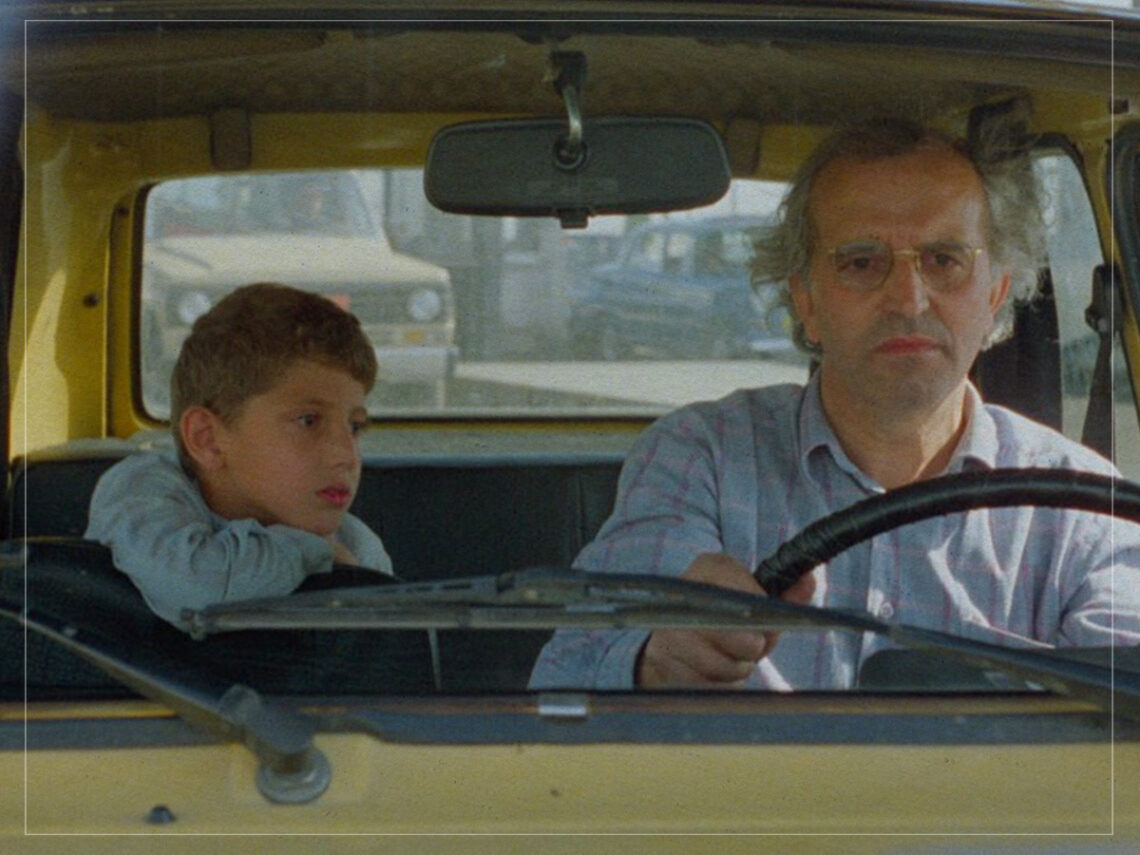
But as well as this, there is a recurring meta-textual undercurrent in Kiarostami’s work, something that it is particularly prevalent in films like Close Up and Life, and Nothing More…., with both films existing as a film within a film that also includes the director as a character in the story. While Close Up might be better known, Life, and Nothing More… is a beautiful representation of what happens when the meta-textual meets the personal, creating a captivating film about people trying to move on in the wake of a tragedy and a director who is trying to find a little boy he worked with on his last film, worried that he has been hurt by this tragedy.
Where is the Friends House? was directed by Kiarostami in 1987, following a young boy who accidentally takes his friend’s notebook home from school and is determined to return it to him in order to prevent him from being told off by their teacher. It is a wonderful little allegory about the importance of kindness and the special qualities we have as children that are often destroyed as we grow up, encouraging adults to stay in touch with our younger selves and purest way of viewing the world.
While the story could end there, Kiarostami returned to the characters in his 1992 film Life, and Nothing More… which follows a director (presumed to be Kiarostami) as he returns to the town of Koker after an earthquake, trying to find the boy who starred in his earlier film, Where is the Friends House?, which was filmed in the same town.
It is very much an extension of the same themes explored in his earlier films, looking at kindness, compassion and the importance of community, curating a collection of tender and simplistic moments that show people sharing stories with each other and trying to make something awful a bit more bearable. But the film is most striking for the fact that we see characters from Where is the Friends House? Who crop up as themselves, breaking the illusion of filmmaking and the fourth wall by showing them in organic settings away from the story we associate them with.
Life, and Nothing More... is one of the more moving films-within-a-film out there, with a profound story about how true life and our duties to help one another actually exceeds the medium itself, with the director placing himself into the story to create a touching portrait of how stories can help us through dark times and the ultimate purpose of Kiarostami’s films , which is to reconnect us to life and the people around us.
