


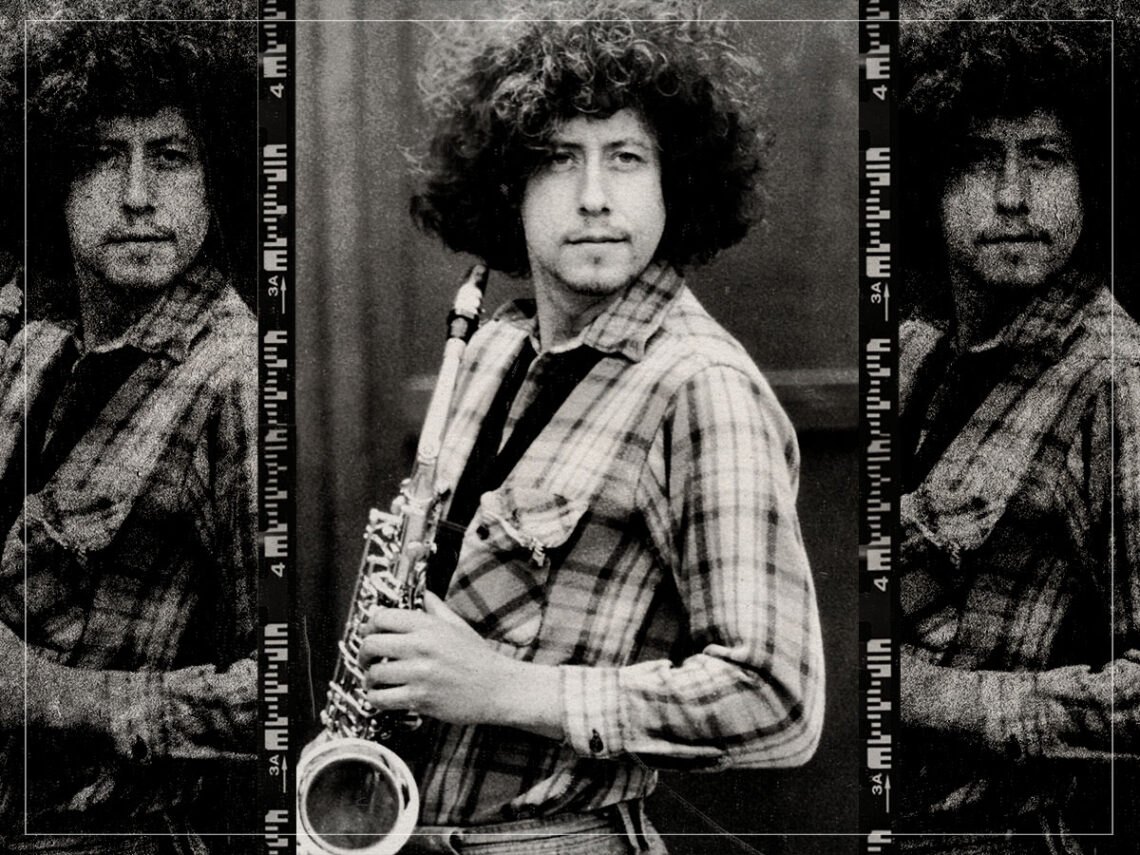
The strange legacy of Arlo Guthrie’s bizarre arrest: “People thought it was fiction”

A cold Thanksgiving night in 1965 is an unlikely setting for a life-changing event, but as the young folk singer Arlo Guthrie stood in the shadow of a deconsecrated church in Massachusetts, his pale features illuminated by the red and blue lights of a cop car, he could never have predicted that that particular evening would alter the course of his very existence.
Whether it was the seemingly endless drug busts of The Rolling Stones’ hedonistic heights, or the acid-riddled Jim Morrison being arrested onstage back in the summer of love, the musical realm is no stranger to police presence. In fact, there was never any shortage of authority figures across the United States who would have gladly seen Woody Guthrie locked up behind bars for his pioneering political folk.
Aside from a few minor arrests, though, Arlo’s father largely managed to evade being caught under the boot of any coppers. As an 18-year-old, however, Arlo Guthrie wasn’t quite so lucky. During a visit to friends, Alice and Ray Brock, for the Thanksgiving period, Guthrie’s belief in mutual aid prevailed when he offered to clear away all the waste and rubbish conjured up in the disused church that the Brocks lived in.
Unbeknownst to him, though, the local dump had shut up shop for the holidays, so, instead, Guthrie, along with his friend, Rick Robbins, decided to dump the waste on a bit of wasteland nearby to his old school. Pretty quickly, though, the local police were alerted to this mass of rubbish that had been dumped, and both Guthrie and Robbins were arrested.
Fly-tipping might fly in the face of the morals that Guthrie’s father must have taught him, particularly a respect for nature, but the young man’s crimes were hardly akin to murder. After a short court appearance, the two were let off with a fine and ordered to pick up whatever they had dumped. However, the legacy of that arrest lasted long after Guthrie had scraped enough funds together to pay the fine.
In the wake of the arrest, Guthrie penned the song ‘Alice’s Restaurant’, inspired both by the aforementioned Alice Brock, who had her own restaurant, and the entire saga surrounding his own arrest. “A lot of people thought it was fiction and this is all real stuff,” the songwriter later told NPR.
A crucial part of Guthrie’s blues-based storytelling revolved around what happened after the arrest, though. Namely, the young musician was called for the draft in 1966, bound for the jungles of Vietnam. When reporting to the draft office, though, Guthrie was asked if he had any criminal convictions, which, of course, he did, for littering.
Only adding to the bizarre nature of the entire saga, the now-legendary song spawned a feature film in 1969, directed by Arthur Penn and starring Guthrie as himself, along with the arresting officer, William Obanhein, and Judge Hannon, who had issued the songwriter with the fine, also – inexplicably – playing themselves on screen, too.
That fateful Thanksgiving night had, in essence, saved Arlo Guthrie from being sent to war and, to top it all off, it provided him with the songwriting inspiration for one of the greatest anti-war anthems of the 20th century, and spurred on the start of a career in film. In the end, then, that littering fine was pretty good value for money.
