


Merrion Centre: The Leeds shopping centre once home to the world’s first goth nightclub

If you’ve ever been shopping in Leeds, you’ve probably walked through the Merrion Centre. It’s pretty shit, to be honest, with a claustrophobic Morrisons, a few chain stores, and an overpriced vintage shop. Its only saving grace is Jumbo Records, one of Leeds’ finest indie record shops. Oh, and a Greggs.
Located in the heart of the city, the shopping centre is a pretty clinical place, although Leeds jazz trio Manchild recently penned an ode to it aptly called ‘Merrion Centre’. Its musical ties don’t end there, though. Next door to Jumbo is The Key Club, an alternative venue typically specialising in emo and metal. It’s got a pretty smelly reputation.
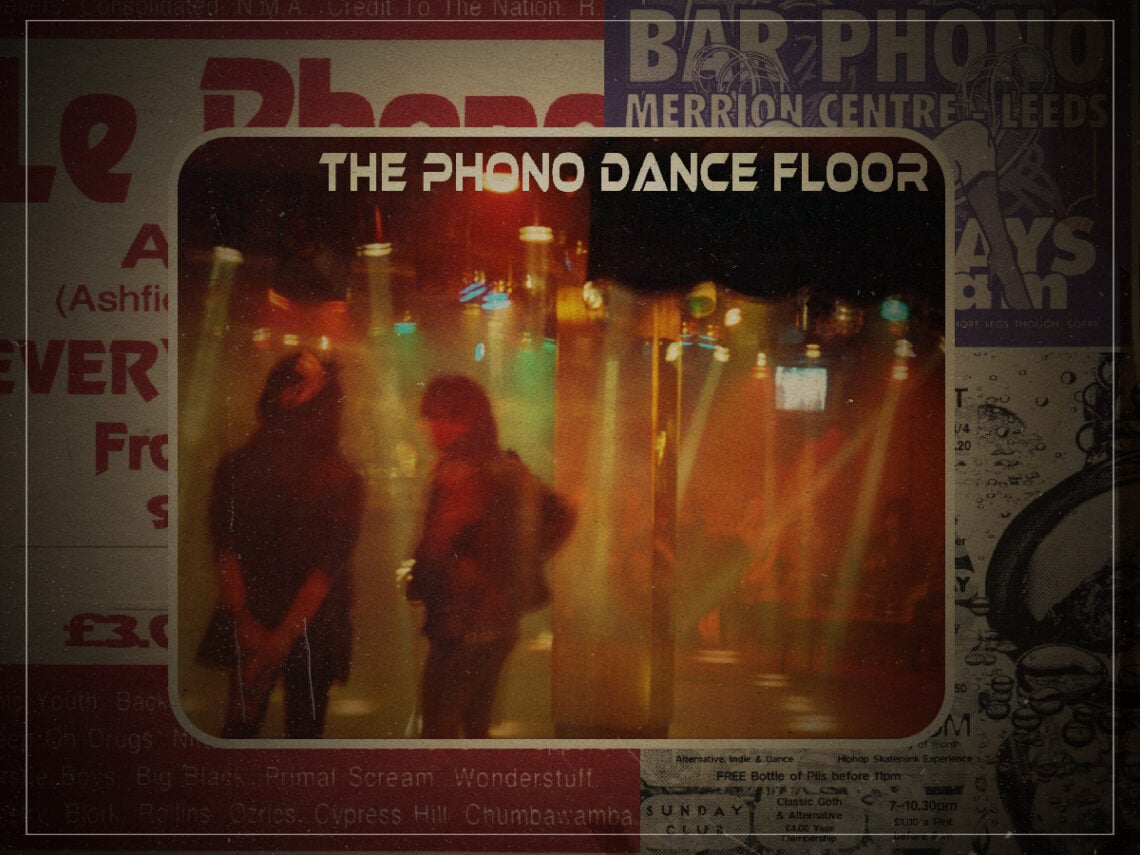
But even before Jumbo, before The Key Club, and before Manchild’s calming love letter to a place that is anything but, the Merrion Centre gave us the world’s first goth nightclub – before The Batcave was the go-to place for southern goths, up in Leeds, northern post-punk fans were increasingly turning their attention to bands with a darker edge, and they congregated in Le Phonographique, which was underneath the Merrion Centre.
The north proved to be a fertile breeding ground for goth, and Leeds established itself as its beating heart. With cold and gloomy weather and the looming threat of the Yorkshire Ripper in the air, the late 1970s saw young people retreat into this moody subculture, their sartorial style partly emerging from a lack of economic prosperity, giving them no choice but to buy whatever could be found in charity shops.
Leaning into the kinds of makeup and hair associated with horror movies and classic gothic literature, goths soon became a specific subculture that went beyond the realm of punk and post-punk that was also popular at the time.
With so many great bands emerging from Leeds during this period, like Gang of Four, Delta 5, and the Mekons, it was only a matter of time before the city gave birth to some pretty spectacular goth bands, too. Most notably, The Sisters of Mercy.
Several of the band’s members lived at 7 Village Place in Burley, with Gary Marx telling The Quietus, “The popular myth appears to be of Hunter S Thompson taking over Bruce Wayne’s Batcave, with high-tech excess being the order of the day. The curtains downstairs stayed closed at the front of the house all the time, which no doubt gave it the air of a drug den. The reality was that it was in a quiet street of about 20 houses and our neighbours – Jack and Nora – were people we got on with, amazingly given the racket they had to tolerate.”
Goth culture was clearly brewing in the city, so it was only fitting that it became host to the first goth nightclub, which was founded in 1979 and initially given the name the WigWam – it quickly proved to be a place for outsiders, with New Romantics and post-punk lovers attending club nights and gigs here… Before they knew it, they’d helped to form a new subculture, and it wasn’t long before the Phono, as it was affectionately called, was the centre of goth – a rich blend of dark guitars and flamboyant makeup.
It operated for many years, with Soft Cell’s Marc Almond often DJing, but all good things must come to an end, and after various ownership takeovers, it closed its doors in 2005. Now, it sits as a retail storage unit, a relic of a major countercultural moment and musical phenomenon that most people never knew existed right beneath their feet.
