


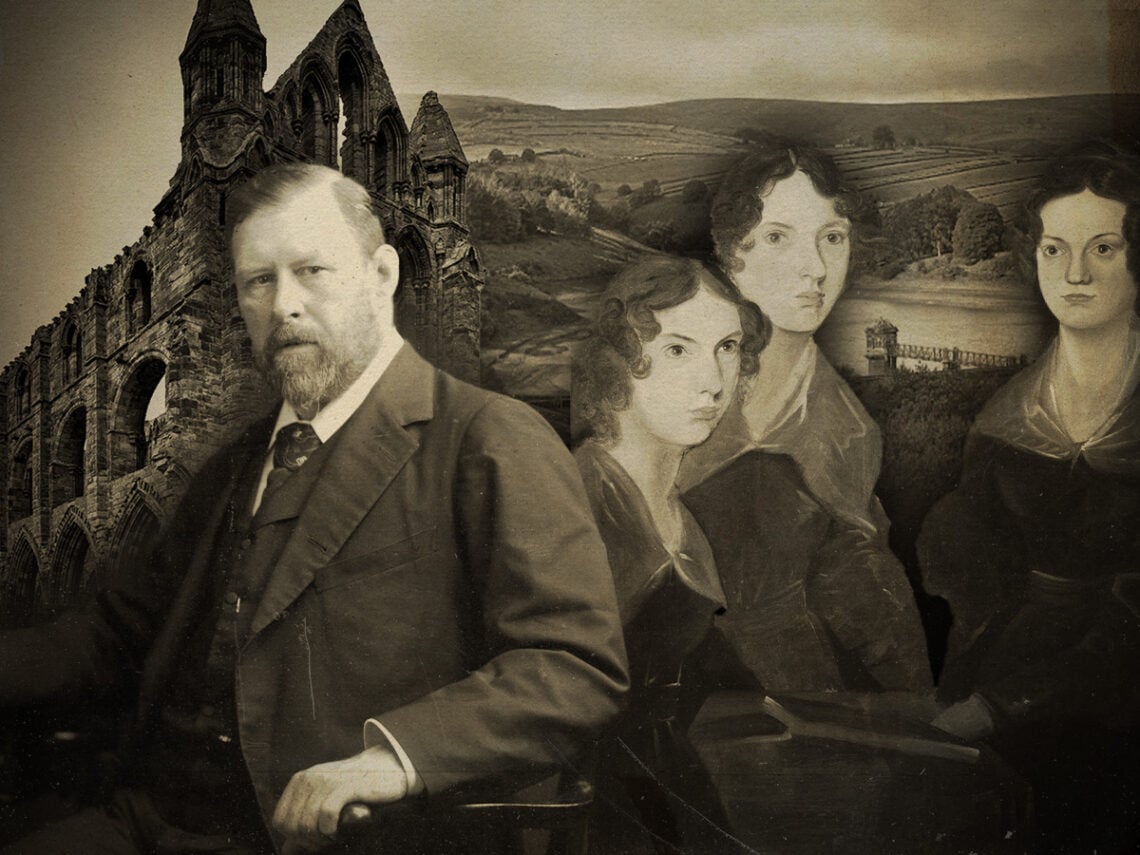
From ‘Dracula’ to ‘Wuthering Heights’: Why does Yorkshire have such a rich gothic history?

Yorkshire has long been wrapped up in gothic tradition, its wily, windy moors offering a fitting backdrop for tales of ghosts and mysterious goings-on, where, even in the spring, a trip to the picturesque locations of Haworth or Hebden Bridge, with their creepy trees and rocky crags, sends cold air circling around you.
The city of York is prime for ghost-hunters and those with a more general taste for the supernatural, with supposedly haunted buildings lining the cobbled streets, located near attractions like the York Dungeons, along ghostly walking tours, and shops profiting off the macabre, inviting those with a tendency for the grotesque.
As one of the oldest cities in the country, it’s rich with history, helping to further Yorkshire’s otherworldly reputation, yet it’s several smaller towns and villages that really unlock the secret to its proper gothic history, all thanks to several writers who took direct inspiration from the county and immortalised its gothic tendencies in beautiful prose.
In 1847, two classic works of literature were published by sisters Charlotte and Emily Brontë, both of whom were born in the Bradford village of Thornton before moving to Haworth, where they lived (and wrote) in the Parsonage, in the forms of Jane Eyre, with its suspense and mad woman in the attic trope, and Wuthering Heights, possessing a gloomy atmosphere, overarching theme of death, and ghostly motifs, which became prominent entries into the gothic canon. It’s no surprise that the sisters (not forgetting Anne, although her novels weren’t all that gothic) were inspired to tap into the darker side of the human experience, as their house overlooked a graveyard, and what could be more gothic than that?
You can see for yourself if you’ve ever visited Haworth, especially in the autumn and winter months, when it’s so cold, and the surrounding fields and moors have an evocative yet mysterious quality; just imagine what it was like in the 19th century: dark, gloomy, and totally removed from the outside world.
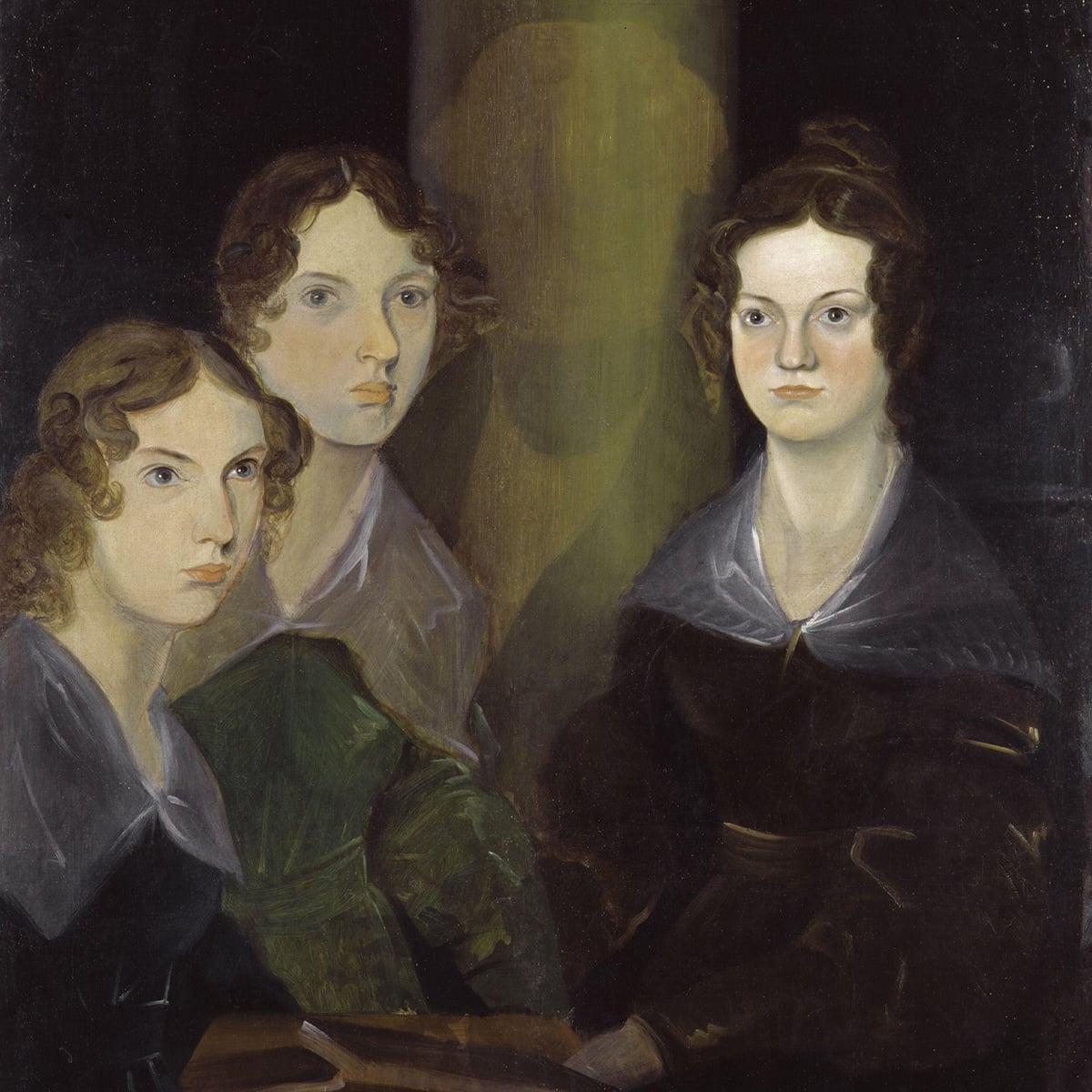
With a church at their doorstep and plenty of headstones lamenting the dead, the sisters were surrounded by death, including that of their own mother in 1821, so you can understand why their work emerged with such dark tendencies, and on the other end, by the coast in North Yorkshire, Irish writer Bram Stoker found Whitby to be the ultimate source of inspiration for his vampire novel Dracula, and it remains a popular place of pilgrimage for fans of the story decades later. Published in 1897, Stoker’s novel is the most famous vampire tale in the world, but it might not have been possible if he hadn’t found himself in the coastal town after a friend recommended its gothic charms.
Stories of dramatic shipwrecks inspired Stoker’s imagination, as he found himself drawn to Whitby Abbey, which overlooks views of the town below and the wide stretch of sea, a port to another, mysterious world, and this was the closest he was going to get to coming into contact with the kinds of castles and strange buildings that defined much gothic literature of the time.
Soon, he began writing, explicitly choosing Whitby as a location for the vampire to arrive in England, and the character even ascends the iconic 199 steps in disguise as a dog, heading towards the abbey and its perfectly gothic churchyard, and thus all of these elements raise the question of what about Yorkshire in particular makes it such fertile ground for all things gothic.
Even years later, it was Leeds that practically became the birthplace of the goth subculture, with the Merrion Centre’s Le Phonographique becoming the world’s first goth club, the city giving birth to bands like Sisters of Mercy, while countless young people donned dark clothing and immersed themselves in this alternative subculture as a reaction against the area’s widespread unemployment and disillusionment. Paired with the looming presence of the Yorkshire Ripper and the depressing Thatcherite government, the city became ripe with goths, although you can’t help but feel that there’s something in the Yorkshire air that has allowed such a strong sensibility of the subculture to flourish for centuries.
Perhaps it’s the fact that you’re never too far from some wide open expanses and rocky terrain that invite gusts of whistling winds, with the moors allowing you to get lost for miles without human contact. It’s always rainy and cold, making the perfect conditions for a gloomy novel or song, or mood, as well as the buildings that have stood for centuries, encased in history and supernatural stories, and the gothic ruins of local abbeys and castles.
When you see Whitby Abbey, even from a distance, you’ll quickly realise why Stoker was so captivated by the moody, atmospheric town. Its looming presence is staggering, almost as though it exists as an entity in and of itself. Meanwhile, a walk across the Yorkshire moors puts you straight in the mindset of a Brontë, isolated and on the brink of death with cold.
Even now, you can still soak up the gothic atmosphere of Yorkshire, no matter where you go, with enough windy, desolate graveyards and gloomy cobbled streets to fire up your imagination, just like those writers whose minds were set alight in the 1800s by the county’s magnificent and mysterious history.
