


The 1971 classic Don Henley called Led Zeppelin’s own ‘Hotel California’

If the 1960s marked the point at which artists began to experiment and tear down the conventions of rock and roll music, the 1970s were a period during which mainstream rock began to settle down and cement itself on AM radio.
It was the era of ‘classic rock’, a much-maligned term that is unassumingly broad in sound. Everything from the easy soft rock of the Eagles to the defiant hard rock of Led Zeppelin is equally at home under the umbrella of classic rock. And these disparate bands lived side by side on several major radio stations.
In many ways, Led Zeppelin and the Eagles represented opposite ends of the rock spectrum. On one hand, Zeppelin were at the forefront of the hard rock scene, pioneering a uniquely abrasive approach to rock which would go on to inspire the development of heavy metal and alternative rock.
Songwriter Jimmy Page existed in endless pursuit of rock perfection, penning some of the most complex and iconic rock riffs of all time in the process. On the other, the Eagles tended to favour simpler compositions with a more mainstream appeal. In many ways, Don Henley thought that this grounded the band.
“People talk about Jackson [Browne’s] lyrics, but they don’t seem to talk about ours.” the singing drummer once explained. “It’s not that they don’t look at us as good songwriters, but they just seem to emphasise the ones that were hits rather than the ones that weren’t. I think our songs have more to do with the streets than Bruce Springsteen’s.”

From their initial formation in 1971, songwriters Glenn Frey and Henley adopted a musical manifesto that was worlds apart from that of Jimmy Page and company. The most rebellious the Eagles ever got was incorporating elements of country music and folk into their sound. However, despite these obvious disparities in sound, the Venn diagram of Eagles and Led Zeppelin has a considerable overlap. Most obviously, these similarities lay within the respective group’s tendencies for inarguably strong songwriting.
The two biggest songs of the 1970s?
Take each of the band’s most renowned compositions, ‘Hotel California’ and ‘Stairway to Heaven’, for instance. On a surface level, these songs occupy vastly different spaces within the history of rock music, yet there are undeniable similarities between the two. Both quite long, complex compositions with a certain grandiose feeling to them, they each mark a departure from the usual sound of either the Eagles or Led Zeppelin, yet they both became the most popular tracks for each respective band.
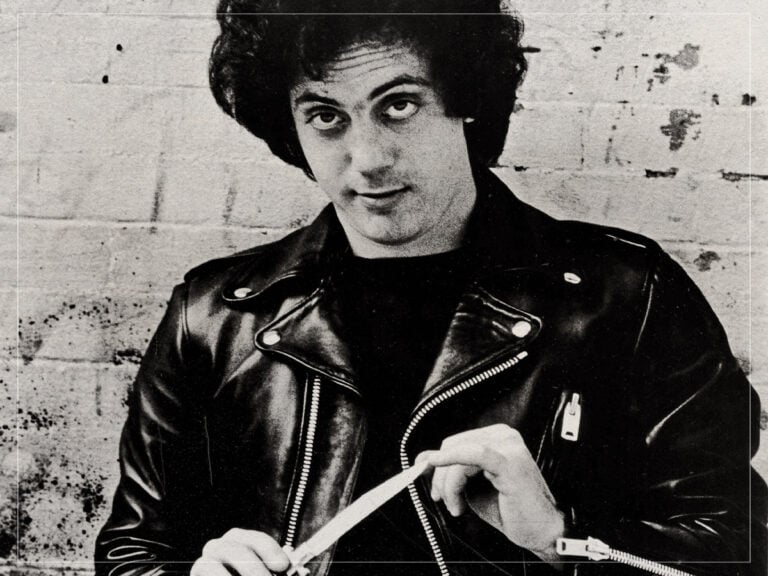

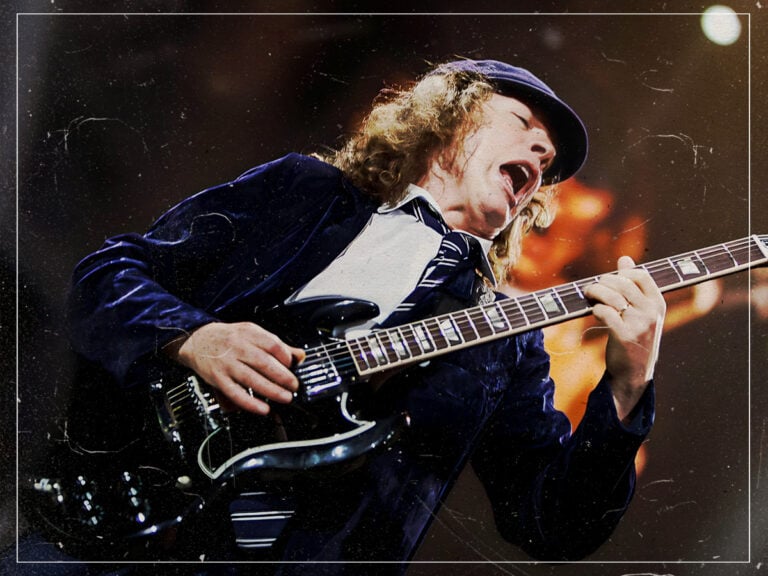
In many ways, the obfuscated nature of the lyrics in ‘Hotel California’ makes it the Eagles’ most poetic track, too. This is something that Led Zeppelin specialised in, with Robert Plant often relating his own experiences to a more Tolkien-like wonder. But even with that factor being a well-established norm of Led Zep, they really upped the ante with ‘Stairway to Heaven’.
What’s more, both songs represented the pinnacle of 1970s classic rock in their own ways, becoming two of the biggest songs of that decade in the process. Even with the differences in their inherent sound, theming, and performances, the tracks served to espouse the incredible diversity within the rock scene of that era – there was a song and a band for every mood, and things rarely got repetitive.
Adding legitimacy to this crossover between the two titans of classic rock, Don Henley himself compared ‘Hotel California’ to the legendary Zeppelin track, telling Rolling Stone, “[Hotel California] had the most impact of our studio albums. The song itself has become one of those songs like ‘Stairway to Heaven’ [laughs]. The album came out in December 1976. But it didn’t really make an impact on the radio until February of ’77.”
Within that quote, Henley mainly draws the parallels between the commercial successes of ‘Hotel California’ and ‘Stairway to Heaven’, but there had to be some pre-existing notion that these songs were tied together for Henley to connect those dots.
After all, those two songs were not the only two rock tracks to witness incredible commercial success during that period. No, the fact that Henley thought to compare those two songs would seem to suggest that there is something a little deeper between these two apparently disparate songs.
Although Led Zeppelin and The Eagles might have represented different ends of the classic rock spectrum, the music that brought these groups success, fame, and notoriety was not all that different, at least when stripped back to its bare bones. You only need to look towards the shared fanbase of the two groups to see that any apparent differences aren’t quite as substantial as originally thought. But which is better?

Never Miss A Beat
The Far Out Led Zeppelin Newsletter
All the latest stories about Led Zeppelin from the independent voice of culture.
Straight to your inbox.