


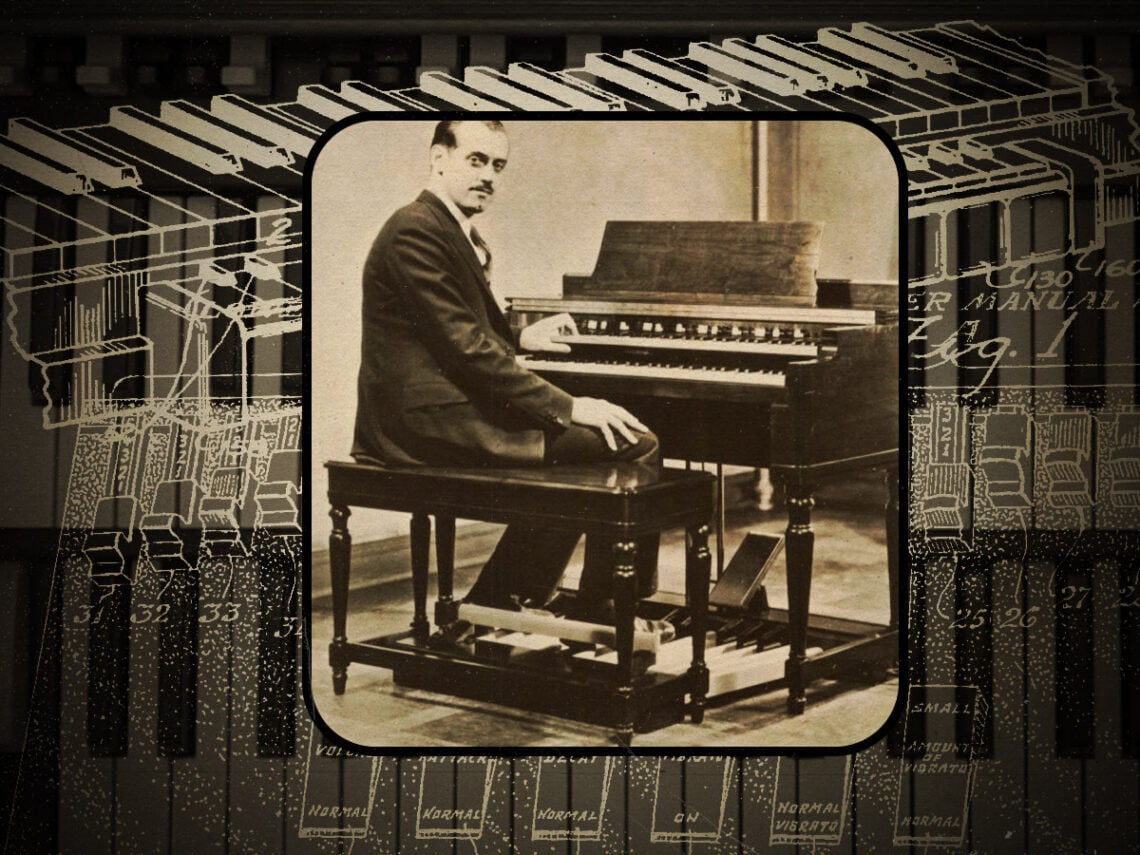
Laurens Hammond: The Tony Stark of early electronic music

Way back in the summer of 1936, when Franklin Roosevelt was still in his first term, a full-page advertisement appeared in the Diapason music magazine, which read: “Next Sunday, 390,000 people will hear the superb music of the Hammond.
“If you could drop in next Sunday at any one of 500 churches,” the ad continued, “You would understand why the Hammond Organ, within the short space of one year, has won an acceptance without parallel.”
We don’t tend to think of electronic music reaching the mainstream as far back as the Great Depression, nor would we presume that the first battleground between electro music adopters and acoustic purists would be in the churches of middle America, but so it was, thanks to an overlooked tech genius of the 20th century named Laurens Hammond.
In a rock ‘n’ roll context, the Hammond organ certainly isn’t an obscure piece of equipment. The B-3 and M-3 models, in particular, helped make classics out of Bob Dylan’s ‘Like a Rolling Stone’ and Booker T and the MGs ‘Green Onions’, among hundreds of other classics. However, several decades before it became part of the sound of ‘60s rock, the Hammond organ was an oft-derided instrument most often associated with small-town cinemas, funeral parlours, and most especially churches. Their purpose, as people understood it then, was to replace the unruly and highly complicated pipe organ, a swap-out which felt literally sacrilegious to some people.
Laurens Hammond, as the confident and flashy inventor of this new, comparatively affordable tone-wheel organ, was more than happy to set up big demonstrations to convince the public that his compact electric keyboard could match the booming sound of any old towering pipe organ, let alone the gasping, air-powered cottage organs people still had in their parlour rooms at home.
“We look for this type of instrument to have a market which, in normal times, would be as large as the piano market,” Hammond told the Chicago Tribune in 1935, “but due to the fact that this is a new market, and that there is an established demand for organs which has never been satisfied, the sales for the first several years may be very large.” As was usually the case, he wasn’t wrong.
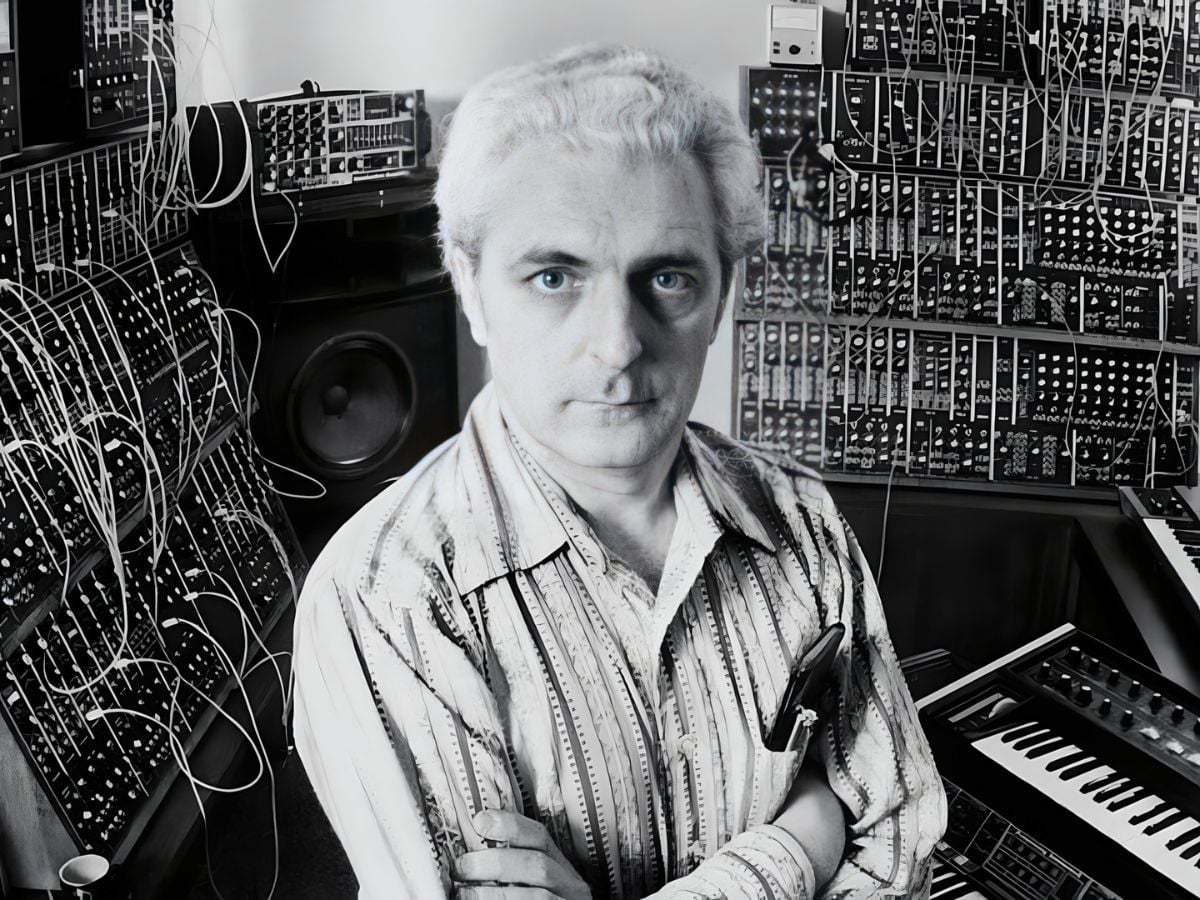
Born in Evanston, Illinois, in 1895, Hammond had been something of a teenage wiz kid, earning his first patent (for a low-cost barometer) while still in high school, and graduating with honours from Cornell University four years later. After serving in France during World War I, he got a job with a car manufacturer in Detroit and was soon devising new engineering concepts of his own.
His cabinet-full of patents would soon include everything from an early automatic transmission system to a prototype for 3D glasses, an automatic card-shuffling table, a new type of camera shutter, and various developments in ‘tick-fee’ clock mechanisms, which led to his founding of the Hammond Clock Company in Chicago, the precursor to the Hammond Organ Company.
Adapting the same synchronous motor used in his clocks, he introduced his first electronic organ in 1934. “Beyond the keyboard,” Popular Mechanics magazine reported at the time, “this organ bears virtually no resemblance to musical instruments of the past. Sound is produced, varied, swelled and modified electrically.”
The original Hammond organ quickly became a sensation in the late ‘30s, but Laurens Hammond was rarely, if ever, content, and by 1939, he’d introduced the world’s first commercially available polyphonic synthesiser as well, known as the Novachord; yes, a synthesiser was sold to the public 25 years before Robert Moog came along.
During World War II, Hammond really entered his Tony Stark period (or perhaps more accurately Tony’s dad Howard Stark), willingly turning over most of his Chicago factory production to the war effort, and personally inventing a new array of gadgets for the US military, including advanced automatic pilot controls and a “glide bomb control” that set the the standard for the modern-era guided missile.
Hammond was known to be an egotistical and difficult character to deal with at times, and his interests were far more about innovation than art. Still, by the time of his retirement in 1960, Hammond’s company was the dominant worldwide producer of electric organs and an essential part of the sound of popular music. It was a role the company would maintain until cheaper competition from East Asia and the emergence of new digital synthesisers dramatically changed the keyboard ecosystem in the late 1970s and 1980s.
