


Land of Oz: North Carolina’s strangest, once-abandoned theme park

Theme parks have been a staple of the tourism industry for decades, with the biggest attracting guests from across the world. These theme parks often go hand-in-hand with movies, tying in famous film franchises to create must-see destinations.
The likes of Universal Studios have created theme parks across a wide variety of their movies, with Harry Potter and Jurassic Park amongst the famous movies represented. Disney have locations across the planet, and even anime is represented, with Studio Ghibli’s Ghibli Park in Japan.
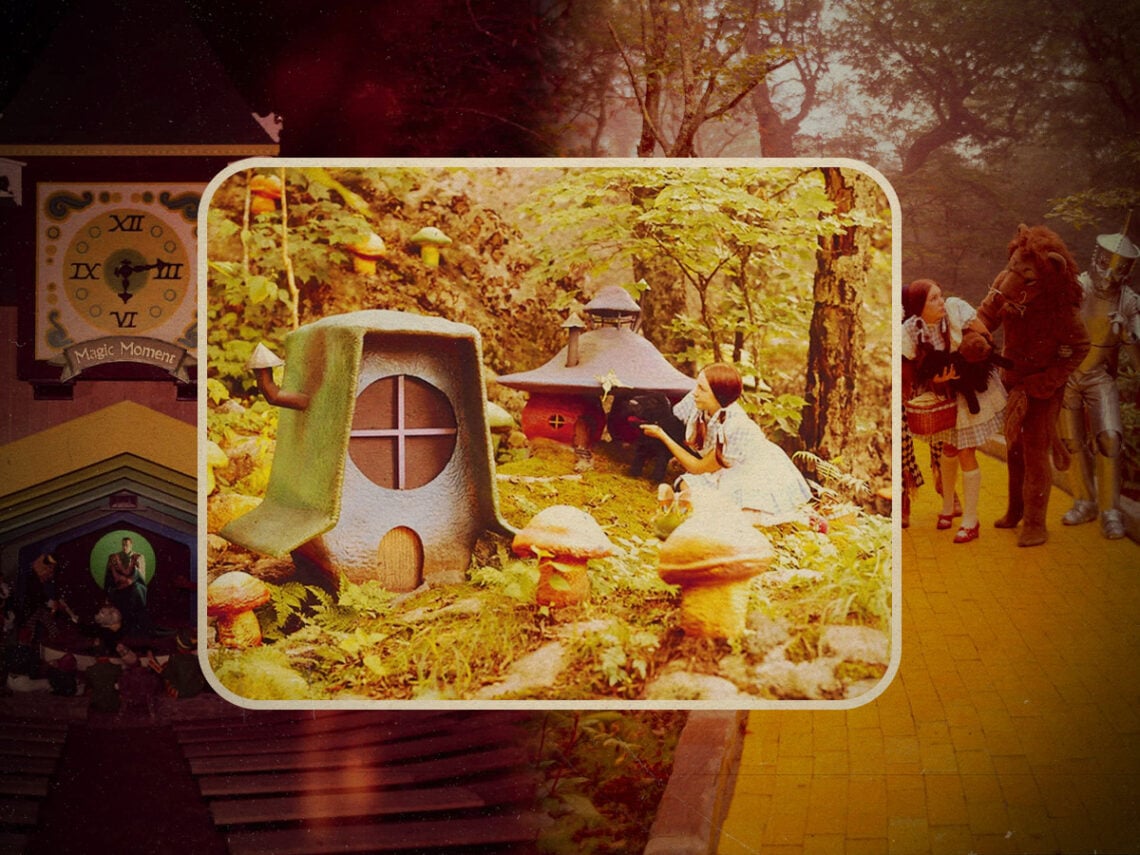
However, the childhood classic The Wizard of Oz is one of the weirdest cases in this regard, thanks to the once-abandoned Land of Oz in North Carolina, a theme park that has seen disaster first-hand, and is now intriguing a whole new generation, after being revived. It sits high in the Blue Ridge Mountains, looking over the state, and its story began in 1970, when developer Grover Robbins wanted to transport visitors into The Wizard of Oz and create an experience that was truly immersive.
He wasn’t interested in the developing trend of rollercoasters and machine-driven rides, and instead, this was about storytelling, due in part to the mountain, which looked much like the landscape in the movie, and nothing showcases his attitude more than the park’s Yellow Brick Road, which, much like the film, was uneven and wonky, as it twisted and turned through forests and overlooked the grand vistas from the mountainside.
What would today be a health and safety nightmare was an authentic, movie-like touch that was meant to make the park feel dream-like, with visitors beginning their experience in Dorothy’s farmhouse, painfully recreated from the original set in Kansas, a ‘normal’ building which then opened up into the bright, whimsical world from the movie, leading on a journey eventually culminating at the summit, which held the Emerald City.
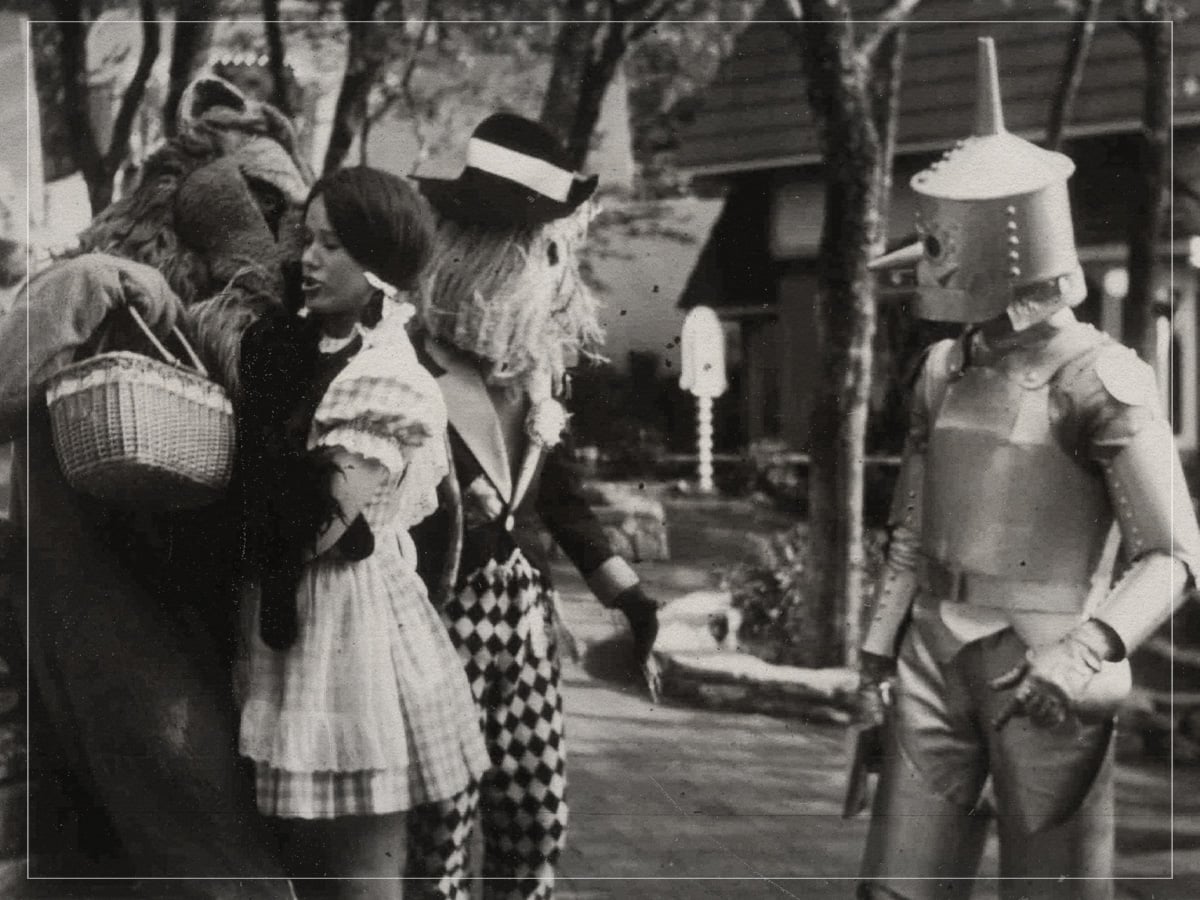
There were actors playing the main characters in the movie, interacting with visitors and pulling them into the film itself. In many ways, this was a theatrical performance, more than what we’d now think of as a theme park, and they’d also loaned some props from the original movie, including Dorothy’s famous blue dress.
However, after initial success, the park faltered, with leadership changes compounded by a devastating fire in 1975 that saw a number of buildings burned to the ground, including key parts of Emerald City. Dorothy’s blue dress also disappeared, never to be seen again, and was thought to be lost in the blaze.
The theme park limped on, but with visitor numbers dropping, it eventually closed its doors in 1980, and this is when its mythical status really was harnessed, as for over a decade, the remains of the park sat untouched on the North Carolina mountaintop, stuck as a moment in time; cracks appeared in the Yellow Brick Road, with weeds sprouting between bricks, and buildings were hit by the elements, impacting not just the structure but dulling the bright colours that defined them.
The word urban explorers might not have been born at this time, but curious locals and photographers ventured up through the thick forest to experience and capture this meeting of movie and nature. The gradual reclamation of the park fascinated people and turned it into a cult attraction, and then, in the mid-1990s, there were efforts to preserve and restore parts of the park. Buildings were stabilised, and the invading nature was, to a degree, kept in check, and while reopening the park in its original form wasn’t viable, over recent years it has had a second life, opening for seasonal events that evoke the park’s original storytelling ideology.
These events are few and far between, with only a couple of openings each year that lead to a rush for tickets, with scarcity driving the hype, to an event that has become a pilgrimage to both fans of the movie, lovers of vintage Americana, and urban explorers.
Land of Oz only existed in its original form for a short time, but with its focus on storytelling, beautiful setting and unique design, it has created a cultural legacy; in many ways, it was ahead of its time, yet it also feels very of-its-time. Up in those Blue Ridge Mountain it stands as a slice of Americana, a memory of a distant era and a tribute to one of the most lasting, important movies of a generation, and with its intertwining of storytelling, nature and nostalgia, it’s going to continue to be an enduring destination for decades to come.
