


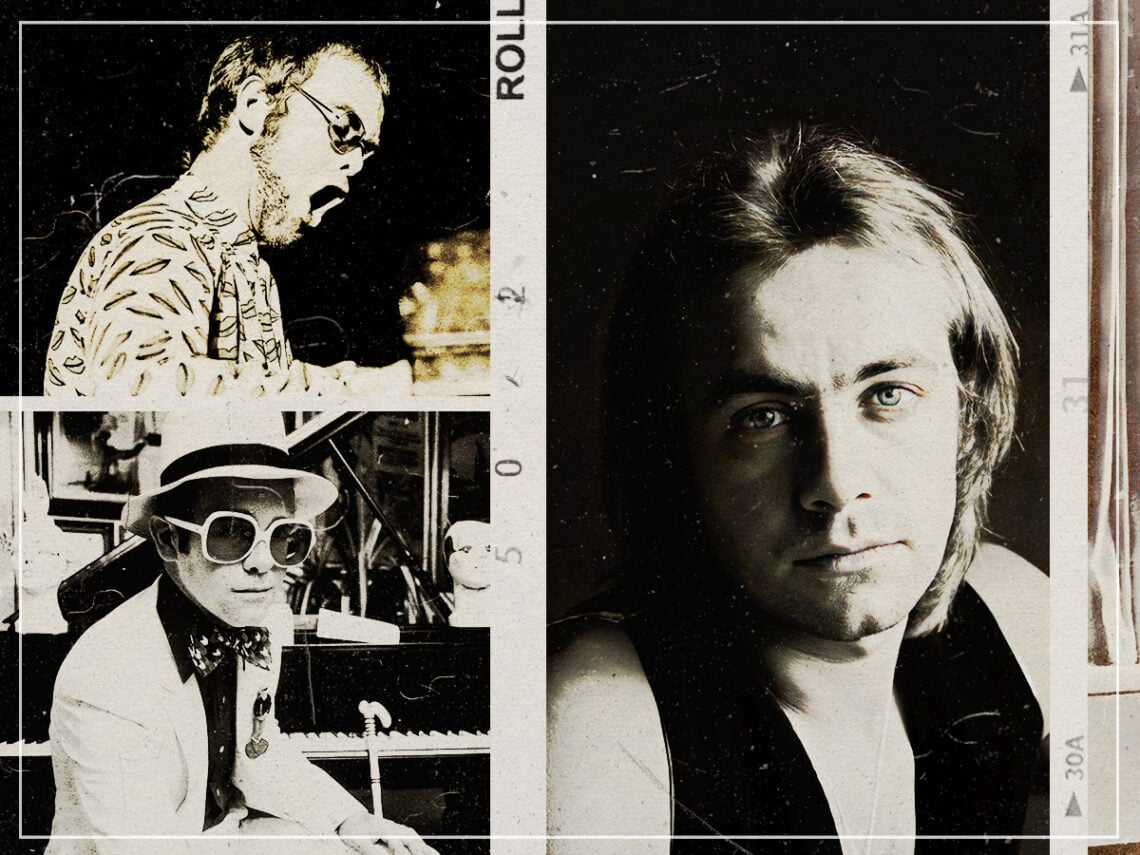
The horrific recording Bernie Taupin thought fuelled ‘Goodbye Yellow Brick Road’: “It was preordained”

Nothing can dull a musician on a hot streak. There might be some pitstops along the way, but if an artist is in their glory years, nothing can stop them from getting into the studio and churning out one classic track after another. All Elton John needed was some decent recording equipment to create his masterpieces, but Bernie Taupin believed that if they hadn’t nearly died while working in Jamaica, Goodbye Yellow Brick Road would have sounded completely different.
Before Elton John and Bernie Taupin reached the top of the food chain, they were well acquainted with life at the bottom. John became a singer out of necessity because no one else would take their material. However, when ‘Your Song’ climbed the charts, it marked the beginning of John’s slow but steady ascent to becoming one of the biggest singer-songwriters in the world.
Throughout albums like Madman Across the Water and Honky Chateau, the duo were slowly progressing into seasoned veterans, even getting praise from artists like Bob Dylan for their work. Getting that kind of compliment might not do anyone any favours in terms of their ego, but after trying to mix things up by going to Jamaica, Taupin remembered that everything was horrendous when they arrived.
Outside of the terrible recording conditions, Taupin thought he was in danger half the time he walked the street, telling Classic Albums, “There was barbed wire around the studio, guys with machine guns, people yelling obscenities at us in the street, there wasn’t one positive vibe in the place.”
By the time the group decided to leave early, they narrowly escaped with their lives as well, with John thinking that the group were going to be killed when they were being escorted to the airport. Once they returned to a studio where they could work comfortably in France, the songs started coming like clockwork, whistling through tracks like ‘Candle in the Wind’ and ‘Saturday’s Night Alright For Fighting’ with no real trouble at all.
It was a miracle that they got to that point, but Taupin felt that their experience in Jamaica probably gave them an incentive to make something better, saying, “In retrospect, maybe it was preordained for that to happen. We were so relieved to get out of there that it gave us a new lease on life and a new enthusiasm for writing because when we went to France, we wrote all those songs in about two weeks.”
There are even a few pieces of the album that feel like they’re breaking new ground that John had never tried before. Although ‘Funeral For a Friend’ has all of the melancholy feelings that probably came with going to Jamaica, the way it slams into ‘Love Lies Bleeding’ is like a ray of sunshine parting through the clouds after a storm.
More than anything, Goodbye Yellow Brick Road works so well because it actually sounds happy. There had been moody Elton John songs before and were bound to be plenty more after, but the whole reason why every track on the album works is because of how much the group was relieved not to have barbed wire around them while they tried to lay down a track.
